
A flat tire can turn a normal North York commute into a stressful stop on the shoulder, in a parking garage, or outside your driveway. Knowing what to do before you search for flat tire repair North York service helps protect you, your passengers, and your wheels. The priority is not getting back on the road as fast as possible. It is getting back on the road safely.
Stop Safely Before You Inspect the Tire
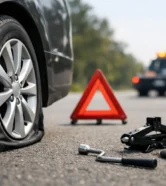
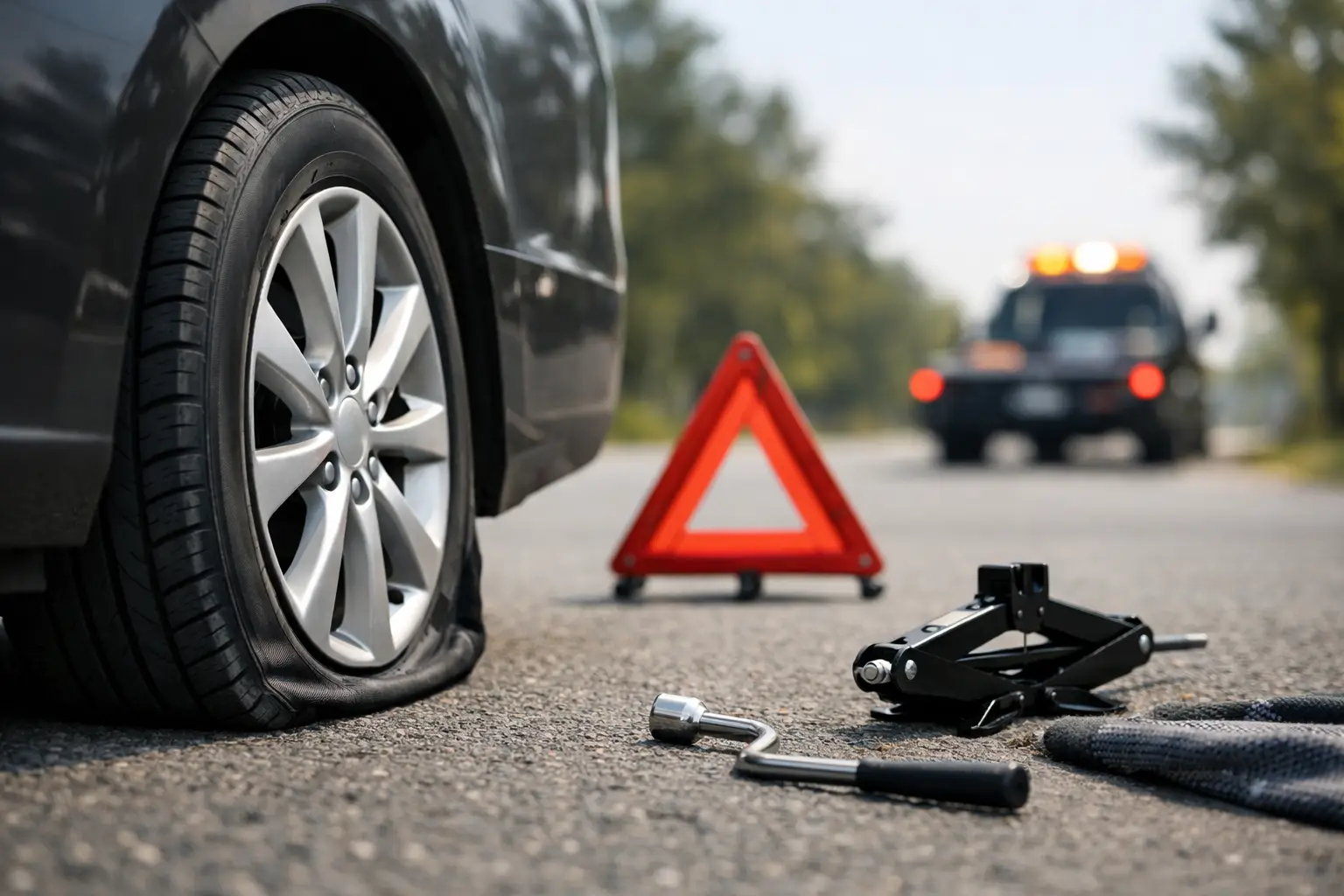
If you feel a sudden pull, hear repeated thumping, or see a tire-pressure warning light, ease off the accelerator and avoid sharp steering. Turn on your hazard lights, move to a safe and level location if possible, and keep clear of traffic. Driving even a short distance on a completely flat tire can damage the sidewall and the wheel, turning a repairable puncture into a replacement job.
Once parked, apply the parking brake and look at the tire without putting yourself in an unsafe position. A nail, screw, or other object may still be lodged in the tread. Leave it there. Pulling it out can release the remaining air quickly and make the situation harder to manage.
If you have a usable spare tire, the right tools, and a safe place to work, changing it can get you to a repair shop. Check the spare’s pressure first. Many compact temporary spares have a lower speed limit and are not designed for long trips, highway driving, or heavy loads. Treat one as a temporary solution, not a replacement for proper tire service.
When the tire is fully flat, the wheel is damaged, traffic is moving quickly, or conditions are poor, roadside assistance or a tow is the safer call. This is especially true on major roads, during winter weather, or when you are carrying children or cargo.
Can Flat Tire Repair in North York Save Your Tire?
Not every flat tire needs to be replaced. A qualified technician can often repair a tire when the puncture is small, located in the main tread area, and the tire has not been driven while severely underinflated. The repair process should include removing the tire from the wheel and inspecting the inside for hidden damage.
The location of the puncture matters as much as its size. The center tread area is usually the best candidate for repair. Damage near the shoulder or sidewall is more serious because these sections flex heavily while driving. A sidewall cut, bulge, split, or puncture is generally not safely repairable. The same applies when the inner liner shows signs of heat damage from being driven flat.
A proper repair is more than inserting an external plug from the outside. While a simple plug may seem convenient, it does not allow anyone to inspect the tire’s interior or properly seal the injury from the inside. Professional repairs typically use a combination patch and plug after the tire is removed, the puncture channel is prepared, and the interior is checked.
Tire age and tread condition also affect the answer. If the tire is close to the wear bars, has cracking, has multiple previous repairs, or has uneven wear from an alignment issue, replacement may offer better value and safer performance. A repair can cost less today, but it is not a smart bargain if the tire is already near the end of its service life.
What a Professional Tire Inspection Should Cover
A flat tire is often the visible symptom, not always the whole problem. During an inspection, a technician should confirm the source of the air loss and check the tire, wheel, and valve system for related concerns. That includes the tread area, sidewalls, bead seal, valve stem, wheel condition, and tire-pressure monitoring sensor when equipped.
Slow leaks can come from more than a nail. Corrosion around the wheel bead, a cracked wheel, a loose valve core, or a damaged valve stem can all let air escape over time. If the tire pressure warning light keeps returning after you add air, do not assume the sensor is faulty. The tire may have a slow leak that needs attention.
At JAK Tire Service Corp, the goal is clear answers before work begins. If your tire can be safely repaired, you should know why. If replacement is the safer choice, you should also understand what damage or wear made repair unsuitable. Straightforward advice makes it easier to choose the right service without unnecessary confusion.
When Tire Replacement Is the Safer Choice
Replacement is usually necessary when a puncture is outside the repairable tread area, the sidewall is damaged, or the tire has been driven flat long enough to weaken its internal structure. A tire can look acceptable from the outside while having crushed or cracked inner components. That is why an internal inspection matters.
For vehicles with all-wheel drive, replacing one damaged tire requires extra consideration. Significant differences in tread depth between tires can place added stress on the drivetrain. Depending on the vehicle manufacturer’s guidance and the wear on the remaining tires, you may need to replace more than one tire or use tread matching. This is a situation where the lowest immediate-cost option is not always the best long-term choice.
If a new tire is needed, match the size, load rating, speed rating, and seasonal use to your vehicle and driving habits. North York drivers who regularly travel through snow, slush, and freezing temperatures should not treat winter tires as an afterthought. The right tire choice improves traction, braking control, and confidence when conditions change.
Avoid These Flat Tire Mistakes
A few common decisions can make a minor puncture more expensive. Do not keep driving just because the car still moves. Do not rely on a tire inflator product as a permanent repair, either. Sealant may help in a limited emergency, but it can complicate later repairs and may affect tire-pressure monitoring components.
Avoid mixing tire sizes or installing a tire with a very different tread pattern unless a professional confirms it is appropriate for your vehicle. Also, do not ignore a vibration after a tire repair or replacement. It may point to a wheel-balance concern, wheel damage, or another issue that deserves inspection.
Finally, check your tire pressure after a repair and again over the next few days. A repaired tire should hold air normally. If the pressure drops, return for an inspection rather than repeatedly topping it up.
Prevent the Next Tire Emergency
Most flats cannot be predicted, but regular tire checks reduce the chance that a small problem leaves you stranded. Check pressure at least once a month when tires are cold, and use the pressure listed on the driver’s door placard rather than the maximum pressure printed on the tire sidewall. Pressure changes with temperature, which is especially noticeable through GTA seasonal swings.
Look over your tires for embedded debris, cuts, cracks, and uneven tread wear. Uneven wear can signal that your tires need rotation, your wheels need alignment, or worn suspension components are affecting how the vehicle contacts the road. Keeping tires properly inflated and aligned also helps them last longer and supports more predictable braking and handling.
A flat tire is never convenient, but the right response can keep a small puncture from becoming a bigger repair. When something feels wrong behind the wheel, slow down, stop safely, and let a proper inspection guide the next step.