

Your front tires do more than roll. They handle most of the steering and much of the braking load, so they commonly wear faster than the rear pair. That is why the answer to how often rotate tires matters: regular rotation helps all four tires wear more evenly, maintain predictable grip, and last closer to their intended service life.
For most drivers, tire rotation is a straightforward preventive service with real value. It can help you avoid replacing two tires early while the other two still have usable tread. It also gives a technician an opportunity to spot uneven wear, low tire pressure, alignment concerns, or suspension issues before they become larger repair bills.
How Often Should You Rotate Tires?
A reliable general schedule is every 5,000 to 7,500 miles, or about every six months for drivers who do not reach that mileage quickly. For many vehicles, pairing tire rotation with a regular oil change makes the schedule easier to remember.
Your owner’s manual is the best starting point because manufacturers may recommend a specific interval or pattern for your vehicle. If the manual calls for rotation at 5,000 miles, follow that recommendation even if the tires still look fine. Tread can wear unevenly long before the difference is obvious at a glance.
Drivers who put on miles quickly should pay particular attention. Commuters, rideshare drivers, delivery drivers, fleet vehicles, SUVs, and pickup trucks can go through tires faster because of frequent braking, highway driving, heavier loads, and stop-and-go traffic. In those cases, rotating closer to every 5,000 miles is often the smarter choice.
Why Rotation Makes Such a Difference
Every tire works under different conditions. On a front-wheel-drive vehicle, the front tires provide power to the road while also handling steering and much of the braking force. They can wear noticeably faster than the rear tires. On rear-wheel-drive and all-wheel-drive vehicles, wear may be more balanced, but it is rarely perfectly equal.
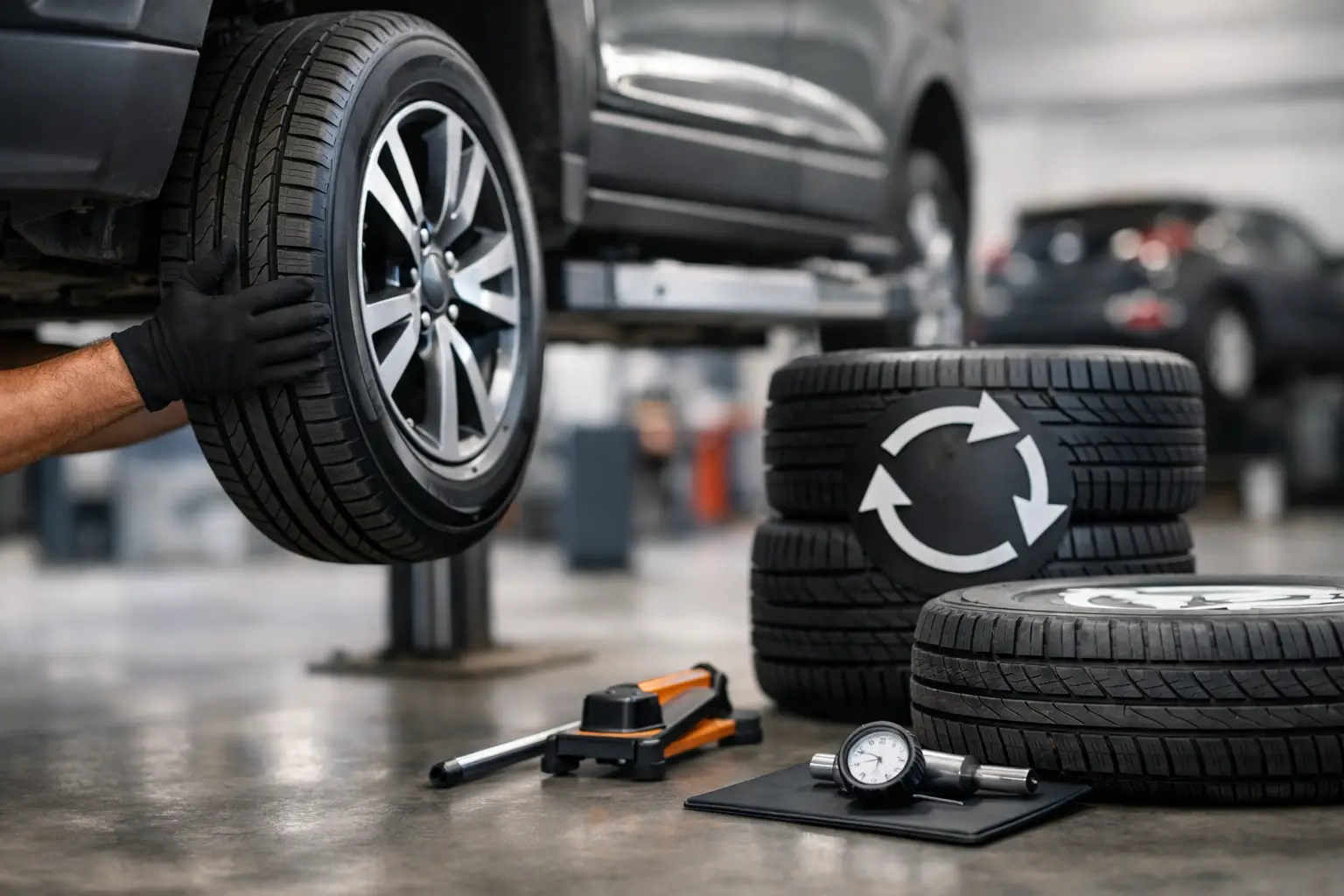
Rotation moves tires to different positions so each one shares those demands over time. The result is more even tread depth across the set. Even tread helps your vehicle brake, corner, and handle wet roads more consistently.
It can also protect your budget. Replacing a full matching set is usually more predictable than being forced to replace only the worn pair early. For all-wheel-drive vehicles, keeping tread depths close is especially important. A major difference in tire circumference can place extra strain on drivetrain components, depending on the vehicle manufacturer’s limits.
Rotate Tires Sooner If You Notice These Signs
Mileage is useful, but your tires may need attention before the scheduled interval. If the vehicle pulls to one side, the steering wheel is off-center, or you feel a new vibration at highway speed, schedule an inspection. Rotation may be part of the solution, but these symptoms can also point to wheel balance, alignment, tire damage, or suspension wear.
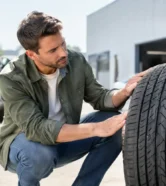
Look at the tread every month or two, especially before a road trip or a season of wet weather. Wear concentrated on one edge can suggest an alignment issue. Cupping or scalloped wear can indicate a worn suspension component, imbalance, or other mechanical concern. Excessive wear in the center of the tread can come from overinflation, while worn outer edges may be related to underinflation.
A tire rotation does not correct these problems by itself. It can reveal them early, which is the real benefit. Continuing to rotate tires with an unresolved alignment or suspension issue may simply move the uneven wear to another corner of the vehicle.
The Right Rotation Pattern Depends on Your Tires
There is no one rotation pattern that fits every car. A professional technician checks the tire type, wheel setup, drivetrain, and tire condition before moving anything. Using the wrong pattern can affect handling or violate tire manufacturer guidance.
Many vehicles with four same-size, non-directional tires use a cross pattern. On a front-wheel-drive vehicle, the front tires may move straight back while the rear tires cross to the front. On a rear-wheel-drive vehicle, the rear tires may move straight forward while the front tires cross to the rear. These patterns help distribute the different forces experienced at each position.
Directional tires are designed to roll in one specific direction, often to improve water evacuation. They generally move from front to rear on the same side only, unless the tires are removed from the wheels and remounted. You can often identify directional tires by an arrow on the sidewall marked “Rotation.”
Staggered setups are another exception. Some performance cars have wider rear tires than front tires, so front-to-rear rotation may not be possible. In some cases, tires can only move side to side, and in others, no standard rotation is recommended. The owner’s manual and tire specifications should guide the decision.
Tire Rotation for AWD, EVs, Trucks, and SUVs
All-wheel-drive vehicles deserve consistent rotation because their systems work best when tires have similar tread depth. Avoid waiting until the front and rear tires show a large difference in wear. Regular rotations can reduce the chance of needing to replace all four tires when only one or two are damaged or worn.
Electric vehicles often need closer attention as well. Their battery weight and instant torque can accelerate tire wear, particularly on the drive axle. Some EV tire manufacturers recommend rotation intervals around 5,000 miles. Check the vehicle manual rather than assuming a conventional schedule applies.
Truck and SUV owners should consider how the vehicle is used. Carrying tools, hauling equipment, towing, or regularly driving with a full cabin changes the load on the tires. More weight can speed up wear and make proper inflation even more critical. Rotate on schedule, but also confirm tire pressures when tires are cold and use the pressure listed on the driver’s door placard, not the maximum pressure printed on the tire sidewall.
Rotation Is Also a Good Time for a Safety Check
A proper tire service is more than moving wheels from one corner to another. The tires should be inspected for punctures, sidewall damage, cracking, embedded objects, and abnormal tread wear. Tread depth should be measured across each tire, not guessed from the outer edge alone.
This appointment is also a sensible time to check wheel balance and alignment when symptoms or wear patterns call for it. Balancing addresses vibration caused by uneven weight distribution around the wheel and tire assembly. Alignment adjusts wheel angles so the tires meet the road correctly. They are different services, but both can have a major effect on tire life and driving comfort.
Do not assume a vehicle needs an alignment every time tires are rotated. If the car drives straight, the steering wheel is centered, and the tread is wearing evenly, an alignment may not be necessary. Honest maintenance means recommending it when inspection findings support it, not adding services without a clear reason.
Can You Rotate Tires Yourself?
You can, provided you have the correct tools, safe lifting points, properly rated jack stands, a torque wrench, and confidence in the required pattern. The lug nuts must be tightened to the vehicle manufacturer’s torque specification, and tire pressure monitoring system procedures may apply on some vehicles.
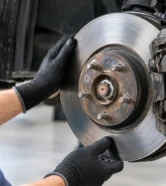
For many drivers, professional rotation is the safer and more convenient option. A shop can inspect the brakes, tire condition, and suspension components while the wheels are off. At JAK Tire Service, the goal is simple: clear answers, precise work, and a rotation plan that fits your vehicle rather than a one-size-fits-all recommendation.
The easiest way to stay ahead of tire wear is to put rotation on your maintenance calendar now. When every tire gets its fair share of the work, your vehicle is better prepared for the miles, weather, and everyday stops that come next.