

A steering wheel that suddenly sits crooked on your commute is more than an annoyance. It can be one of the clearest signs car needs alignment, especially if the vehicle also drifts, feels unsettled, or starts wearing out tires faster than expected. Proper wheel alignment helps your tires meet the road at the intended angles, supporting predictable handling, even tire wear, and safer braking.
Alignment problems do not always appear after a major accident. A sharp pothole, curb strike, worn suspension part, or repeated driving on rough roads can gradually move alignment angles out of specification. Catching the problem early can help prevent a small adjustment from becoming an expensive tire or suspension repair.
What wheel alignment actually affects
Wheel alignment is the adjustment of the angles and direction of your wheels according to the vehicle manufacturer’s specifications. Technicians measure settings such as toe, camber, and caster. Those terms may sound technical, but their purpose is simple: keep the tires rolling straight, maintain stable steering, and make sure the tread wears as evenly as possible.
Alignment is different from tire balancing. Balancing corrects an uneven distribution of weight in the tire and wheel assembly, which commonly causes vibration at certain speeds. Alignment corrects where the wheels point and how they sit on the road. A vehicle can need one service, the other, or both.
9 signs car needs alignment
1. The vehicle pulls to one side
On a level, low-traffic road, briefly relax your grip while remaining ready to steer. If your vehicle consistently moves left or right instead of tracking straight, have it checked. A pull can point to alignment, but it can also result from uneven tire pressure, a tire defect, brake drag, or a road surface that slopes for drainage.
Check tire pressures first, using the pressure listed on the driver’s door placard rather than the maximum pressure printed on the tire. If the pull remains, a professional inspection is the smart next step.
2. Your steering wheel is off-center
When you are driving straight, the top of the steering wheel should generally sit centered. If it is noticeably angled left or right, the front wheels may not be pointing straight ahead together. This often happens after an alignment has shifted from an impact or after steering and suspension work.
An off-center wheel can make drivers unconsciously correct their path all the time. It is worth fixing even if the vehicle does not feel like it is pulling hard.
3. Tire tread is wearing unevenly
Uneven tread wear is among the most costly signs of an alignment issue. Look across the face of each tire for one inner or outer edge that is wearing down more quickly than the rest. Feathering, where the tread feels smooth in one direction and sharp in the other, can also indicate an incorrect toe setting.
Uneven wear does not automatically mean alignment is the only cause. Underinflation, overinflation, missed tire rotations, aggressive driving, and worn suspension components can all affect tread life. Still, an alignment inspection should be part of the diagnosis before replacing tires.
4. The steering feels loose or unstable
A vehicle with proper alignment should feel composed and predictable at highway speed. If the steering feels vague, wanders within the lane, or requires constant small corrections, something needs attention. Alignment may be involved, but loose tie rods, worn ball joints, damaged control arm bushings, or other suspension issues can create similar symptoms.
Because these parts affect your ability to control the vehicle, do not wait for a routine oil change if the steering suddenly feels different. A qualified technician should inspect it promptly.
5. The vehicle shakes at speed
Steering wheel vibration is more commonly tied to wheel balance, a bent wheel, or a damaged tire than to alignment alone. But if shaking appears alongside pulling, an off-center wheel, or uneven tread wear, an alignment and tire inspection makes sense.
Pay attention to when the vibration happens. A shake that begins around a particular speed often suggests a balance concern. Vibration that appears only during braking may indicate brake rotor or suspension concerns. Clear details help technicians identify the real cause without unnecessary repairs.
6. You hit a pothole, curb, or road debris
A single hard impact can knock alignment out of specification, particularly on low-profile tires and vehicles with sensitive suspension geometry. You may not notice a change immediately. The vehicle can still drive reasonably well while beginning to wear one tire edge much faster than the others.
After a hard pothole hit or curb contact, inspect the tire sidewall for bulges, cuts, or loss of air. If you notice damage, vibration, pulling, or a change in steering feel, schedule an inspection right away.
7. The tires squeal during ordinary turns
Tire noise can happen for many reasons, including cold weather, wet pavement, worn tread, and spirited driving. But repeated squealing in normal, moderate turns may mean the tires are being scrubbed across the pavement rather than rolling cleanly through the corner.
Incorrect alignment can contribute to this scrubbing. A technician can check alignment readings while also looking for worn suspension components that may be allowing wheel angles to change while driving.
8. You recently replaced suspension or steering parts
Replacing struts, shocks, tie rods, ball joints, control arms, springs, or other steering and suspension parts can change alignment angles. Even if the vehicle seems normal after the repair, an alignment is often needed to set those angles accurately.
This is not an unnecessary add-on. Skipping the alignment can shorten the life of new tires and reduce the benefit of the repair work you just paid for. Ask whether alignment is recommended whenever suspension or steering components are serviced.
9. Your vehicle no longer feels confident in turns
A delayed response when turning, a tendency to drift wide, or a feeling that the vehicle is not settled after a curve can signal an alignment or suspension problem. These symptoms deserve attention, particularly for SUVs, trucks, loaded work vehicles, and vehicles that tow.
Alignment settings vary by manufacturer and model. More is not always better. The goal is not to make every vehicle feel extremely sharp, but to restore the handling and tire contact intended for that specific vehicle.
What causes wheels to go out of alignment?
Daily driving is enough to gradually affect alignment, especially where roads are rough. Potholes, curbs, construction zones, and debris can all create an abrupt change. Worn or bent suspension components are another common cause, and they must be repaired before an alignment can hold.
Tire replacement itself does not always require alignment, but new tires make existing uneven wear more obvious. It is wise to check alignment when investing in a new set, particularly if the old tires wore unevenly or if the vehicle has recently hit something hard.
For fleet, delivery, and rideshare vehicles, frequent mileage and heavily loaded driving can accelerate tire wear. Regular inspections help catch a developing problem before it takes a tire out of service early.
When should you schedule an alignment check?
There is no single mileage interval that fits every driver. Many vehicle owners benefit from an alignment check about once a year, when installing new tires, after significant impacts, or whenever steering and tire-wear symptoms appear. Your owner’s manual may also provide a recommended inspection schedule.
Do not rely only on visual checks. Modern alignment equipment measures angles far more precisely than the eye can detect. At JAK Tire Service in North York, professional technicians can inspect tire condition, steering, suspension, and alignment readings together, then explain what the vehicle needs clearly before work begins.
What happens during a professional wheel alignment?
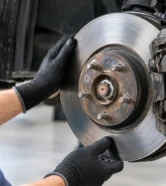
A proper alignment starts with an inspection. Tires are checked for pressure, damage, and unusual wear. The technician also looks for loose, worn, or damaged steering and suspension components. Aligning a vehicle with failed parts would only provide a temporary result.
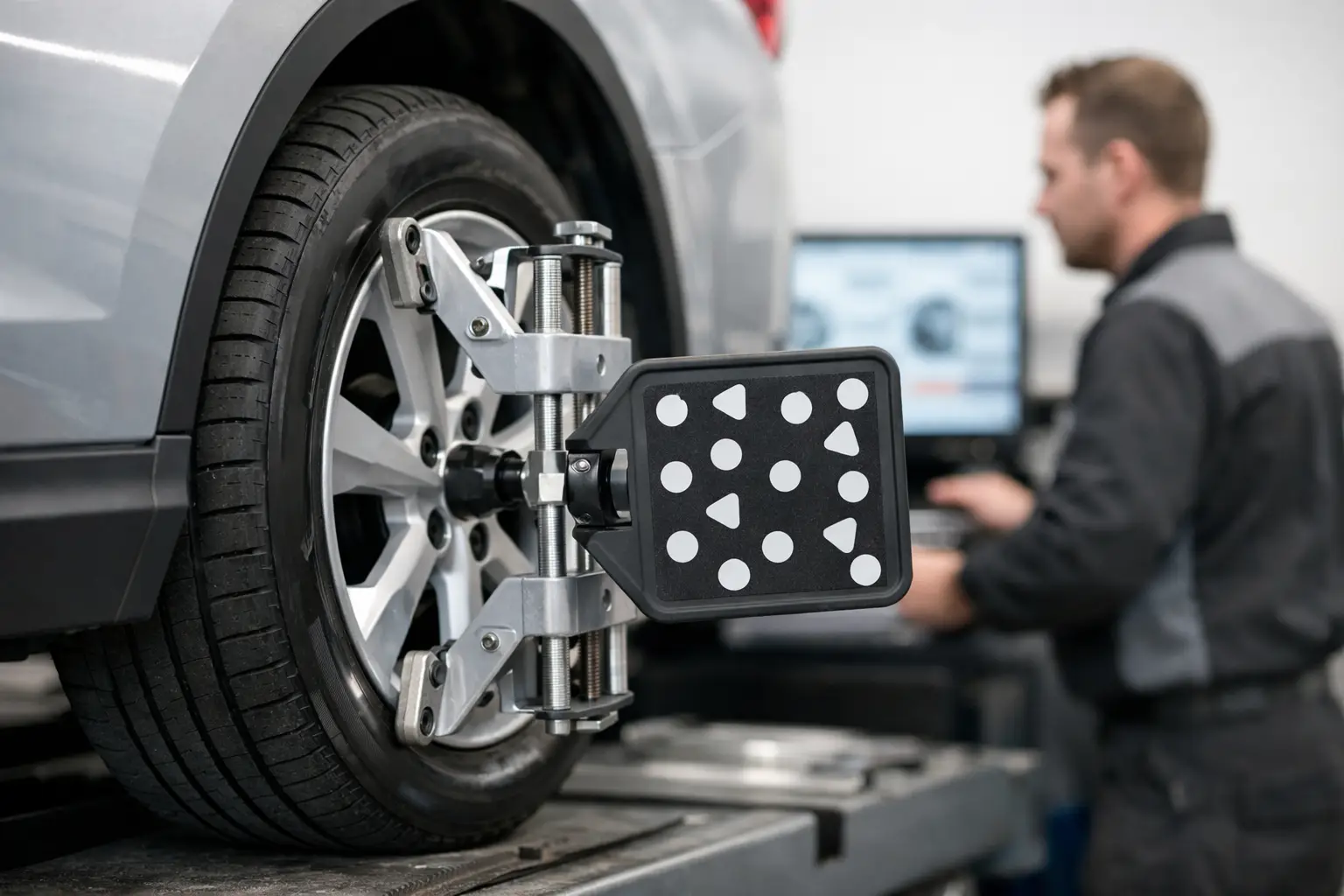
If the vehicle is ready for alignment, sensors measure the current wheel angles and compare them with manufacturer specifications. The technician makes the available adjustments, centers the steering wheel, and verifies final readings. Some vehicles have only front adjustments, while others allow adjustments at both the front and rear. If an angle cannot be adjusted because a part is bent, seized, or worn, the technician should explain that clearly and provide repair options.
Prompt attention protects more than your tires. If your vehicle starts pulling, your steering wheel is off-center, or the tread is wearing unevenly, arrange an inspection before the next long drive. A precise alignment can restore a smoother, steadier ride and help you get the full life from the tires beneath you.