

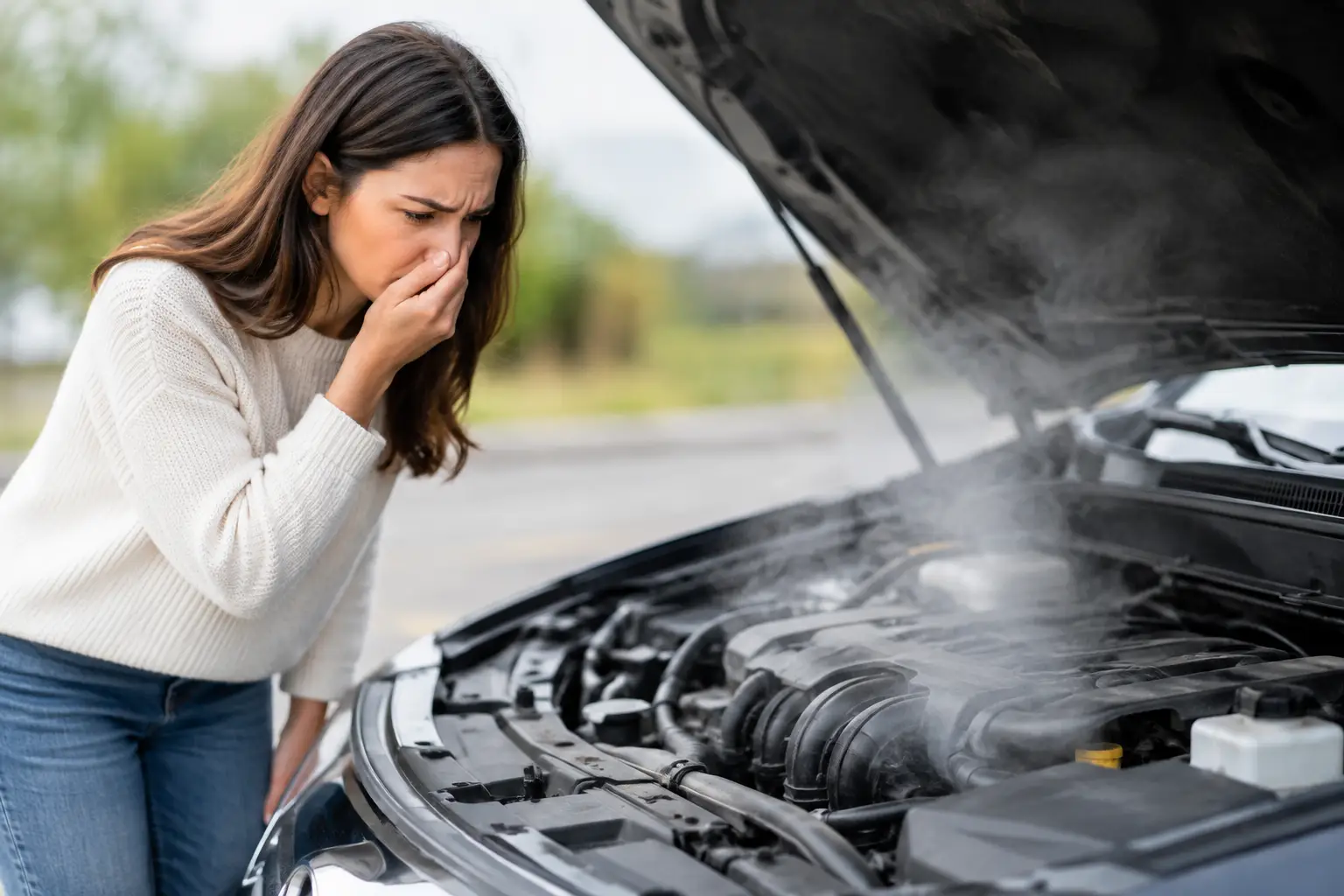
A burning smell in your car is not something to cover up with an air freshener and hope for the best. Car burning smell causes can range from a little spilled oil on a hot engine to overheated brakes, a slipping belt, or an electrical problem that needs immediate attention. The smell, when it appears, and whether you see smoke can help narrow down what is happening.
The safest approach is simple: if the odor is strong, gets worse quickly, comes with smoke, warning lights, loss of power, or unusual braking, pull over safely and shut the vehicle off. A quick inspection by a professional mechanic can prevent a small repair from becoming a breakdown or safety risk.
What Different Burning Smells Can Tell You
Not every hot or burning odor means the same thing. Pay attention to where the smell seems strongest, whether it occurs while braking or accelerating, and any changes in how the vehicle drives.
Burning Oil: A Common Car Burning Smell Cause
Burning oil often has a thick, sharp smell and may be accompanied by light smoke from under the hood. This usually happens when engine oil leaks onto hot exhaust components. Common leak points include a valve cover gasket, oil filter housing, oil pan gasket, or a loose drain plug after an oil change.
A small oil leak may not make the engine run poorly right away, but it should not be ignored. Low oil can cause expensive engine wear, while oil reaching hot exhaust parts can create smoke and, in rare cases, a fire concern. Check the oil level only after the engine has cooled and the vehicle is parked on level ground. If the level is low, or you notice fresh oil spots where you park, schedule an inspection.
Sometimes the cause is less serious. A few drops of oil can spill during an oil change and burn off over the next drive. The smell should fade quickly. If it returns or becomes stronger, there is likely an active leak.
Burning Rubber: Belts, Hoses, or Tire Contact
A burnt-rubber smell can come from a slipping drive belt, a loose hose touching a hot engine part, or a tire rubbing against the wheel well. A worn serpentine belt may slip when accelerating, when the air conditioning is on, or during wet weather. You may also hear squealing from the engine bay.
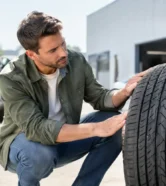
Tire rubbing is more likely after hitting a pothole, installing larger tires, carrying a heavy load, or experiencing suspension damage. Look for visible marks inside the wheel well, but do not reach near hot or moving parts. A rubbing tire can wear through quickly and affect steering, so it needs prompt attention.
On manual-transmission vehicles, a burning rubber or paper-like odor may also point to a slipping clutch. The engine may rev higher without the vehicle accelerating as expected, especially on hills. Continuing to drive this way can damage the clutch assembly further.
Burning Carpet or Paper: Overheated Brakes or Clutch
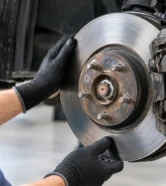
Overheated brakes often produce a harsh odor that drivers describe as burning carpet, paper, or chemicals. It may happen after driving down a long hill, towing, carrying heavy cargo, or repeatedly braking in stop-and-go traffic. In these situations, letting the brakes cool and using lower gears when appropriate can help.
However, brakes that smell hot during normal city driving deserve immediate attention. A seized brake caliper, sticking parking brake, collapsed brake hose, or worn brake components can keep a brake pad pressed against the rotor. You may notice the vehicle pulling to one side, a hot wheel, reduced fuel economy, vibration, or weak braking.
Do not touch a wheel or brake component after driving because it can be extremely hot. If you suspect a brake is dragging, stop driving and arrange for a brake inspection. Safe stopping is too important to gamble on.
Sweet, Hot Smell: Coolant Leaks
Engine coolant can have a sweet smell, and when it leaks onto hot components, it may create steam or a burning-sweet odor. You might also see a puddle that is green, orange, pink, blue, or yellow, depending on the coolant used in the vehicle.
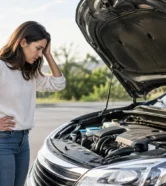
A coolant leak can come from a hose, radiator, water pump, thermostat housing, heater core, or radiator cap. Because coolant protects the engine from overheating, low coolant can quickly lead to serious damage. If the temperature gauge climbs above normal, a temperature warning appears, or steam comes from under the hood, pull over and shut off the engine. Never open a hot radiator cap.
Burnt Plastic or Electrical Smell: Stop Driving
A burning plastic smell is one of the most urgent car burning smell causes. It can indicate overheated wiring, a short circuit, a failing electrical connector, an overloaded accessory, or a component such as the blower motor or battery cable overheating.
If you smell burning plastic, especially with smoke, flickering lights, electrical failures, or a battery warning light, pull over as soon as it is safe. Shut the vehicle off and do not continue driving. Do not pour water into the engine bay or try to handle damaged wiring yourself. An electrical fault needs professional diagnosis before the vehicle is driven again.
Rotten Egg or Sulfur Smell: Exhaust and Emissions Problems
A rotten egg smell can point to an issue in the emissions system, sometimes involving the catalytic converter, fuel mixture, or engine misfire. A failing catalytic converter can overheat when unburned fuel enters the exhaust system. This may also trigger a check engine light, reduce performance, or cause rattling underneath the vehicle.
This is not always an emergency, but it should be inspected soon. If the check engine light is flashing, the engine is shaking, or power drops suddenly, stop driving. A flashing check engine light can indicate an active misfire that may quickly damage the catalytic converter.
When a Burning Smell Is an Emergency
Use the smell along with the symptoms around it. Stop driving and seek help if you notice smoke from the hood or wheels, flames, a strong electrical odor, an overheating warning, a flashing check engine light, brake pedal changes, severe pulling, or fluid pouring from the vehicle.
If the vehicle feels normal and there is no smoke, you may be able to drive a short distance to a repair shop, but only after considering the likely cause. For example, a faint odor after an oil change may clear on its own, while a recurring hot-brake smell should not wait. When uncertain, choose caution over convenience.
What You Can Check Safely Before a Repair Visit
After parking in a safe location and allowing the vehicle to cool, look underneath for fresh fluid drips and inspect the ground around each wheel. Check whether warning lights are on and make a note of when the smell occurs: after braking, while using the heater or air conditioning, after highway driving, or only when the engine is hot.
Avoid opening hot cooling-system components, touching wheels after driving, or inspecting belts with the engine running. Clear details help technicians identify the problem faster, which can reduce diagnostic time and prevent unnecessary repairs.
Preventing Burning Odors Before They Start
Routine maintenance is the most practical defense against many burning smells. Regular oil changes help catch leaks early, brake inspections reveal uneven wear or sticking components, and belt and hose checks can identify parts before they fail. Keeping tires properly sized and suspension components in good condition also reduces the chance of tire rubbing.
For commuters, delivery drivers, and busy families, it can be tempting to postpone a faint smell when the vehicle still gets from point A to point B. That is where a small issue often becomes costly. JAK Tire Service Corp can inspect the brakes, engine, electrical system, tires, and fluid leaks with clear answers and honest repair recommendations.
Your vehicle does not need to smell perfect every second to be safe, but a new, strong, or recurring burning odor is its way of asking for attention. Address it early, and you are more likely to protect your budget, your schedule, and everyone riding with you.