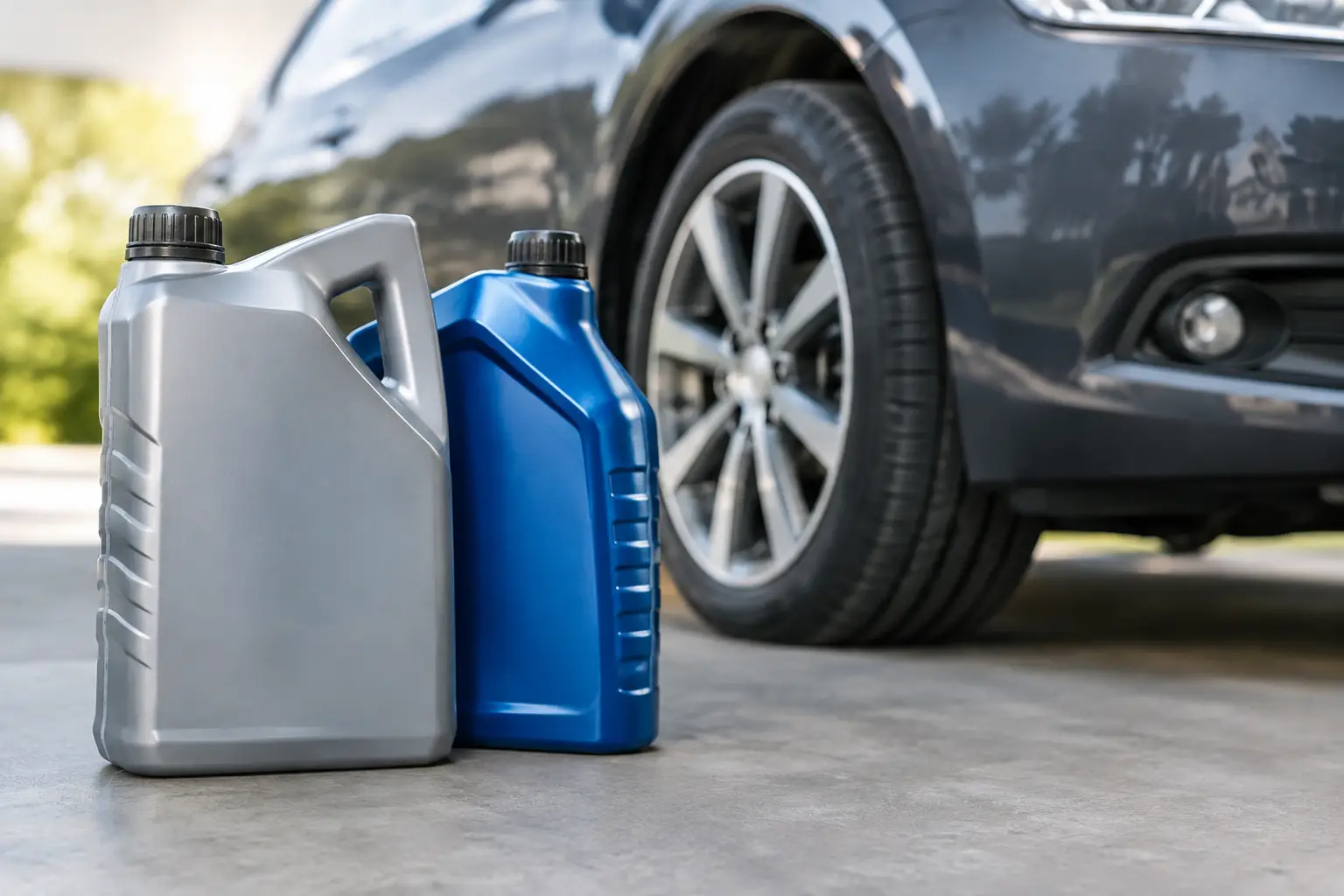
A vehicle with 100,000 miles on the odometer does not automatically need thicker oil or a complete change in maintenance strategy. Finding the best engine oil for high-mileage vehicles starts with one practical question: what does your engine manufacturer recommend? The right oil can help control consumption, support aging seals, and keep an older engine protected. The wrong grade or an unnecessary additive can create problems that cost more than an oil change.
For commuters, family SUVs, work trucks, and delivery vehicles, regular oil service is one of the simplest ways to protect dependable performance. High-mileage oil can be a smart choice, but it is not a cure for leaks, low oil pressure, overheating, or internal engine wear.
What Makes High-Mileage Engine Oil Different?
High-mileage motor oil is formulated for engines that have accumulated significant use, commonly around 75,000 miles or more. Its main difference is the additive package. Most high-mileage oils include seal conditioners designed to help aging rubber seals stay flexible. This may reduce minor seepage or oil consumption caused by hardened seals.
These oils also typically contain detergents and anti-wear additives that help manage sludge, deposits, and friction. Some formulas use a slightly different base-oil blend or viscosity profile to provide added protection in an older engine. That does not mean every high-mileage oil is dramatically thicker than standard oil. The viscosity on the bottle, such as 5W-30 or 0W-20, still matters most.
A quality high-mileage oil is especially useful for engines that are running well but beginning to use a little oil between changes, show light seal seepage, or operate under demanding conditions such as frequent stop-and-go driving, towing, or long idle times.
How to Choose the Best Engine Oil for High Mileage
The best choice is rarely about a single brand name. It is about matching the oil to your engine, your driving habits, and the condition of the vehicle.
Start with the owner’s manual
Your owner’s manual specifies the correct viscosity and performance standard for your engine. Follow it, even if your vehicle has high mileage. If the manufacturer calls for 0W-20 full synthetic oil, switching to 10W-40 simply because the engine is older may reduce flow during cold starts and may not provide the protection your engine was designed to receive.
Look for the required industry certification on the bottle, such as the current API service category or the applicable ILSAC specification. For European, diesel, turbocharged, or performance vehicles, the manufacturer may require a more specific approval. That requirement is not optional.
Choose synthetic, blend, or conventional based on use
Full synthetic oil generally offers the strongest resistance to heat, oxidation, and breakdown. It is often the best fit for modern engines, turbocharged engines, vehicles that see heavy city driving, and drivers who want consistent protection through hot summers and cold starts.
A synthetic blend can be a sensible middle ground for an older daily driver with moderate use. Conventional high-mileage oil may still be appropriate for certain older engines if it meets the specified viscosity and standards. The key is not paying for a formula your vehicle does not need, but also not cutting corners on an engine that works hard every day.
Consider symptoms, not just the odometer
Mileage alone does not tell the whole story. A well-maintained engine with 160,000 miles may be cleaner and healthier than a neglected engine with 70,000 miles. If your vehicle starts easily, runs smoothly, does not consume oil, and has no leaks, you may not need to change from the oil type you already use.
High-mileage oil becomes more compelling when you notice light oil consumption, dampness around seals, lifter noise at startup, or evidence of deposits during service. A professional inspection can separate a minor maintenance concern from a developing mechanical problem.
Should You Use a Thicker Oil in an Older Engine?
Not automatically. This is one of the most common misconceptions about high-mileage vehicles. A thicker oil can sometimes help reduce oil consumption in a worn engine, but it can also flow more slowly at startup and may not meet the requirements of variable valve timing, turbocharger, or hydraulic components.
The first number in a multigrade oil matters during cold starts. A 0W-20 oil flows differently than a 10W-30 oil when temperatures are low, while the second number describes viscosity at operating temperature. Modern engines are built with specific internal clearances, and the specified oil grade helps them operate as designed.
If an engine is consuming oil or making unusual noise, do not guess with a thicker grade. Check the oil level regularly and have the vehicle inspected. Oil consumption can be caused by external leaks, worn valve seals, piston-ring wear, a faulty PCV system, or other issues that oil alone will not repair.
Signs Your Vehicle May Benefit From High-Mileage Oil
A high-mileage formula may be worth considering if your car has accumulated substantial mileage and has mild, manageable age-related symptoms. These include a small drop in oil level between changes, minor seal seepage, or an engine that sees frequent hard use. It can also be a good preventive choice for drivers who plan to keep a reliable older vehicle for several more years.
However, do not expect a bottle of oil to stop an active leak, fix blue exhaust smoke, restore compression, or silence serious internal engine noise. If you find puddles under the vehicle, smell burning oil, see a warning light, or need to add oil frequently, schedule a diagnostic inspection. Fast, clear answers are safer and usually less expensive than waiting for damage to grow.
Oil Change Intervals Matter as Much as Oil Type
The best engine oil high mileage drivers choose will not help much if it stays in the engine too long. Oil gradually collects contaminants, loses additive strength, and can form deposits when change intervals are ignored. Short-trip driving is especially demanding because the engine may not run long enough to fully evaporate moisture and fuel dilution from the oil.
Follow the manufacturer’s recommended interval and adjust for severe use when appropriate. Frequent stop-and-go traffic, delivery routes, towing, extreme temperatures, and extended idling can all justify closer attention. Time matters too. Even a low-mileage vehicle should have its oil changed at the recommended calendar interval.
At every oil change, the technician should check the oil level and condition, inspect for visible leaks, replace the filter with a quality part, and look for early signs of trouble. This routine service offers a useful opportunity to catch worn belts, battery concerns, coolant leaks, and brake issues before they affect reliability.
Do Oil Additives Help Older Engines?
Be cautious with aftermarket oil additives. High-quality motor oil already contains a carefully balanced additive package. Adding a thickener, stop-leak product, or treatment without understanding the underlying issue can alter viscosity or interfere with the oil’s intended performance.
There are situations where a technician may recommend a specific product, but that should follow an inspection, not replace one. For most drivers, choosing the correct high-mileage oil and changing it on schedule is the more reliable approach.
Protect the Engine You Already Own
Older vehicles can provide years of safe, dependable service when maintenance stays ahead of wear. Use the correct viscosity, select a reputable oil that meets your manufacturer’s specification, and monitor the oil level between services. If consumption or leakage changes suddenly, treat it as useful information rather than something to ignore.
For clear advice and professional oil service, JAK Tire Service can help match your vehicle’s maintenance needs to the way you drive. A small amount of attention now can help your engine stay reliable for the miles ahead.