


A brake pedal that suddenly feels soft on the Don Valley Parkway, a check-engine light before a long weekend, or a vehicle that pulls toward the curb can turn an ordinary drive into a safety concern fast. When you need auto repair North York drivers can rely on, the goal is not just to get the car moving again. It is to understand what is wrong, repair what truly needs attention, and leave knowing your vehicle is ready for the road.
Good auto repair should feel clear and practical. You deserve straightforward answers, fair pricing, and professional work that addresses the cause of a problem instead of temporarily hiding the symptom.
Auto Repair in North York Starts With the Right Questions
Not every warning light means a major repair, and not every unusual sound can wait until next month. The difference often comes down to the symptoms, how the vehicle is driving, and whether a safety-related system may be involved.
A qualified mechanic should ask when the issue started, whether it happens only at certain speeds, and whether you have noticed changes in braking, steering, starting, fuel use, or engine performance. Those details can shorten diagnostic time and help avoid replacing parts based on guesswork.
For example, a check-engine light can be triggered by something relatively simple, such as a loose fuel cap, but it can also point to a misfire, sensor problem, fuel-system issue, or emissions-related fault. If the light is flashing, the engine may be misfiring severely enough to damage the catalytic converter. That calls for prompt attention.
The same principle applies to noises. A light squeal during braking may indicate worn pads or surface rust after rain. A grinding noise, vibration through the brake pedal, or a vehicle that pulls while stopping deserves an inspection right away. Waiting can turn a manageable brake service into damage to rotors, calipers, or other components.
Problems That Should Not Be Put Off
Some repairs can be scheduled around your week. Others should move to the top of the list because they affect your ability to control the vehicle or could lead to a breakdown.
Brake warning lights, reduced braking power, burning smells, overheating, steering that feels unusually loose, and tire sidewall damage all need quick professional attention. A tire that is losing pressure repeatedly may have a repairable puncture, but it could also have a damaged valve, bent wheel, or internal tire issue. Driving on an underinflated tire builds heat and increases the risk of a failure.
Battery concerns are another common source of surprises in the Greater Toronto Area. Slow cranking, dim lights, electrical glitches, or a vehicle that needs frequent boosts can point to a weak battery, poor cable connection, or charging-system problem. Replacing a battery without testing the alternator and electrical system may solve the symptom only temporarily.
Transmission and drivetrain concerns also deserve a timely assessment. Delayed shifting, hard shifts, a whining sound, fluid leaks, or vibration while accelerating may not always mean a complete transmission rebuild. Sometimes the cause is a fluid issue, mount, axle, sensor, or related component. Accurate diagnostics matter because these repairs can vary widely in scope and cost.
Why Preventive Maintenance Costs Less Than Waiting
Routine maintenance is one of the most practical ways to avoid inconvenient repairs. It is not about selling service you do not need. It is about inspecting wear items before a small issue affects safety, performance, or another expensive part.
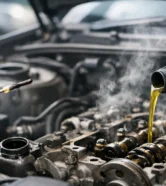
Oil-change-related maintenance, filter replacement, fluid checks, tune-ups when needed, battery testing, and brake inspections give mechanics a chance to catch developing concerns. The ideal service schedule depends on your vehicle, mileage, driving habits, and manufacturer recommendations. A commuter who spends hours in stop-and-go Toronto traffic may place different demands on brakes, tires, and engine oil than someone who drives mostly on open highways.
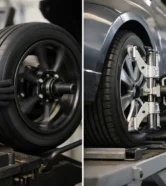
Tire maintenance deserves the same attention. Tire rotations help tires wear more evenly, while regular pressure checks support fuel efficiency, braking performance, and tire life. Wheel alignments are especially useful after pothole impacts, curb contact, or any time the vehicle pulls to one side or the steering wheel sits off-center.
An alignment is not the answer to every uneven-tire-wear problem, though. Worn suspension parts, incorrect tire pressure, or a tire with internal damage can produce similar symptoms. A proper inspection helps identify the real reason before new tires are installed.
Tires, Brakes, and Alignment Work Together
Drivers often think of tires, brakes, and wheel alignment as separate services. On the road, they work as a system. Your brakes create stopping force, but your tires provide the grip needed to use that force effectively. Alignment helps keep the vehicle stable and helps the tires maintain proper contact with the road.
This matters even more during wet fall weather, winter slush, and sudden temperature changes. Tires with low tread can increase stopping distances and reduce control in standing water or snow. Tires with uneven wear can create vibration, road noise, and less predictable handling.
Choosing the right tire depends on how and where you drive. All-season tires can be a practical choice for many drivers, while winter tires offer a meaningful advantage in cold conditions and on snow-covered roads. SUV owners may need tires that balance year-round comfort with load capacity and traction. The best option is not always the most expensive tire. It is the one that fits your vehicle, driving conditions, budget, and safety needs.
What Honest Diagnostics Should Look Like
Modern vehicles rely on computer systems, sensors, and complex mechanical components. A diagnostic scan is useful, but a fault code is a starting point, not a final repair plan.
Professional diagnostics combine scan-tool results with visual inspections, road testing when appropriate, electrical checks, and the mechanic’s experience. If a code identifies a sensor circuit issue, for instance, the actual cause could be the sensor, wiring, connector, power supply, or a related mechanical condition.
Clear communication is part of good repair work. You should be told what was found, what the recommended repair addresses, and whether the issue is urgent, upcoming, or simply something to monitor. This allows you to make an informed decision without technical confusion or pressure.
At JAK Tire Service Corp, that approach applies to routine passenger vehicles as well as commercial trucks, industrial vehicles, and heavy equipment. For a family car, that may mean a fast brake inspection before a busy week. For a commercial operator, it may mean getting capable tire or mechanical service quickly to reduce costly downtime.
How to Get More Value From Your Repair Visit
A little information from the driver can make a repair visit more efficient. Before arriving, take note of the warning lights you see, when the symptom happens, and whether recent work was performed. If you hear a sound, describe whether it is a squeal, clunk, grind, hum, or vibration, and mention whether it changes during braking, turning, or acceleration.
It also helps to be realistic about priorities. If a mechanic identifies a safety concern along with a maintenance item that can wait, ask for a clear explanation of both. A trustworthy shop can help you plan the work in the right order rather than treating every recommendation as equally urgent.
Keep records of oil services, tire changes, alignments, batteries, and major repairs. These records help track maintenance intervals and can reveal repeating issues. They are also useful when selling the vehicle because they show that it has been cared for responsibly.
Your vehicle does not need to be making a dramatic noise before it deserves attention. If something feels different behind the wheel, schedule an inspection while the issue is still easier to diagnose, safer to manage, and more likely to stay within your budget.