

A brake pedal that feels different on the Don Valley Parkway is not something to put off until the next oil change. Whether you hear a squeal in a parking lot, feel vibration while stopping, or notice your vehicle pulling to one side, timely brake repair North York drivers can rely on starts with identifying the real cause. The goal is simple: Stop Safe, Drive Confident.
Brake problems do not always mean a major repair. Sometimes the fix is straightforward, such as replacing worn pads or cleaning and servicing sticking hardware. Other times, worn rotors, a seized caliper, leaking brake fluid, or a suspension issue may be affecting how your vehicle stops. A professional inspection gives you clear answers before a small concern becomes a larger safety issue.
Signs You May Need Brake Service
Squealing is one of the most common signs of pad wear. Many brake pads have a small metal wear indicator designed to make noise when the friction material gets low. That sound is a useful warning, but it is not the only one. Some brakes squeal because of moisture, road dust, or pad material, especially after the vehicle has been parked overnight. The difference is whether the noise disappears quickly or continues every time you brake.
Grinding deserves faster attention. It can mean the pad material has worn away and metal is contacting the rotor. Continuing to drive in that condition can damage the rotor and reduce braking performance, turning a pad replacement into a more involved repair.
Pay attention to changes you can feel as well. A soft or spongy pedal may point to air or moisture in the brake fluid, a fluid leak, or another hydraulic issue. A pedal that is unusually hard can be related to the brake booster or vacuum system. If the pedal sinks closer to the floor than normal, have the vehicle checked promptly.
Other warning signs include vibration through the steering wheel or brake pedal, a vehicle that pulls while braking, a burning smell after driving, or a brake warning light. Pulling does not automatically mean the brakes are at fault. Tire pressure, wheel alignment, and suspension wear can also affect straight-line control. That is why diagnosis matters more than guessing.
What a Proper Brake Inspection Includes
Good brake repair is not just replacing parts that look worn. A complete inspection should assess the braking system as a whole and explain what is urgent, what can be monitored, and what is still in good condition.
Pads, Rotors, and Calipers
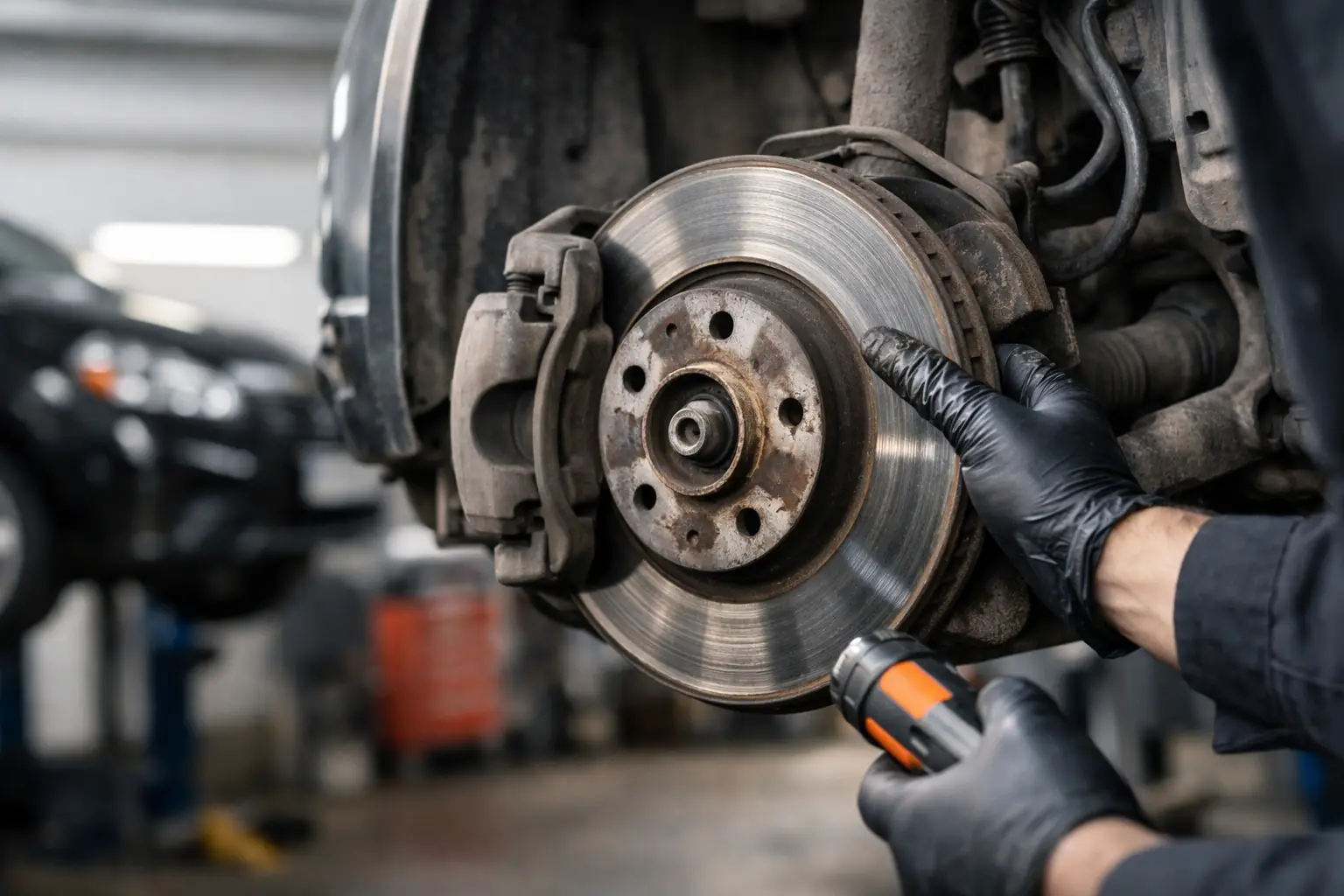
A technician measures remaining brake pad material and checks whether it is wearing evenly. Uneven wear may indicate a sticking caliper, seized slide pins, or hardware that is no longer allowing the pads to move freely. Replacing pads without correcting the cause can lead to the same problem again much sooner than expected.
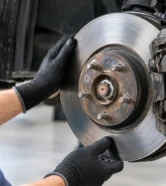
Rotors are checked for thickness, surface condition, corrosion, heat spots, and runout. Some rotors can be resurfaced if they remain above the manufacturer’s minimum thickness and are otherwise sound. In many modern vehicles, replacing the rotors with the pads provides more predictable results and avoids installing new pads on a damaged or uneven surface. The right choice depends on the condition of the parts, not a one-size-fits-all rule.
Calipers, hoses, and brake lines also need attention. A caliper that does not release properly can overheat one wheel, create a burning odor, and wear a pad down rapidly. Corroded lines or damaged hoses require immediate professional service because the brake system depends on hydraulic pressure to work correctly.
Brake Fluid and Electronic Systems
Brake fluid absorbs moisture over time. Excess moisture can lower its boiling point and contribute to internal corrosion. A fluid service may be recommended based on the vehicle manufacturer’s maintenance schedule, fluid condition, and the type of driving you do.
Modern vehicles may also use anti-lock braking systems, electronic parking brakes, brake assist, and stability-control components. These systems need the right procedures and diagnostic equipment during service. For example, an electronic parking brake may need to be placed in service mode before rear pads are replaced. Cutting corners here can create warning lights or damage components.
Brake Repair in North York: What May Need Replacing
The most common brake service includes pads and rotors, but the work can vary by vehicle and condition. Front brakes often wear faster because more vehicle weight transfers forward during stopping. However, rear brakes still play an essential role in stability, parking-brake function, and balanced braking.
If pads are worn but the rotors are smooth and within specification, a technician may recommend pads and hardware only. If rotors are deeply grooved, rusted, warped, or below minimum thickness, replacement is usually the safer long-term option. New pads on poor rotors can cause noise, vibration, and reduced pad life.
A seized caliper, worn brake hose, damaged wheel bearing, or malfunctioning parking brake can add to the repair scope. These are not repairs a trustworthy shop should hide in vague language. You should receive a clear explanation of what was found, why it matters, and how the recommended repair affects safety and reliability.
For daily commuters, rideshare drivers, delivery vehicles, SUVs, and work trucks, brake wear may happen sooner than the calendar suggests. Stop-and-go traffic, frequent short trips, heavy loads, and winter road conditions all place added demand on braking components. There is no single mileage that applies to every driver.
When Is It Safe to Drive and When Should You Stop?
A light squeal that occurs only during damp morning conditions may not require an emergency repair, but it still deserves monitoring. Book an inspection if the sound becomes frequent, louder, or is joined by pedal changes or vibration.
Do not keep driving if you hear grinding, see a brake warning light, smell burning near a wheel, experience a significant pull while braking, or notice a sudden loss of pedal firmness. If the vehicle does not stop normally, arrange for professional assistance rather than trying to drive it to a shop.
Brake warning lights need context. The parking brake may simply be engaged, but a red brake warning light can also indicate low fluid or a hydraulic problem. An ABS light often means the regular brakes may still work, but the anti-lock function could be unavailable. Both situations should be inspected soon, especially before highway driving or poor-weather travel.
How to Help Your Brakes Last Longer
Smooth driving makes a measurable difference. Leave more following distance, ease off the accelerator earlier, and avoid repeated hard stops when traffic conditions allow. This reduces heat buildup and lets pads and rotors wear more evenly.
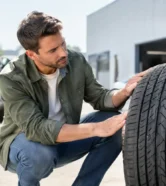
Do not ignore tire and suspension maintenance, either. Tires with uneven tread, incorrect pressure, or poor traction can increase stopping distance. Worn shocks, struts, or steering components can make a vehicle feel unstable under braking and may be mistaken for a brake issue. Regular inspections help catch these connected problems before they affect control.
In the GTA, winter salt can accelerate corrosion on rotors, calipers, brake lines, and hardware. A seasonal inspection is a practical choice, particularly for vehicles that spend long periods outdoors. If you hear scraping after a snowstorm, it could be surface rust clearing from the rotors, but persistent noise needs a closer look.
Choose Clear Answers Over Guesswork
Brake service should leave you confident about what was repaired and why. At JAK Tire Service Corp, professional mechanics inspect the system carefully, explain findings in plain language, and recommend only the work your vehicle needs. Fair pricing and quality workmanship matter because reliable brakes are not an optional convenience.
If your vehicle is making noise, pulling, vibrating, or taking longer to stop, schedule an inspection before your next commute. A timely check can protect your rotors, your budget, and most importantly, everyone riding with you.