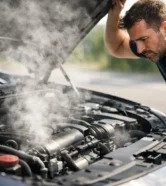



A warning light before the morning commute, brakes that feel different at a red light, or a tire that keeps losing air can turn a normal drive into a stressful decision. The right auto mechanic shop makes that decision easier. You should leave knowing what was found, what needs attention now, what can wait, and what the repair will cost before work begins.
For families, commuters, delivery drivers, and business vehicles, repair service is not just about getting back on the road. It is about safe stopping, reliable starts, predictable costs, and fewer interruptions to a busy week. Here is what to look for when choosing a repair shop and how to build a vehicle-care relationship that serves you well over time.
Start With Clear Communication and Honest Estimates
A trustworthy shop does not make customers feel pressured or confused. The service advisor or technician should listen to the symptoms you notice, ask practical questions, and explain the likely next step in plain language. A vibration at highway speed, for example, may point to tire balance, wheel alignment, suspension wear, or a tire issue. A professional diagnosis separates possibilities instead of guessing.
Before approving repairs, ask for an estimate that breaks down parts, labor, taxes, and any diagnostic charge. You should also know whether the estimate may change if the technician finds hidden damage after disassembly. Some jobs, such as brake work or suspension repair, can reveal additional worn components only after inspection. That is normal. The key is that the shop contacts you for approval before adding work.
Low pricing can be appealing, but the cheapest quote is not always the best value. A lower price may reflect lower-quality parts, incomplete inspection, or labor that does not address the underlying cause. Fair pricing means the recommendation matches the vehicle’s condition and your driving needs, with no unnecessary repairs added to the invoice.
What a Good Auto Mechanic Shop Should Handle
Most drivers benefit from finding one shop that can care for the full vehicle, not just solve a single issue. Consistent service history helps technicians spot patterns, track wear, and recommend maintenance at the right time. It also saves you from repeating the same concerns at a different location every visit.
Look for a shop with trained technicians and the diagnostic equipment to service your make and model. Modern vehicles rely on computer systems for engine performance, emissions, safety features, battery management, and more. When a check engine light appears, reading the trouble code is only the beginning. The technician still needs to test the system, identify the actual fault, and confirm the repair.
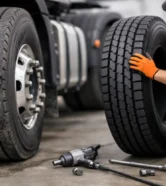
A capable repair center should be prepared to assess common needs such as oil changes, brake repair, battery replacement, tire installation, wheel alignment, suspension work, air conditioning service, transmission concerns, and safety inspections. It does not mean every problem has the same urgency. An honest mechanic explains the difference between a repair that affects immediate safety and maintenance that can reasonably be scheduled later.
Tires, Brakes, and Alignment Work Together
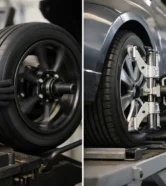
Drivers often treat tires, brakes, and alignment as separate services, but they affect the same everyday experience behind the wheel. Tires provide the contact patch that grips the road. Brakes convert stopping force into controlled deceleration. Alignment keeps the tires pointed in the intended direction and helps them wear evenly.
If a vehicle pulls to one side, the steering wheel sits off-center, or the tires show uneven wear, schedule an inspection. An alignment may be needed, but a technician should also check tire condition, air pressure, steering components, and suspension parts. Aligning a vehicle with worn components can produce only temporary results.
Brake concerns deserve prompt attention. Squealing, grinding, a soft pedal, vibration during braking, or a brake warning light should not be ignored. The repair may be as straightforward as replacing worn pads, but the inspection should include rotors, calipers, hoses, brake fluid, and hardware. Stop safe, drive confident starts with knowing the full condition of the braking system.
Ask How the Shop Diagnoses Problems
Good repairs begin with good inspection. If your car has an intermittent issue, provide useful details: when it happens, whether the engine is cold or warm, the speed you are traveling, recent repairs, warning lights, sounds, smells, and changes in handling. These observations can reduce diagnostic time and help the technician reproduce the problem.
Be cautious of instant answers for complicated symptoms. A check engine light does not automatically mean a specific sensor needs replacement. A dead battery does not always mean the battery itself is the cause. The charging system, cable connections, parasitic draw, starter operation, and battery age may all need consideration.
Precision diagnostics protect your budget because they target the cause, not merely the symptom. Ask what testing was performed and why the recommended repair solves the issue. You do not need a technical lecture, but you deserve clear answers you can use to make a decision.
Prioritize Preventive Maintenance Over Emergency Repairs
The most affordable repair is often the one you avoid through regular maintenance. Oil changes with the correct oil and filter help protect the engine. Tire rotations support even tread wear. Fluid checks can catch leaks early. Seasonal inspections can identify weak batteries, worn wipers, poor tire tread, and brake concerns before harsh weather raises the stakes.
Maintenance schedules vary by vehicle, mileage, engine type, and driving conditions. A vehicle used mostly for short trips, heavy traffic, delivery routes, towing, or frequent stop-and-go driving may need more attention than one driven mainly on open highways. Your owner’s manual provides a starting point, while a trusted technician can help tailor a plan to how you actually drive.
Do not approve maintenance simply because it is listed on a generic menu. Ask whether the service is due by time, mileage, fluid condition, or a manufacturer recommendation. This keeps maintenance practical and helps you plan for larger services rather than being surprised by them.
Signs It Is Time to Find Another Shop
A single misunderstanding does not always mean a shop is untrustworthy. Mistakes can happen, and complex repairs can take longer than expected. What matters is how the business responds. A dependable shop communicates delays, explains options, and stands behind its work.
Consider looking elsewhere if you repeatedly receive vague estimates, pressure to approve work immediately, conflicting explanations, or invoices that include unapproved repairs. You should also be concerned if a shop dismisses a safety complaint without a proper inspection or cannot explain why a repair is necessary.
Reliable service creates confidence, not uncertainty. At JAK Tire Service, that means focusing on the concern you brought in, inspecting the vehicle carefully, and giving customers straightforward recommendations based on safety, reliability, and value.
Make Your First Visit Count
Your first appointment is a chance to evaluate the shop before a major repair is needed. An oil change, tire service, inspection, or seasonal check is often a practical place to start. Notice whether staff document concerns accurately, return calls, explain findings clearly, and provide an invoice you can understand.
Keep your service records and share recent repair history. If you have receipts for a new battery, brake work, or tire purchase, bring that information along. It helps avoid duplicate work and gives the technician a clearer picture of the vehicle.
For fleet managers and high-mileage drivers, ask about service scheduling, inspection intervals, and turnaround expectations. Downtime costs money, but rushed repairs can cost more. The right balance is efficient work supported by a complete inspection and quality parts.
A dependable auto mechanic shop should make vehicle care feel manageable, not mysterious. When your car gives you a warning sign, address it early, ask direct questions, and choose a team that treats your safety and time with the same care they bring to the repair.