

A brake pedal that feels normal on Monday can start making a faint squeal by Friday. For drivers asking, how long do brake pads last, the honest answer is that mileage is only part of the picture. Your commute, vehicle weight, driving habits, brake pad material, and the condition of the rest of the brake system all affect when replacement is needed.
Most drivers can expect brake pads to last roughly 30,000 to 70,000 miles. Some pads wear sooner, while others last beyond that range. Rather than waiting for a certain odometer number, pay attention to how your vehicle stops and have the brakes inspected during regular maintenance. Reliable braking is not an area where guessing saves money.
How Long Do Brake Pads Last on Average?
For many passenger cars, front brake pads last around 30,000 to 50,000 miles. Rear pads may last longer, often 40,000 to 70,000 miles, because the front brakes usually do more of the stopping work. However, some vehicles use rear brakes more aggressively for stability control, electronic parking brake functions, or regenerative braking systems, so the pattern is not always the same.
A driver who mainly travels on open highways may get considerably more life from a set of pads than someone who drives through dense traffic every day. Stop-and-go commuting, school drop-offs, delivery routes, and frequent short trips all require repeated braking. That repeated friction gradually wears away the pad material.
SUVs, trucks, and loaded work vehicles also place more demand on the braking system. More weight means more energy must be controlled every time you slow down. If you tow a trailer, carry equipment, or regularly transport passengers and cargo, brake inspections should be part of your routine maintenance plan.
Why Brake Pad Life Varies So Much
Brake pads are designed to wear. They press against the brake rotors to create the friction that brings your vehicle to a safe stop. The goal is not to make pads last forever. The goal is consistent, controlled stopping without damaging more expensive components.
Your driving style has a major effect. Hard braking from high speeds creates more heat and wears pads faster. Riding the brakes downhill can do the same. Leaving more following distance, easing off the accelerator earlier, and braking smoothly can help extend pad and rotor life while making daily driving safer.
Traffic conditions matter just as much. A highway commuter may use the brakes lightly and infrequently compared with an Uber driver, delivery driver, or family driver navigating city traffic. In areas with heavy congestion, frequent red lights, construction zones, and sudden stops, shorter brake pad life is normal.
Brake pad material also makes a difference. Organic pads are often quieter and can be easier on rotors, but they may wear faster under demanding conditions. Semi-metallic pads offer strong performance and heat resistance, though they can be noisier and may create more brake dust. Ceramic pads are commonly valued for quiet operation, lower dust, and dependable everyday performance, but they can cost more. The best choice depends on your vehicle, driving conditions, budget, and manufacturer recommendations.
Signs Your Brake Pads May Need Replacement
Mileage is useful for planning, but symptoms should always take priority. If your vehicle is showing a brake warning sign, do not wait until the next oil change to have it checked.
A high-pitched squeal when you apply the brakes is one of the most common signs. Many pads have a small wear indicator designed to make noise when the friction material becomes thin. A squeal can also be caused by moisture, dust, or glazing, so it does not automatically mean the pads are worn out. It does mean a professional inspection is a smart next step.
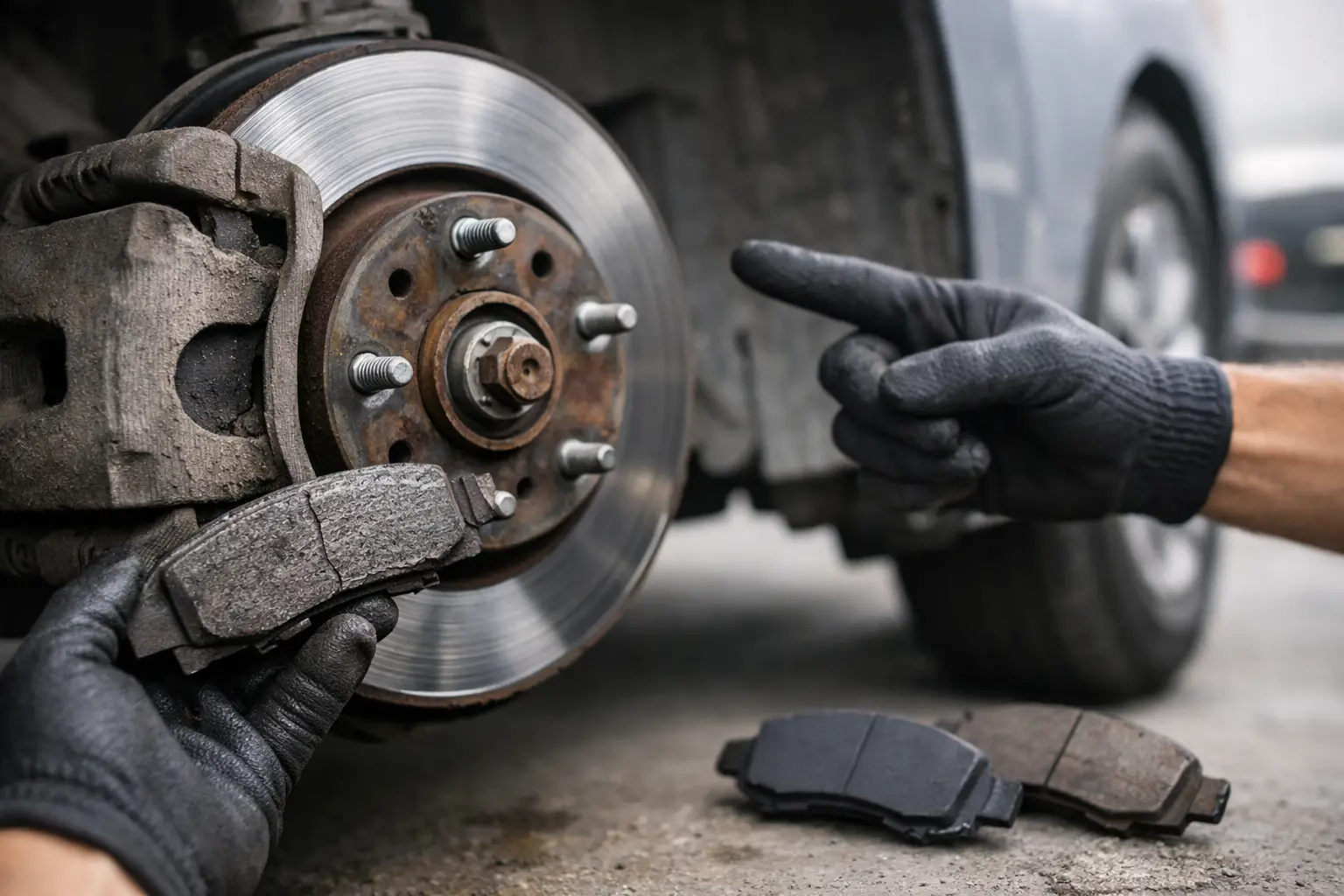
A harsh grinding sound is more urgent. It can mean the pad material is worn away and metal is contacting the rotor. Continuing to drive in this condition can score or warp the rotor, reduce stopping performance, and turn a basic pad replacement into a more involved brake repair.
You may also notice that the brake pedal feels different. A soft or spongy pedal, a pedal that travels farther than usual, or a pedal that requires extra pressure should be inspected promptly. These symptoms may involve worn pads, but they can also point to low brake fluid, air in the brake lines, a hydraulic issue, or another safety concern.
Other warning signs include vibration through the pedal or steering wheel when braking, the vehicle pulling to one side, a burning smell after braking, or a brake warning light. These issues are not always caused by pads alone. Sticking calipers, worn rotors, uneven tire wear, suspension problems, and brake fluid concerns can all affect how a vehicle stops.
Don’t Wait Until You Hear Grinding
Brake pads are generally replaced before they reach the metal backing plate. During an inspection, a technician measures the remaining friction material in millimeters. New pads commonly begin around 10 to 12 millimeters, though specifications vary by vehicle and pad design.
Many repair professionals recommend planning replacement when pads reach about 3 millimeters. At 2 millimeters or less, replacement is usually urgent. This gives you time to schedule service before the pads damage the rotors or create an unsafe stopping condition.
The rotor condition matters too. Rotors must have enough thickness to safely manage heat. If a rotor is deeply grooved, cracked, heavily rusted, warped, or below its minimum thickness specification, it may need replacement along with the pads. Installing new pads on a severely worn rotor can lead to noise, vibration, uneven pad wear, and reduced braking confidence.
A proper brake service is more than simply swapping parts. It should include checking pad thickness, rotor condition, caliper movement, brake hoses, hardware, fluid level, and signs of leaks or uneven wear. That inspection helps identify the reason one pad wore faster than the others, which can prevent the same problem from returning soon after service.
How to Help Your Brake Pads Last Longer
You cannot avoid brake pad wear, but you can reduce unnecessary stress on the system. Keep a safe following distance so you have room to slow down gradually instead of braking hard at the last second. When approaching a red light or traffic backup, lift off the accelerator early and let the vehicle slow naturally when conditions allow.
Avoid carrying unnecessary heavy items in the vehicle, especially if you drive a smaller car. Extra weight adds strain to brakes, tires, suspension, and fuel economy. If you drive through steep hills or tow regularly, use the vehicle’s recommended lower gear or towing mode where appropriate to help control speed without overheating the brakes.
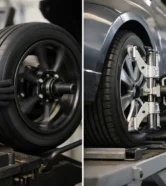
Stay current on tire maintenance as well. Tires with uneven wear, improper air pressure, or poor traction can change how your vehicle responds under braking. Wheel alignment and suspension issues may also make the vehicle pull or feel unstable, which can be mistaken for a brake problem. A complete inspection gives clearer answers than replacing parts based on one symptom.
When to Schedule a Brake Inspection
A good rule is to have your brakes checked at least once or twice a year, often during tire rotation, seasonal tire service, or an oil change. This is especially helpful for commuters, fleet vehicles, ride-share drivers, and anyone who spends a lot of time in traffic.
Schedule an inspection sooner if you hear persistent squealing, feel vibration, notice a change in pedal feel, see a warning light, or suspect your pads are nearing the end of their expected mileage range. Brake concerns deserve a clear diagnosis, not a rushed assumption.
At JAK Tire Service, professional mechanics can inspect your brake system, explain what they find in plain language, and recommend only the work your vehicle needs. Whether your pads have plenty of life left or are ready for replacement, knowing the condition of your brakes lets you plan ahead, avoid rotor damage, and drive with greater confidence every day.