

A missed oil change rarely causes trouble on the same day. The risk builds quietly during stop-and-go commutes, short winter trips, long idling periods, and highway miles. By the time an engine sounds louder, runs rough, or shows an oil warning light, the problem may be more than old oil. For an oil change North York drivers can rely on, the goal is simple: protect the engine before wear turns into an expensive repair.
Fresh oil does more than lubricate moving parts. It helps manage heat, carries contaminants toward the filter, and supports the smooth operation of components that work at high speed every time you drive. Regular service is one of the most practical ways to keep a car, SUV, truck, or fleet vehicle dependable.
Why an Oil Change Matters More Than Many Drivers Think
Engine oil operates in a harsh environment. Heat, moisture, fuel residue, and tiny particles gradually reduce its ability to protect internal engine parts. The oil filter captures many contaminants, but it also reaches its capacity over time. When oil is overdue, sludge and deposits can form, oil flow can be restricted, and metal components can experience more friction.
That does not mean every vehicle needs the same short service interval. Modern engines and high-quality synthetic oils can often go longer between changes than older vehicles using conventional oil. Still, the correct interval depends on the vehicle manufacturer’s recommendation, the oil specification required by the engine, and the way the vehicle is used.
A delivery driver covering long daily routes may add mileage quickly. A commuter who drives only a few miles at a time may not add much mileage, but repeated short trips can be hard on oil because the engine may not stay hot enough for long enough to evaporate moisture. The calendar matters along with the odometer.
When to Book an Oil Change in North York
Your owner’s manual is the best starting point. It identifies the correct oil grade, required oil standard, and recommended interval for normal and severe driving conditions. Many newer vehicles also calculate oil life based on operating conditions. When the maintenance reminder appears, it is wise to arrange service soon rather than wait until the next convenient month.
Some driving habits place a vehicle in the severe-service category even if it is not hauling equipment or driving off-road. Frequent traffic congestion, extensive idling, repeated short trips, towing, very hot or cold temperatures, and commercial use can all shorten the practical life of engine oil.
Watch for warning signs, but do not depend on them as your service plan. Dark oil alone does not always mean it has failed, since oil naturally darkens as it collects contaminants. More meaningful concerns include a low oil level, a burning-oil smell, fresh leaks beneath the vehicle, unusual engine noise, or an oil pressure warning light. An oil pressure light deserves immediate attention. Stop driving when it is safe to do so and have the vehicle inspected, because continued operation with low oil pressure can cause serious engine damage.
Mileage Is Not the Only Measure
A vehicle that sits for long periods also needs attention. Oil can collect moisture and contaminants even when mileage is low. If you drive infrequently, follow the time-based interval in the owner’s manual. This is especially useful for second vehicles, seasonal vehicles, and family cars used mostly for errands.
Keeping a service record also makes future decisions easier. You will know what oil was installed, when the filter was changed, and whether the engine has been consuming oil between visits. That history can help a technician spot a developing issue before it becomes a breakdown.
Choosing the Right Oil for Your Engine
The best oil is not simply the most expensive bottle on the shelf. It is the oil that meets your vehicle manufacturer’s specified viscosity and performance standard. Using the wrong viscosity can affect cold-weather starting, fuel economy, engine protection, and the operation of systems such as variable valve timing.
Conventional oil may be suitable for some older engines and lower-demand driving. Synthetic-blend oil offers a middle ground, while full synthetic oil is often recommended for newer vehicles, turbocharged engines, vehicles with extended service intervals, and drivers who face demanding traffic or weather conditions. Full synthetic usually costs more upfront, but it can provide stronger resistance to heat and breakdown. Whether that added cost makes sense depends on your vehicle’s requirements and your driving pattern.
If an engine has high mileage, it may need closer monitoring, but high-mileage oil is not automatically necessary for every older vehicle. A professional mechanic can look for leaks, oil consumption, and engine condition before recommending a product. Clear answers are better than one-size-fits-all advice.
What a Professional Oil Service Should Include
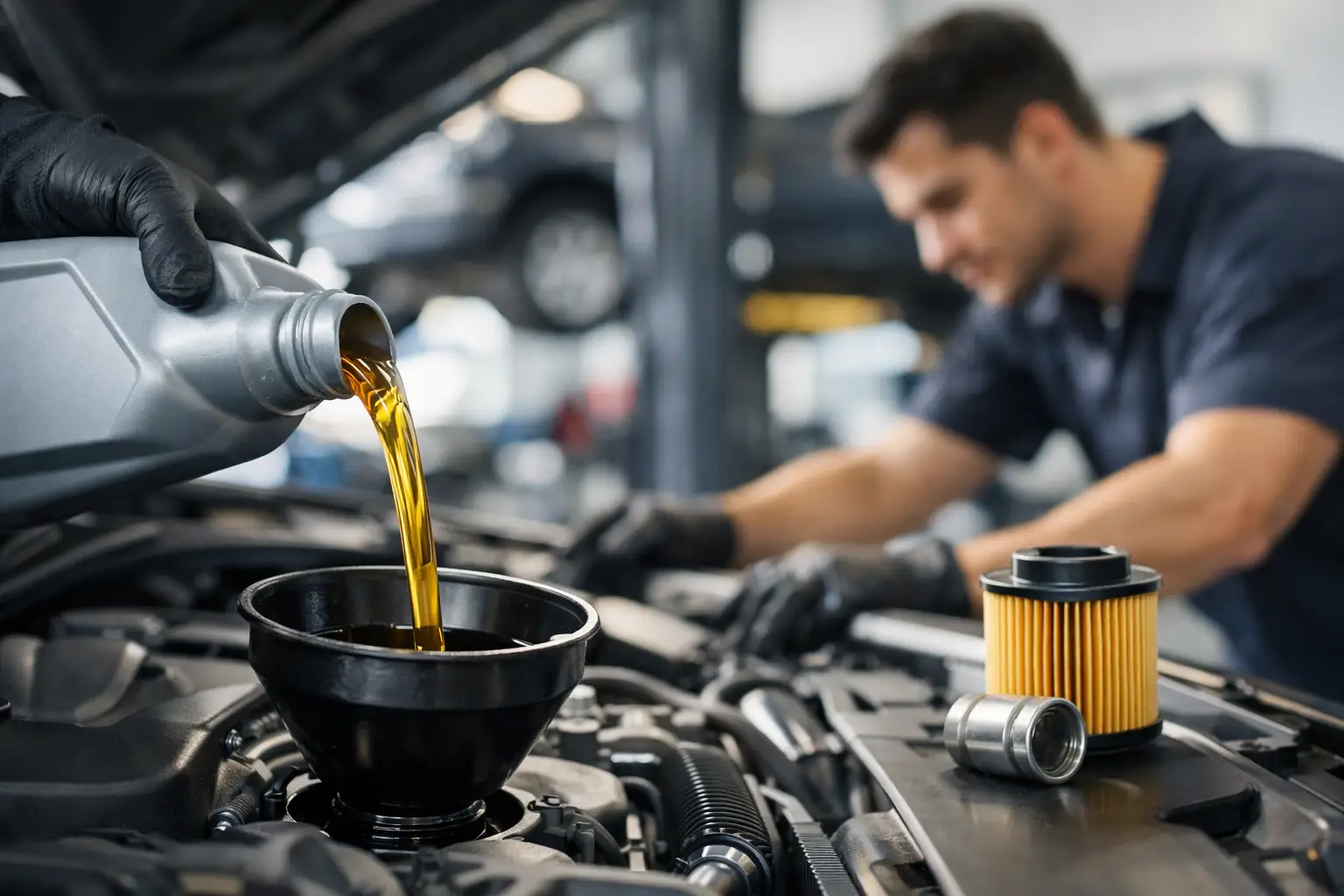
A proper oil service is an opportunity to check more than the oil itself. The technician should drain the old oil, install the appropriate filter, refill the engine with the correct amount and specification of oil, and verify the level after the engine has circulated it.
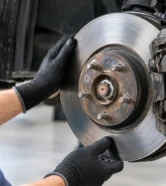
It is also a sensible time for a visual inspection of common wear items. At JAK Tire Service Corp, that means looking for concerns that affect safe, reliable driving, such as visible fluid leaks, worn tires, brake condition, battery health, and obvious suspension issues. The purpose is not to pile on unnecessary repairs. It is to identify concerns early, explain what was found in plain language, and let the driver make an informed decision.
For example, a small oil seep may only require monitoring, while a leak that is lowering the oil level between services should be addressed sooner. Uneven tire wear may point to an alignment concern. Low brake pad material may not be an emergency today, but knowing about it helps you plan service before braking performance is affected.
How to Get More Value From Every Oil Change
Between oil changes, check your oil level periodically, particularly before a long trip or if your vehicle has a known history of oil use. Park on level ground, allow the engine to sit briefly, and follow the checking procedure outlined in your owner’s manual. If the level is repeatedly low, do not just keep topping it up. Have the cause checked.
Use the service interval as a maintenance checkpoint. This is a good time to ask about tire pressure, tire rotation, brakes, wiper condition, coolant level, and any new noises or dashboard messages. Small questions raised early are often easier and less costly to resolve than problems left through multiple seasons.
For fleet operators, rideshare drivers, and delivery vehicles, planned oil service is especially valuable. Downtime costs money, and vehicles that run every day need a schedule based on actual mileage and operating conditions. Consistent records make it easier to budget maintenance, reduce surprises, and keep drivers on the road safely.
Reliable Maintenance Starts With the Right Questions
A trustworthy shop should be willing to explain why a specific oil is recommended, what the service includes, and whether any additional work is urgent, upcoming, or optional. You should leave knowing what was done to your vehicle and what to watch for next.
When you book an oil change in North York, bring up any change you have noticed, even if it seems minor: a new ticking sound, an oil smell, a drop in fuel economy, or a spot on the driveway. Those details give technicians a useful starting point and can lead to faster, more precise diagnosis.
Fresh oil is simple preventive care, but its value is long-term confidence. Keep the interval appropriate for your vehicle, use the correct oil, and treat each service visit as a chance to protect the miles ahead.