

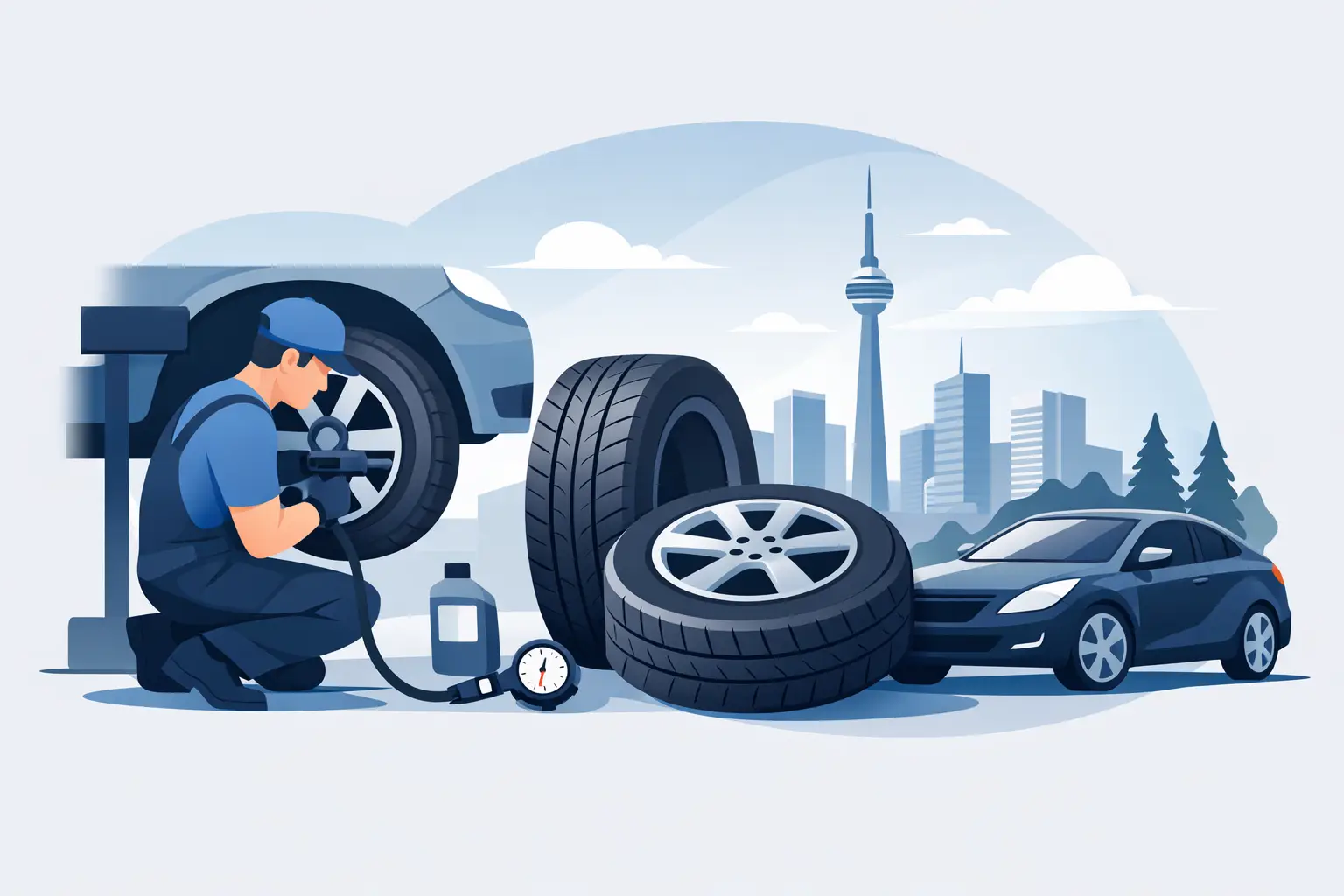
A tire can look fine in the driveway and still be the reason your vehicle pulls, vibrates, takes longer to stop, or loses traction in rain. That is why tire services North York drivers rely on should do more than put new rubber on the wheels. The right service checks the condition of the tire, the wheel, the vehicle’s alignment, and the driving habits that may be shortening tire life.
For commuters, family vehicles, SUVs, work trucks, and commercial fleets, tires are the only part of the vehicle that meets the road. Taking care of them protects handling, braking, fuel economy, and day-to-day confidence behind the wheel.
What Good Tire Service Really Includes
Tire service starts with listening to the concern. Maybe a tire keeps losing air, the steering wheel shakes at highway speed, or you noticed one edge of the tread is wearing faster than the other. These symptoms can have different causes, and replacing a tire without identifying the cause may only postpone the same problem.
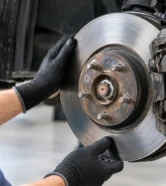
A professional inspection looks at tread depth, uneven wear, sidewall damage, punctures, valve condition, tire pressure, wheel condition, and the age of the tire. It also considers whether the vehicle is due for a rotation, balance, or wheel alignment. Clear answers matter. You should know what needs attention now, what can be monitored, and why the recommendation is being made.
For a straightforward puncture in the repairable area of the tread, a proper repair may be the sensible and more affordable option. A puncture close to the sidewall, a damaged sidewall, or a tire driven while flat is different. In those situations, replacement is often the safer choice. Honest tire service means explaining that difference instead of treating every issue the same way.
Tire Services North York Vehicles Need Through the Year
North York roads ask a lot from tires. Stop-and-go traffic, construction zones, potholes, highway commuting, sharp temperature changes, and winter conditions all affect how tires wear and perform. Seasonal maintenance is not just a calendar task. It is a practical way to spot small issues before they become a roadside problem.
Tire installation and replacement
The best replacement tire is not automatically the most expensive one. It should match your vehicle, wheel size, load requirements, driving conditions, and budget. A commuter who drives mainly city and highway routes may prioritize a quiet ride, wet-road traction, and long tread life. An SUV owner may need stronger load capacity and all-weather confidence. A work vehicle may need a tire built for heavier use.
During installation, the details count. Tires should be mounted carefully, balanced accurately, inflated to the vehicle manufacturer’s recommended pressure, and secured with correctly torqued lug nuts. Proper balancing helps prevent steering wheel vibration and uneven tire wear. It also makes the drive smoother, especially at highway speed.
If you are replacing only one or two tires, ask how the new tires will work with the remaining set. Tread-depth differences can affect handling, and some all-wheel-drive vehicles are particularly sensitive to mismatched tire circumference. The best approach depends on the vehicle and the condition of every tire, not just the one that failed.
Flat tire repair
A nail or screw in the tread does not always mean you need a new tire. But the repair needs to be done correctly. A tire should be removed and inspected from the inside, not simply plugged from the outside and sent back on the road. Internal damage, moisture, and the exact puncture location affect whether the tire can be safely repaired.
Drivers should also avoid traveling far on a low tire whenever possible. Low pressure creates heat and can damage the tire’s internal structure. Even if the tire holds air later, hidden damage may remain. If a warning light comes on or the vehicle feels unstable, have it checked promptly.
Tire rotation and pressure checks
Front and rear tires often wear at different rates, especially on front-wheel-drive vehicles. Rotating tires at regular intervals helps spread that wear more evenly and can extend the usable life of the set. The exact timing depends on the vehicle, tire type, and how you drive, but pairing rotation with routine oil-change-related maintenance is an easy habit for many drivers.
Tire pressure deserves the same attention. Underinflated tires can run hotter, wear faster on the outer edges, and reduce fuel efficiency. Overinflation can make the ride harsher and concentrate wear in the center of the tread. Check pressure when tires are cold, and use the pressure listed on the vehicle’s door-jamb label rather than the maximum pressure printed on the tire sidewall.
Wheel alignment and balancing
Alignment and balancing are different services, but both affect tire life and ride quality. Balancing corrects weight distribution around the wheel and tire assembly. Alignment adjusts the angles that guide how the tires meet the road.
If your vehicle drifts to one side, the steering wheel is off-center, or the tread is wearing unevenly, an alignment inspection is a smart next step. Potholes, curb contact, worn suspension parts, and everyday road impacts can move alignment angles out of specification. The vehicle may still be drivable, but it can wear through a good set of tires much sooner than expected.
Signs You Should Book Tire Service Soon
Tires rarely fail without giving some warning. Pay attention to changes in the way your vehicle feels, especially after a pothole impact or a sudden temperature shift. A quick inspection can often prevent a more expensive replacement later.
Book a check if you notice vibration through the steering wheel or seat, a repeated loss of tire pressure, pulling while driving, a thumping sound, visible cracking, bulges in the sidewall, or tread that looks uneven. Also look for the wear bars built into the tread. When the tread is worn down to those bars, wet-road traction drops significantly and replacement should not be delayed.
Do not ignore a tire pressure monitoring system warning simply because the vehicle still drives normally. The system is there to alert you to a meaningful pressure change. It may be a simple seasonal pressure drop, but it may also point to a puncture, damaged wheel, leaking valve, or slow bead leak.
Seasonal Tires: A Practical Safety Decision
Choosing between all-season, all-weather, and winter tires depends on how and where you drive. All-season tires work well for many drivers in mild conditions, but they are not designed to deliver the same cold-weather grip as a dedicated winter tire. When temperatures stay near freezing, tire compound and tread design matter as much as the depth of the grooves.
For drivers who face regular snow, ice, slush, or early-morning winter commutes, a dedicated winter set can provide more dependable traction for accelerating, turning, and stopping. All-weather tires can be a practical middle ground for some vehicles and driving patterns, particularly for drivers seeking year-round convenience. The trade-off is that they may not match a dedicated winter tire in severe conditions or a premium all-season tire in warm-weather handling and tread life.
Seasonal changeovers are also a good time to inspect brakes, suspension components, and wheel condition. Tires tell a story about the vehicle. Uneven wear may reveal an alignment issue, a weak suspension part, or a brake concern that deserves attention before another season of driving.
Tire Care for Commercial and Heavy-Duty Vehicles
For commercial operators, tire problems affect more than one trip. A flat, damaged tire, or vibration issue can delay deliveries, interrupt jobsite work, and create avoidable downtime. Heavy trucks, industrial vehicles, and equipment need service that accounts for load, usage, tire construction, and operating conditions.
Regular inspections are especially valuable for vehicles that carry heavy loads, travel long distances, or operate around construction debris. Small cuts, irregular wear, and pressure loss can become larger failures under load. Fast, capable service helps keep equipment working while supporting the safety of drivers and crews.
JAK Tire Service Corp provides tire and mechanical support for both everyday vehicles and commercial equipment, with practical recommendations built around the job your vehicle needs to do. Whether the concern is a passenger-car tire repair or a heavy-duty service issue, the goal is the same: clear communication, fair pricing, and work done correctly.
Before your next long drive, seasonal changeover, or busy workweek, take two minutes to look at your tires. Check for visible damage, confirm the pressure, and notice whether the vehicle is driving differently than usual. Acting early gives you more options and helps keep every mile safer.