

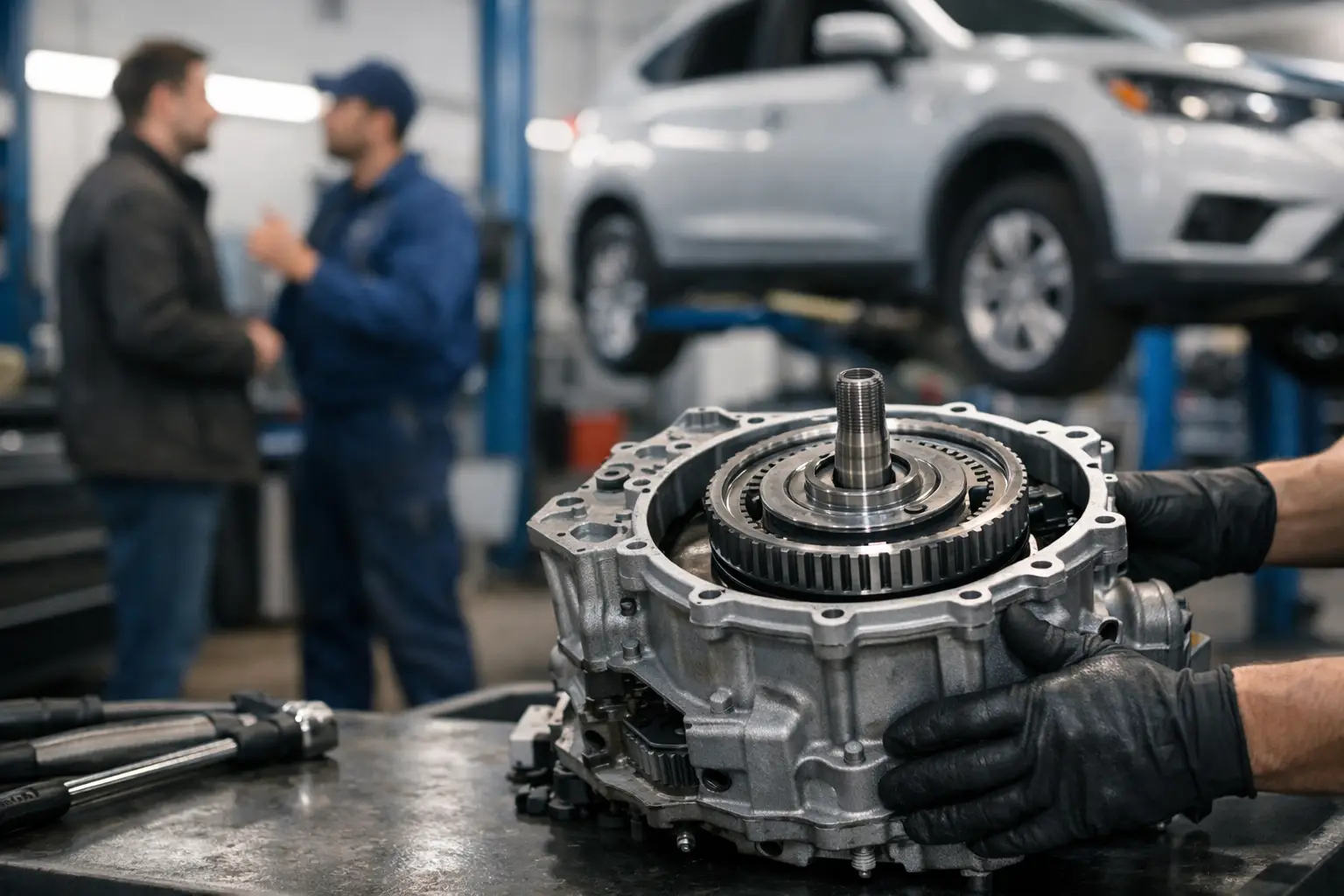
A transmission problem rarely starts with a complete breakdown. More often, it begins with a hesitation leaving a stoplight, a rough shift on the way to work, or a faint whining sound that was not there last week. For drivers seeking transmission repair North York service, acting on those early changes can mean the difference between a targeted repair and a much larger bill.
Your transmission sends engine power to the wheels at the right speed for the conditions. Whether your vehicle has an automatic, manual, CVT, or dual-clutch transmission, it depends on clean fluid, proper pressure, working electronics, and healthy internal components. When one part of that system is not doing its job, the vehicle will usually tell you.
Signs You May Need Transmission Repair in North York
A delayed shift is one of the clearest warning signs. You press the accelerator, the engine revs, and the vehicle takes an extra moment to move or change gears. It may be more noticeable when the car is cold, during highway merging, or while climbing a hill. A single unusual shift does not always mean major damage, but repeated hesitation deserves a professional inspection.
Pay attention to how the vehicle feels between gears. Hard shifting, shuddering, slipping, or a sudden surge can point to low or worn transmission fluid, a failing solenoid, sensor trouble, or internal wear. In a CVT-equipped vehicle, drivers may notice a droning sound, vibration, or a feeling that engine speed rises without a matching increase in road speed.
Other symptoms are less dramatic but still worth checking. A red or brown puddle under the vehicle may be transmission fluid, especially if it has a slightly sweet or burnt odor. A burning smell, grinding noise, dashboard warning light, or a vehicle that will not engage Drive or Reverse should never be ignored. If the vehicle loses power while moving or will not shift properly in traffic, pull over safely and arrange service rather than trying to drive through the issue.
Why Accurate Diagnosis Comes Before Transmission Repair
Transmission complaints can feel similar to engine, brake, wheel, or drivetrain problems. For example, an engine misfire can create a jerking sensation that seems like a harsh shift. A worn engine mount can cause a clunk during gear engagement. Low battery voltage or an electrical fault may interfere with electronically controlled shifting.
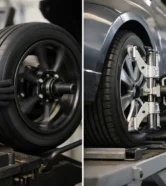
That is why a proper diagnosis matters. A professional mechanic should begin by discussing when the symptom occurs: cold starts, stop-and-go driving, highway speeds, towing, or only after the vehicle has warmed up. The inspection may include checking for leaks, reviewing fluid condition, scanning for diagnostic trouble codes, road testing the vehicle, and assessing related systems.
Clear answers protect you from unnecessary work. A fluid leak at a line or seal is not the same problem as internal clutch damage. A failed sensor is different from a worn transmission. At JAK Tire Service Corp, the goal is to identify the actual cause, explain the recommended repair in plain language, and help you make a confident decision based on safety, reliability, and cost.
What Transmission Fluid Can Tell a Technician
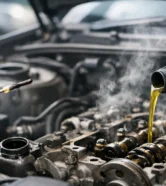
Transmission fluid does more than lubricate moving parts. In many automatic transmissions, it also helps control hydraulic pressure and transfer power. Fluid that is low, dirty, overheated, or contaminated can affect shift quality and accelerate wear.
Fresh fluid is often red or pink, though the exact appearance varies by manufacturer and fluid type. Dark fluid or a burnt smell can signal overheating or friction-material wear. That does not automatically mean a transmission needs replacement. It does mean the system needs closer attention before a simple maintenance issue becomes a more serious repair.
The right service also depends on the vehicle. Some manufacturers specify particular fluids and service intervals, while others describe the fluid as long-life under normal driving conditions. North York commuting, heavy traffic, frequent short trips, commercial use, towing, and extreme temperature changes can all be harder on a transmission than ideal test conditions. Using the incorrect fluid or delaying a needed service can create problems, so vehicle-specific recommendations matter.
Repair, Rebuild, or Replace: What Makes Sense?
There is no one-size-fits-all answer to a transmission issue. The best option depends on the diagnosis, the vehicle’s age and value, mileage, overall condition, and how long you plan to keep it.
A minor repair may involve resealing a leak, replacing a sensor, repairing wiring, servicing fluid, or replacing an external component such as a solenoid. These repairs can restore normal operation without removing the transmission from the vehicle.
If internal components have significant wear, a rebuild or replacement may be considered. A rebuild addresses worn or damaged internal parts, while a replacement may involve a remanufactured or used unit depending on availability and budget. A used transmission can cost less upfront, but its history may be unknown. A remanufactured unit may offer greater consistency, though it usually costs more. Your mechanic should explain the trade-offs clearly, including parts availability, labor, expected outcome, and warranty details.
The lowest estimate is not always the best value if it skips diagnostic work, uses unsuitable parts, or leaves the original cause unaddressed. Honest pricing means understanding what is being repaired and why, not simply choosing the quickest number on paper.
How to Reduce Transmission Wear
No maintenance plan can prevent every mechanical failure, but regular vehicle care gives your transmission its best chance of lasting. Follow the manufacturer’s maintenance schedule and have leaks checked promptly. Even a small leak can lower fluid levels over time and lead to overheating or poor shifting.
Avoid aggressive acceleration when the vehicle is cold, particularly on winter mornings. Give the engine and transmission a brief moment to circulate fluid before placing heavy demand on the vehicle. If you tow a trailer, carry heavy loads, drive a work truck, or spend long days in stop-and-go delivery traffic, ask whether your vehicle needs a more frequent transmission inspection or fluid service.
Good habits around the rest of the vehicle help, too. Keep up with engine diagnostics, cooling-system repairs, battery service, and oil changes. Modern transmissions rely on electronic signals and stable operating temperatures. A neglected cooling problem or electrical issue can contribute to transmission trouble over time.
When You Should Stop Driving
Some transmission symptoms call for a prompt appointment. Others call for stopping immediately. Do not continue driving if the transmission will not engage properly, the vehicle slips badly during acceleration, you smell strong burning fluid, or a warning light appears with a major loss of power. Continuing to drive can cause additional internal damage and leave you stranded in an unsafe place.
If the issue is mild but consistent, schedule an inspection soon. Waiting for a noise or shift concern to become constant rarely makes the repair easier. Early diagnosis is the practical choice for family vehicles, commuter cars, fleet vans, SUVs, and trucks that need to stay dependable.
Questions Drivers Often Ask
Can a transmission be repaired without being replaced?
Yes. Many transmission concerns are caused by leaks, fluid condition, sensors, solenoids, wiring, or related engine and electrical issues. Diagnosis determines whether a focused repair is possible or whether internal transmission work is needed.
Is it safe to drive with a transmission warning light on?
It depends on how the vehicle is behaving, but it should be checked as soon as possible. If the vehicle is shifting harshly, slipping, losing power, or showing a flashing warning light, stop driving when safe and arrange service.
How long does transmission repair take?
Timing depends on the diagnosis and parts availability. A fluid service or external repair may be completed much faster than internal transmission work. A repair center should give you a realistic timeline after inspection rather than guessing before the cause is confirmed.
A transmission should make driving feel predictable: smooth pull-away, confident acceleration, and the right response when you need it. If your vehicle feels different, trust that change and have it checked before a small warning turns into a major interruption.