
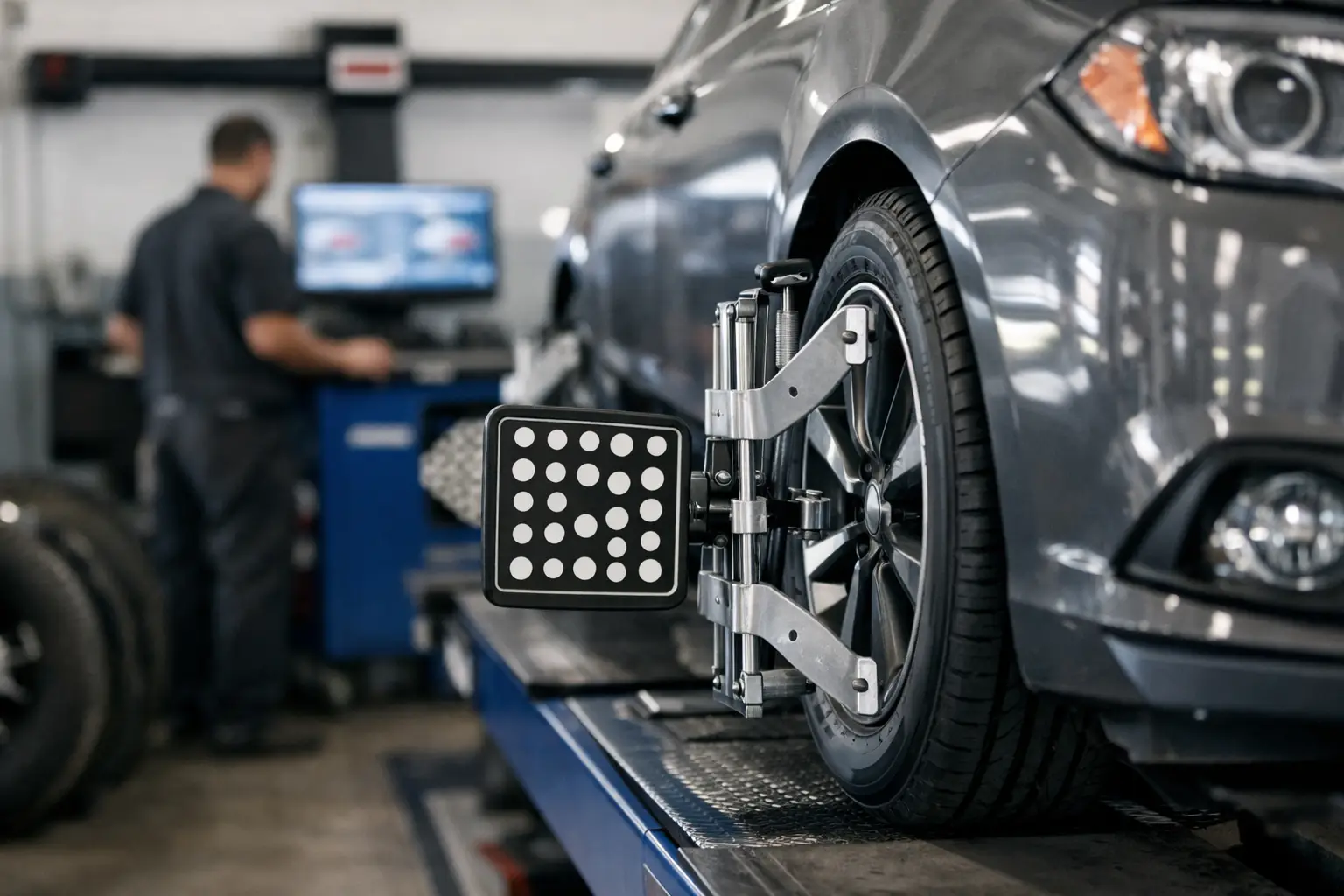
A steering wheel that sits slightly off-center on the 401 may seem like a small annoyance. But when your vehicle pulls toward one lane, your tires wear unevenly, or the ride feels unsettled, it is time to consider wheel alignment North York drivers can rely on. Alignment is not just about keeping the steering wheel straight. It protects your tires, improves handling, and helps your vehicle respond predictably when traffic stops suddenly.
For commuters, families, SUV owners, and commercial drivers, a proper alignment is a practical safety service. It helps make sure the tires meet the road at the angles your vehicle manufacturer intended.
What Wheel Alignment Actually Corrects
Wheel alignment adjusts the angles of your wheels and tires so they point and sit correctly in relation to the road and each other. Despite the name, the wheels themselves are not being physically straightened. A technician measures and adjusts key suspension angles, including toe, camber, and caster.
Toe describes whether tires point slightly inward or outward when viewed from above. Even a small toe error can scrub rubber off the tire tread quickly. Camber is the inward or outward tilt of the tire when viewed from the front. Too much positive or negative camber often creates wear on one edge of the tire. Caster affects steering stability and how well the steering wheel returns after a turn.
These adjustments work together. That is why alignment should be handled with proper measuring equipment and a careful inspection, not guessed at from the way a tire looks.
Signs You May Need Wheel Alignment in North York
North York roads give suspensions a workout. Potholes, rough pavement, curb contact, construction zones, and hard impacts can all knock alignment angles out of specification. The change may happen immediately after one impact, or gradually as steering and suspension parts wear.
A vehicle does not always pull dramatically when alignment is off. In some cases, the only warning is unusual tire wear. Watch for these common signs:
- Your vehicle drifts or pulls left or right on a reasonably level road.
- The steering wheel is crooked while you are driving straight.
- One tire edge is wearing faster than the rest of the tread.
- Your tires make more road noise than usual or feel like they are scrubbing.
- The vehicle feels less stable after turns or during highway driving.
A pull can also be caused by low tire pressure, uneven tire wear, a damaged tire, or a brake issue. That is why a professional inspection matters. The goal is to identify the real cause instead of selling an adjustment that will not solve the problem.
Why Uneven Tire Wear Costs More Than You Expect
Tires are a major investment, especially on larger SUVs, pickups, performance vehicles, and commercial vans. When alignment is off, the tread can wear out long before the tire has reached its expected service life. A tire may still have deep tread through the center but be badly worn on the inside or outside shoulder.
That uneven wear also reduces the tire’s ability to grip wet roads, manage slush, and stop effectively. In the Greater Toronto Area, where weather and road conditions can change quickly, predictable traction matters. Replacing one prematurely worn tire can also create a mismatch in tread depth, which may be a concern for all-wheel-drive vehicles.
Correcting alignment early is often less expensive than replacing tires early. It can also prevent a minor suspension concern from becoming a larger repair. If an alignment cannot be set because a component is loose, bent, or worn, the technician should explain what needs attention and why before moving ahead.
Wheel Alignment vs. Tire Balancing
Alignment and balancing are often requested together, but they fix different problems. Alignment addresses the direction and angle of the tires. Tire balancing addresses weight distribution around the wheel and tire assembly.
If your steering wheel shakes at certain highway speeds, a balance issue is more likely. If the vehicle pulls, the steering wheel is off-center, or tire edges are wearing unevenly, alignment is more likely. Both services may be needed after installing new tires, but one does not replace the other.
Tire condition also matters. A badly cupped, separated, or unevenly worn tire may continue to create vibration or noise even after alignment is corrected. Honest service means looking at the full picture before recommending the next step.
When Should You Schedule an Alignment Check?
There is no single mileage interval that fits every vehicle and driver. Many drivers benefit from checking alignment at least once a year, particularly if they commute frequently, drive on rough roads, or have recently installed new tires. It is also smart to have it checked after a significant pothole hit, curb strike, suspension repair, or collision.
New tires are an especially good time for a check. Installing quality tires on a misaligned vehicle can shorten their life from the first miles. A quick inspection before or during installation gives you a better chance of getting the value you paid for.
For trucks, work vans, and vehicles that regularly carry heavy loads, alignment needs can be different. Load weight, frequent stops, and demanding road conditions put added stress on suspension and steering components. Commercial operators should treat alignment as part of preventive maintenance, not wait until a tire failure or handling complaint causes downtime.
What Happens During a Professional Alignment Service
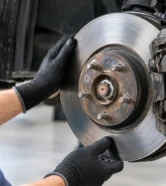
A proper alignment starts with more than mounting sensors and reading a screen. The technician should first check tire pressure, tire condition, and visible steering and suspension components. Worn ball joints, tie rods, control arm bushings, wheel bearings, or struts can prevent an accurate, lasting adjustment.
Next, the vehicle is measured against manufacturer specifications. The technician makes available adjustments, centers the steering wheel, and verifies the final readings. Some vehicles have limited adjustment range from the factory, while others may need additional parts if an impact has bent a component or a suspension part has worn out.
The best outcome is not simply getting numbers into a green range. It is a vehicle that tracks straight, responds consistently, and wears tires evenly over time. At JAK Tire Service Corp, the focus is on clear explanations, precision work, and recommendations that make sense for your vehicle and driving needs.
Simple Habits That Help Your Alignment Last
No alignment can eliminate damage from every road hazard, but a few driving and maintenance habits can help. Keep tires inflated to the pressure listed on your vehicle’s door-jamb label, not the maximum pressure printed on the tire sidewall. Rotate tires on schedule so wear patterns are easier to spot early.
Slow down for potholes and avoid climbing curbs whenever possible. If you hit something hard enough to hear or feel a sharp impact through the steering wheel, pay attention to how the vehicle drives afterward. A prompt inspection may catch a bent wheel, tire damage, or alignment issue before it affects safety and tire life.
When your vehicle feels different, trust that change. A straight steering wheel, even tire wear, and stable handling make every trip feel more controlled – from school drop-offs and daily commutes to long highway drives. Booking an alignment check at the first sign of trouble is a simple way to keep small issues from following you down the road.