

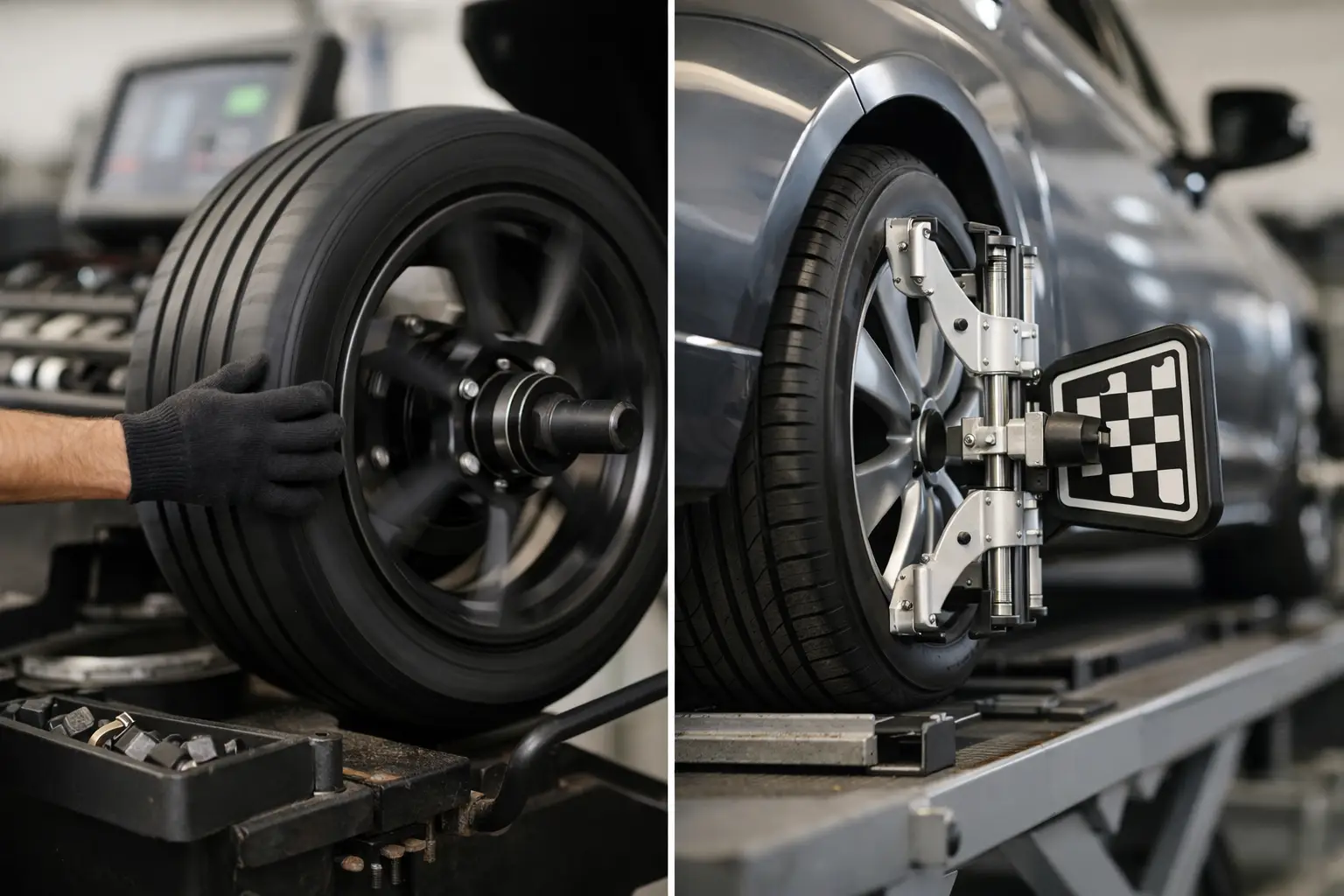
A steering wheel that shakes at highway speed and a vehicle that drifts toward one lane can both make a drive feel wrong, but they do not point to the same repair. Understanding wheel balancing versus alignment service helps you approve the right work, protect your tires, and get back to a smoother, more confident drive without paying for services you do not need.
Wheel Balancing Versus Alignment Service: The Core Difference
Wheel balancing corrects uneven weight around the tire and wheel assembly. Even a new tire can have slightly heavier and lighter areas. A technician uses a balancing machine to measure that imbalance, then attaches small, precise weights to offset it. The result is a wheel that spins smoothly rather than wobbling or vibrating at speed.
Wheel alignment, often called a front-end alignment, adjusts the angles of the wheels through the vehicle’s steering and suspension components. Those angles determine how the tires meet the road, track straight, and turn. Alignment does not add weights to the wheels, and balancing does not adjust suspension angles.
The two services are often performed around the same time because both affect ride quality and tire life. They solve different problems, though. If a shop recommends both, a clear explanation of the symptoms and inspection findings should come with that recommendation.
What Wheel Balancing Fixes
A balanced wheel rotates evenly. When it is out of balance, the uneven mass becomes more noticeable as speed increases. You may barely feel it on local streets, then notice a distinct shake at 55 mph or faster.
The most common sign is vibration through the steering wheel, seat, or floor. Front-wheel imbalance is often felt more strongly in the steering wheel. Rear-wheel imbalance may be felt through the seat or the entire cabin. The sensation can come and go depending on road speed, which is one reason drivers sometimes mistake it for an engine or transmission issue.
Balancing is commonly needed when new tires are installed, when tires are remounted after a repair, or when a wheel weight falls off. It can also help after a hard impact with a pothole, although an impact can cause other damage that balancing alone cannot correct.
A technician should inspect the tire and wheel before balancing. A bent wheel, tire with internal damage, separated tread, or severely uneven tire wear may create vibration that will return even after a standard balance. In those cases, the honest repair may involve wheel repair, tire replacement, or suspension work rather than repeatedly adding weights.
Why balancing matters beyond comfort
Persistent vibration is more than an annoyance on a long commute. It can accelerate uneven tire wear and place added stress on steering and suspension parts. It may also make it harder to notice a separate issue developing in the vehicle.
Routine balancing is especially useful for drivers who spend significant time on highways, including commuters, rideshare drivers, delivery vehicles, and fleets. Smooth rotation helps tires wear more evenly and makes daily driving less tiring.
What Wheel Alignment Fixes
Alignment focuses on three primary measurements: camber, caster, and toe. Camber is the inward or outward tilt of the tire when viewed from the front. Caster affects steering stability and the steering wheel’s return after a turn. Toe describes whether tires point slightly inward or outward when viewed from above.
These settings are designed to work together. When they are within the manufacturer’s specifications, the vehicle tracks predictably and the tire tread contacts the pavement as intended. When they are out of specification, tires can scrub across the road instead of rolling cleanly.
You may need an alignment if the vehicle pulls or drifts on a level road, the steering wheel sits crooked while driving straight, or the tires show uneven edge wear. A vehicle that feels unstable, wanders, or requires constant steering correction also deserves an inspection.
Potholes, curbs, road construction, and worn suspension components can all affect alignment. That is particularly relevant for drivers dealing with rough roads, winter potholes, or frequent city driving. Lowered vehicles, trucks with suspension modifications, and heavily loaded work vehicles may also need alignment checks more often because their suspension geometry and tire demands can change.
Alignment is not a cure for every pull
A pull does not automatically mean the alignment is off. Tire pressure differences, mismatched tires, a damaged tire, brake drag, road crown, or loose suspension components can cause similar symptoms. A professional inspection separates these possibilities before adjustments are made.
Likewise, an alignment cannot correct a worn ball joint, bent suspension part, or damaged control arm. Those parts must be repaired first. Aligning a vehicle with loose or damaged components may produce readings that cannot be held reliably once it returns to the road.
How Tire Wear Tells the Story
Your tires often provide the clearest clue about which service may be needed. Smooth, even tread wear generally means the tires are meeting the road properly. Wear patterns tell a different story.
Feathering, where one edge of each tread block feels sharp and the other feels rounded, often points to a toe issue. Excessive wear on the inside or outside edge can suggest camber concerns, though worn suspension parts and driving conditions also need consideration. Cupping or scalloped dips around the tire may be related to imbalance, weak shocks or struts, or other suspension concerns.
Because several conditions can create similar patterns, tire wear should not be diagnosed from a quick glance alone. A technician should check tire pressure, tread depth, wheel condition, balance, suspension play, and alignment readings. This approach avoids replacing tires or ordering an alignment when the root cause is elsewhere.
When You Need One Service, Both, or Neither
If your only symptom is a speed-specific vibration and the car tracks straight with even tire wear, balancing is often the first service to investigate. If there is no vibration but the vehicle pulls, the steering wheel is off-center, or tire edges are wearing quickly, alignment is more likely.
You may need both after installing new tires, striking a major pothole, or noticing vibration along with irregular wear and poor tracking. Tire installation normally includes balancing. Alignment is not always required with every tire purchase, but it is a smart check when old tires show uneven wear or the vehicle has steering symptoms.
Neither service should be treated as a fixed calendar appointment for every vehicle. Maintenance timing depends on driving conditions, tire condition, vehicle age, and recent impacts. Still, checking alignment during regular tire inspections or at the first sign of abnormal wear can prevent a small adjustment from becoming an early tire replacement.
What to Expect From a Professional Visit
A quality service visit starts with listening. Describe when the vibration occurs, whether the vehicle pulls, whether the problem appeared after an impact, and whether you recently installed tires or had suspension repairs. Those details help narrow the diagnosis quickly.
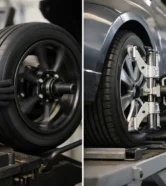
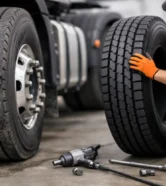
For balancing, the technician removes the wheel, checks the tire and rim, and uses calibrated equipment to identify where weight must be added. For alignment, the vehicle is placed on alignment equipment that measures all four wheel positions. The technician checks for worn steering or suspension components before making adjustments and should provide clear results showing the relevant measurements.
At JAK Tire Service, the goal is practical: identify the cause, explain the repair in plain language, and perform only the work that supports safe, reliable driving. That means being upfront when a tire, wheel, or suspension issue needs attention before balancing or alignment can deliver lasting results.
Protecting Tires Between Services
Maintaining correct tire pressure is one of the simplest ways to support both ride quality and tire life. Check it regularly when tires are cold and use the pressure listed on the vehicle’s door placard, not the maximum pressure printed on the tire sidewall.
Tire rotations also matter. Rotating tires at the interval recommended for your vehicle helps distribute normal wear across all four positions. During rotation, ask for a tread and wear-pattern check. It is an efficient time to catch imbalance, alignment concerns, or suspension issues before they affect a full set of tires.
When a vibration, pull, or unusual tread pattern appears, do not wait for the next scheduled oil change to mention it. A prompt inspection can preserve tire life, improve steering control, and keep a minor issue from becoming a more expensive repair.