

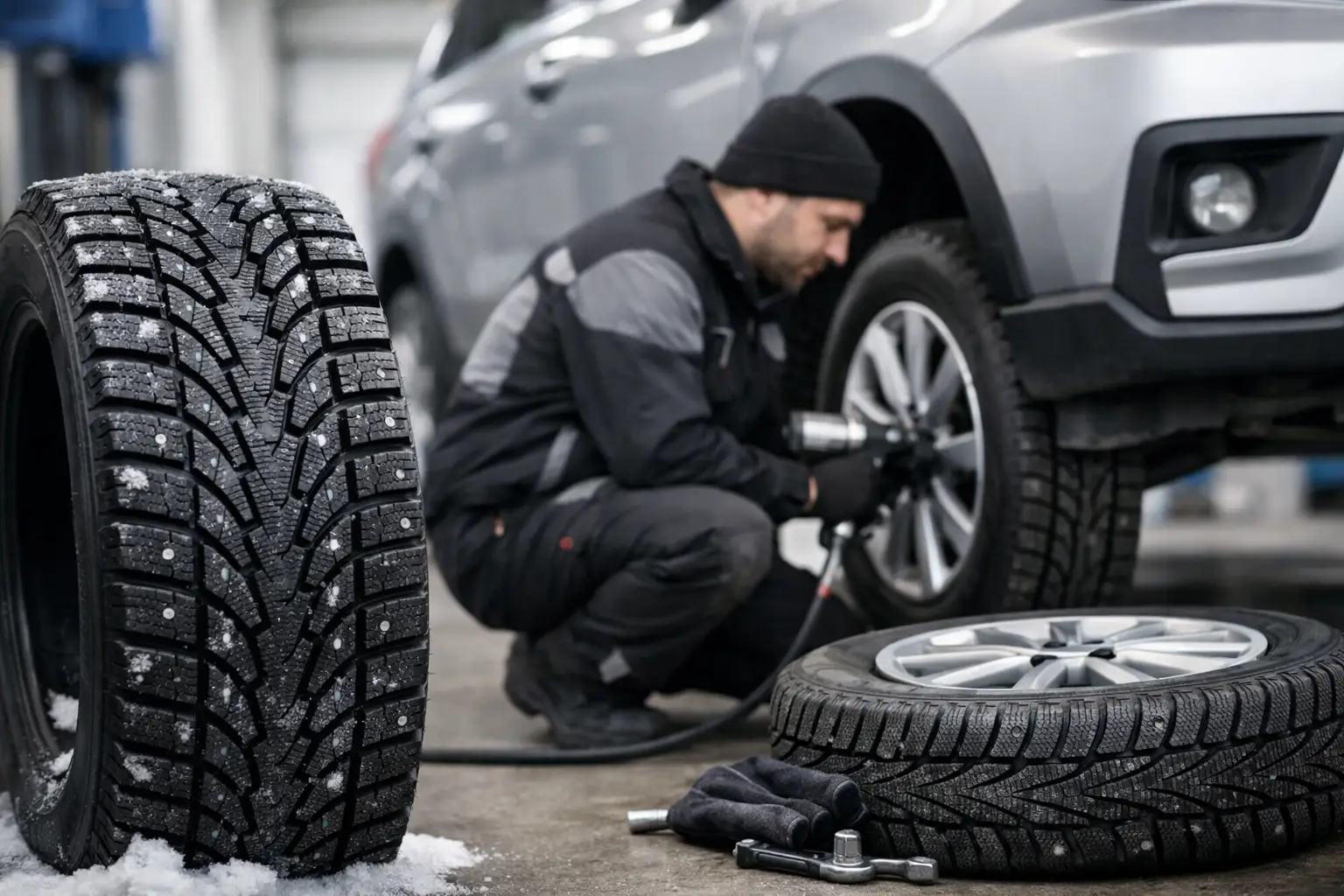
The first real winter drive in North York rarely begins on a perfectly plowed road. It starts with a cold morning, a damp parking lot, and traffic already moving before the snow crews have caught up. Winter tire installation North York drivers schedule before that first storm is one of the most practical ways to improve braking, traction, and control when conditions change fast.
Winter tires are not just for deep snow. Their rubber stays more flexible in cold temperatures, helping the tire grip cold pavement, slush, packed snow, and icy patches better than a typical all-season tire. For commuters, families, SUV owners, and anyone driving across the GTA through winter, that extra control can make everyday trips feel less uncertain.
When to Book Winter Tire Installation in North York
A good rule is to switch to winter tires when daytime temperatures are regularly near 45 degrees Fahrenheit or 7 degrees Celsius. At that point, the advantage is not limited to snowy days. Cold, dry pavement can reduce the effectiveness of many all-season compounds, while a true winter tire is designed to keep working in low temperatures.
Waiting for the first major snowfall creates two problems. Appointment times fill quickly, and you may need to drive on unsuitable tires while roads are at their worst. Booking ahead gives your vehicle time to be inspected properly and helps you avoid the seasonal rush.
The ideal week depends on the weather forecast and how much you drive. A daily commuter who travels early in the morning or late at night may want to book earlier than someone whose vehicle stays parked during bad weather. Drivers who regularly travel between North York, Toronto, Vaughan, Markham, Scarborough, or other GTA communities should also plan for changing road conditions along the route.
Why Winter Tires Make a Noticeable Difference
All-season tires are designed as a compromise. They can handle a wide range of ordinary conditions, but they are not built specifically for extended cold, snow, or ice. Winter tires use a softer compound and deeper tread patterns with many small gripping edges, often called sipes. Those features help move slush away from the contact patch and give the tire more bite on slippery surfaces.
The benefit drivers often notice first is braking confidence. A vehicle may have anti-lock brakes, traction control, and all-wheel drive, but none of those systems can create grip where the tires do not have it. All-wheel drive can help you get moving, yet it does not automatically help you stop or turn safely. Four quality winter tires give these systems a better foundation to work with.
That said, winter tires are not a guarantee against sliding. Safe following distance, lower speeds, smooth steering, and gentle braking still matter. They are one important part of winter readiness, alongside a healthy battery, functioning brakes, clear visibility, and tires inflated to the correct pressure.
Winter Tires, All-Weather Tires, and All-Season Tires
The best choice depends on how and where you drive. A dedicated winter tire is usually the strongest option for drivers who face frequent snow, icy side streets, early-morning commutes, or regular highway travel through the GTA. It is also a smart choice for families who want the most dependable cold-weather traction from their vehicle.
All-weather tires can be a reasonable middle ground for lower-mileage drivers who want one set of tires year-round and are prepared to accept some trade-offs. They carry a winter traction designation, but their performance and wear characteristics can vary by model. They may not match a dedicated winter tire in severe conditions, and they may wear faster than an all-season tire during hot weather.
All-season tires can be suitable for mild temperatures and light seasonal changes, but they are not a substitute for winter tires when North York roads are consistently cold, snowy, or icy. The tire sidewall marking matters. A mountain snowflake symbol indicates a tire that meets a recognized winter traction standard. If you are unsure what is on your vehicle now, a tire professional can check the markings and tread condition before recommending a replacement.
What Professional Winter Tire Installation Includes
A proper installation is more than removing one set of wheels and putting on another. The condition of the tires, wheels, valve components, and mounting surfaces all affect how the vehicle drives afterward.
At JAK Tire Service Corp, the goal is straightforward: tires done right, every time. A professional seasonal service should include checking that the tire size, load rating, and speed rating are appropriate for the vehicle; inspecting tread depth and tire age; mounting and balancing tires when needed; and tightening wheel fasteners to the manufacturer’s specified torque.
Wheel balancing deserves attention because it helps prevent steering-wheel vibration and uneven tire wear. If a vehicle shakes at certain speeds after a tire change, a balance issue is one possible cause, though wheel damage, suspension wear, or alignment concerns may also be involved. Addressing the cause early protects ride comfort and avoids unnecessary wear.
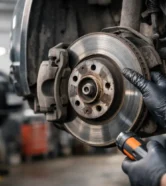
Technicians should also inspect for visible sidewall damage, punctures, uneven tread wear, bent wheels, and corrosion around the wheel hub. These are small details that can affect how securely a wheel sits and how well a tire holds air through the season.
Tire Pressure Sensors and Reset Procedures
Many newer vehicles use a tire pressure monitoring system, or TPMS. Depending on the vehicle, switching to a winter wheel and tire package may require sensor transfer, new compatible sensors, or a reset procedure. A warning light after installation does not always mean there is a puncture, but it should not be ignored.
Cold weather naturally lowers tire pressure. Checking pressure regularly throughout the season is important because even a healthy tire can lose pressure as temperatures fall. The correct pressure is listed on the driver’s door-jamb label, not on the tire sidewall. Keeping all four tires properly inflated supports handling, braking, tread life, and fuel efficiency.
Do You Need an Alignment With Winter Tires?
Not every seasonal tire change requires a wheel alignment. If the vehicle tracks straight, the steering wheel is centered, and all four tires show even wear, an alignment may not be necessary. Still, winter tire installation is a convenient time to look closely at the tires coming off the vehicle.
Uneven wear on the inside or outside edge, feathering across the tread, or a vehicle that pulls to one side can point to an alignment or suspension issue. Potholes, curb contact, and worn steering components are common causes. Installing fresh winter tires without correcting an alignment problem can shorten the life of the new set and reduce the traction you paid for.
A proper inspection provides clear answers. If an alignment is needed, it should be explained with the symptoms and measurements involved, not treated as an automatic add-on.
Preparing Your Vehicle for the Changeover
Before your appointment, make sure any locking wheel-nut key is in the vehicle. If you use a second set of wheels, confirm that the tires are clearly identified and that all parts, including center caps or special lug nuts, are available. Let the shop know if you have noticed vibration, a slow leak, pulling, dashboard warning lights, or unusual brake noise. These details help technicians look beyond the basic tire change.
It is also worth checking the rest of the vehicle before winter driving becomes routine. Brake inspections, battery testing, wiper replacement, fluid checks, and lighting checks are practical services because winter exposes weak components quickly. A battery that starts the vehicle easily in mild weather can struggle after a sharp temperature drop.
For drivers with commercial vans, trucks, or equipment, planning matters even more. Seasonal tire service and mechanical inspections can reduce unplanned downtime when schedules are tight and weather delays are already costly.
FAQs About Winter Tires in North York
Should winter tires go on all four wheels?
Yes. Installing winter tires on all four wheels gives the vehicle more balanced braking and cornering. Using only two winter tires can create uneven grip between the front and rear of the vehicle, which may make handling less predictable on slippery roads.
How much tread do winter tires need?
Legal minimum tread and safe winter tread are not the same thing. Winter performance declines as the grooves become shallow. Many drivers begin considering replacement when winter-tire tread reaches about 6/32 of an inch, especially if they regularly drive in snow. A technician can measure the tread and explain whether the tires still have useful winter life.
Can winter tires stay on all year?
They can, but it is usually not the best value. Warm pavement can wear the softer compound faster and may affect handling. Changing back to an appropriate warm-weather tire helps preserve the winter set for the conditions it was designed to handle.
The best time to book is before winter driving becomes urgent. A planned tire change gives you time to choose the right tires, inspect the vehicle carefully, and head into the next cold morning with safer stopping and more confident control.