

A rough idle at a red light, slow acceleration on the 401, or fuel stops that seem to come too often can all raise the same question: is it time for a car tune up service? For many drivers, the answer is not a single, one-size-fits-all package. A proper tune-up is a targeted maintenance visit that addresses the parts and systems affecting how your engine starts, runs, responds, and uses fuel.
Modern vehicles are more advanced than older cars, but they still need regular attention. Spark plugs wear, filters become restricted, fluids degrade, and small faults can turn into expensive repairs when they are ignored. The right service starts with a clear inspection and honest recommendations based on your vehicle, mileage, maintenance history, and symptoms.
What a Car Tune Up Service Includes
Years ago, a tune-up often meant replacing points, adjusting a carburetor, and setting ignition timing by hand. Most vehicles now use electronic ignition, fuel injection, sensors, and onboard computers. That means a modern tune-up is less about making manual adjustments and more about inspecting, testing, maintaining, and replacing worn service items at the correct interval.
The exact work depends on the make and model. A newer vehicle with 30,000 miles may only need an inspection, air filter review, and a check of key fluid levels. A higher-mileage vehicle may need spark plugs, ignition component testing, throttle body cleaning, or fuel system service. A dependable repair shop should explain what is due, what is optional, and what needs attention now.
A car tune up service commonly includes a review of the engine air filter, cabin filter, spark plugs, ignition coils or wires where applicable, fuel and air delivery, battery condition, belts, hoses, and fluid levels. Technicians may also scan the vehicle computer for stored fault codes, even if the check engine light is not currently on. This helps identify intermittent issues before they affect reliability.
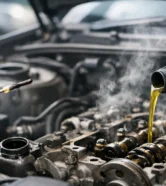
It may also include checking the condition of engine oil, coolant, brake fluid, transmission fluid, and windshield washer fluid. Not every fluid needs replacement during a tune-up. Replacing fluids too early can waste money, while waiting too long can affect component life. The owner’s manual and the condition of the vehicle should guide that decision.
Signs It Is Time to Schedule Service
Mileage is useful, but your vehicle often gives you practical clues that it needs attention. A tune-up inspection is worth scheduling if the engine is hard to start, idles unevenly, hesitates when accelerating, stalls, or feels less responsive than usual. A noticeable drop in gas mileage is another common sign, especially when there has been no change in driving habits.
The check engine light should never be treated as a routine tune-up reminder. It may point to a simple issue, such as a loose gas cap or aging spark plug, but it can also indicate a misfire, emissions issue, or sensor problem. Prompt diagnostics are the safe move. Continuing to drive with a flashing check engine light can cause catalytic converter damage and lead to a far more costly repair.
Pay attention to changes that happen in specific conditions. If the engine struggles only during cold starts, under heavy acceleration, or with the air conditioning running, that detail can help a technician narrow down the cause. Clear information saves diagnostic time and helps avoid replacing parts that are not actually at fault.
Tune-Up Intervals Depend on Your Vehicle
There is no universal mileage number for every car tune up service. Some older vehicles may require spark plug replacement around 30,000 miles, while many newer vehicles use long-life plugs designed for 60,000 to 100,000 miles or more. Driving conditions matter too.
Frequent short trips, stop-and-go commuting, rideshare driving, delivery work, towing, and long periods of idling are harder on many systems than steady highway travel. In the GTA, winter cold, road salt, and changing temperatures can also affect batteries, filters, belts, and electrical connections. A vehicle used heavily for work may need maintenance sooner than one driven only on weekends.
The best starting point is your manufacturer maintenance schedule. If you bought a used vehicle without complete records, an inspection can establish a sensible maintenance baseline. That approach is often more useful than buying a generic package that may include work your vehicle does not need.
Why Spark Plugs Matter More Than Drivers Expect
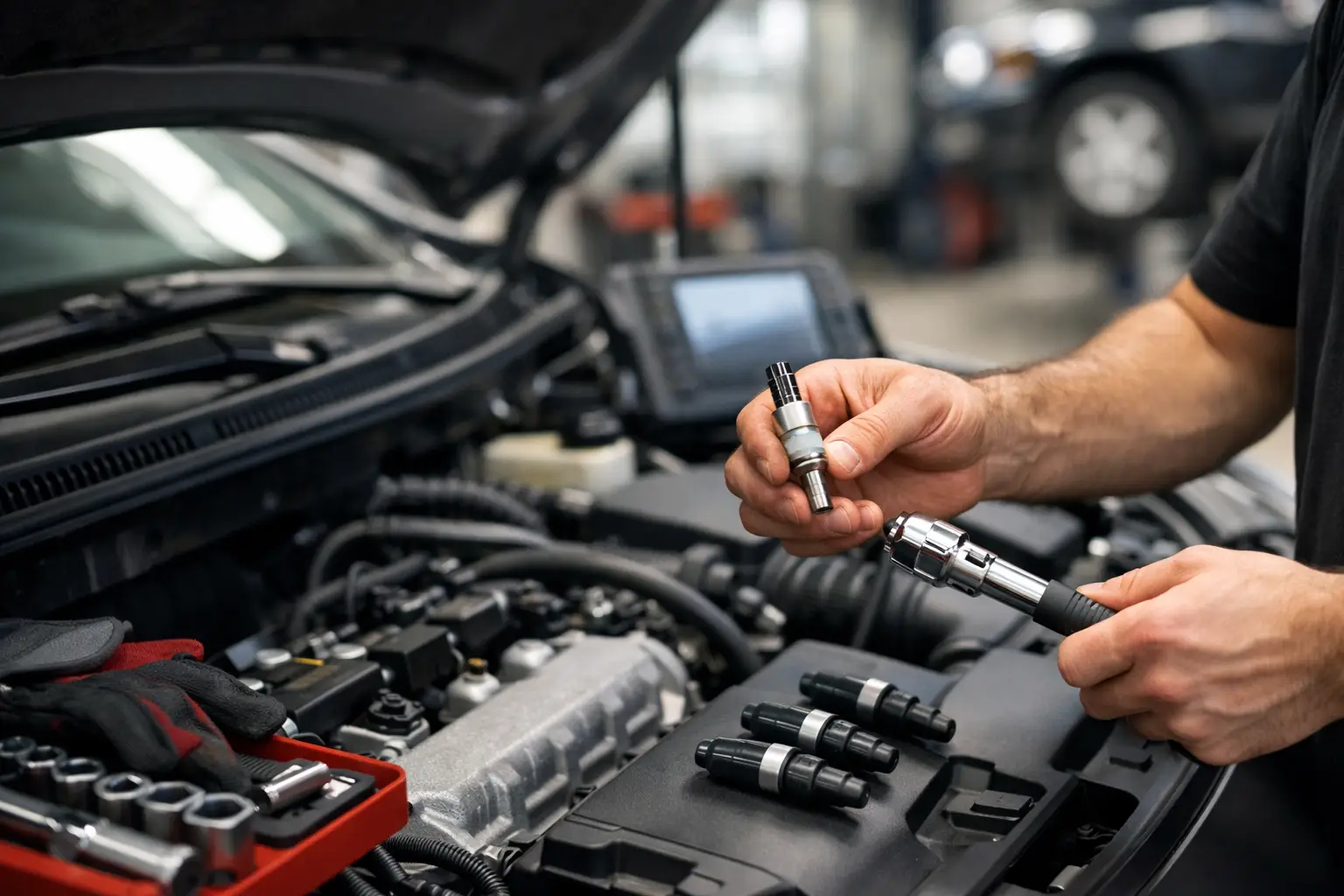
Spark plugs are small parts with a major job: they ignite the air-fuel mixture in each cylinder. As plugs wear, the gap can increase and the spark can become less consistent. The result may be rough running, poor acceleration, hard starts, reduced fuel economy, or a misfire.
Replacing spark plugs at the recommended interval helps protect ignition coils and supports smooth engine performance. On some engines, plugs are easy to access. On others, they are located beneath intake components or require more labor. That is one reason tune-up prices vary by vehicle. The cheapest quote is not always the best value if it leaves out important inspection steps or uses low-quality parts.
A technician should also inspect the ignition system when spark plugs are replaced. If an ignition coil is weak or a plug well has oil contamination, simply installing new plugs may not solve the underlying problem. Precision diagnostics provide clear answers and help prevent repeat visits.
Tune-Ups Are Not a Substitute for Other Maintenance
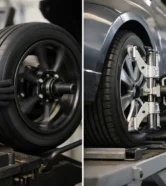
A tune-up supports engine performance, but it does not replace every maintenance need. Your brakes, tires, suspension, alignment, cooling system, and transmission require their own inspections and services. A car can run smoothly while still having worn brake pads, an alignment issue, or tires that are unsafe in wet weather.
This is why a complete maintenance visit should include a general safety check. Tire pressure and tread condition affect fuel economy, handling, and stopping distance. Brake wear should be assessed before noise or vibration develops. A weak battery may not affect engine performance until the first cold morning when the vehicle will not start.
For drivers who put on high mileage, combining a tune-up inspection with an oil change or seasonal vehicle check can be efficient. It gives the technician a broader view of the vehicle and lets you plan upcoming maintenance rather than being surprised by it.
What Honest Tune-Up Recommendations Look Like
Good automotive service is specific. Instead of hearing that you need everything, you should receive an explanation of what was found, why it matters, and how soon it should be addressed. Ask whether the recommendation comes from the manufacturer schedule, visible wear, a test result, or a diagnostic code.
Some services are preventive, while others respond to a confirmed problem. For example, replacing due spark plugs is preventive maintenance. Diagnosing a misfire is repair work. Fuel system cleaning may be helpful in some cases, but it is not automatically necessary for every vehicle at every visit. The right recommendation depends on performance symptoms, mileage, fuel quality, and inspection findings.
At JAK Tire Service Corp, the goal is to keep maintenance practical: professional mechanics, quality parts, fair pricing, and work that makes a real difference in how safely and reliably your vehicle drives. If a repair can wait, you should be told. If a problem could leave you stranded or create a safety concern, you should understand why it deserves prompt attention.
Getting the Most From Your Appointment
Bring any maintenance records you have, especially if the vehicle is new to you. Let the service advisor know about warning lights, noises, changes in fuel economy, or recent starting problems. Mention whether the issue occurs when the engine is cold, after a long drive, in rain, or during acceleration.
After service, keep the invoice and note the mileage. A clear record makes future maintenance easier to plan and helps protect your vehicle’s resale value. More importantly, it gives you a reliable reference when a new symptom appears.
A well-timed tune-up is not about chasing unnecessary services. It is about catching wear before it becomes a breakdown, keeping your engine responsive, and leaving each drive with more confidence than you had when you arrived.