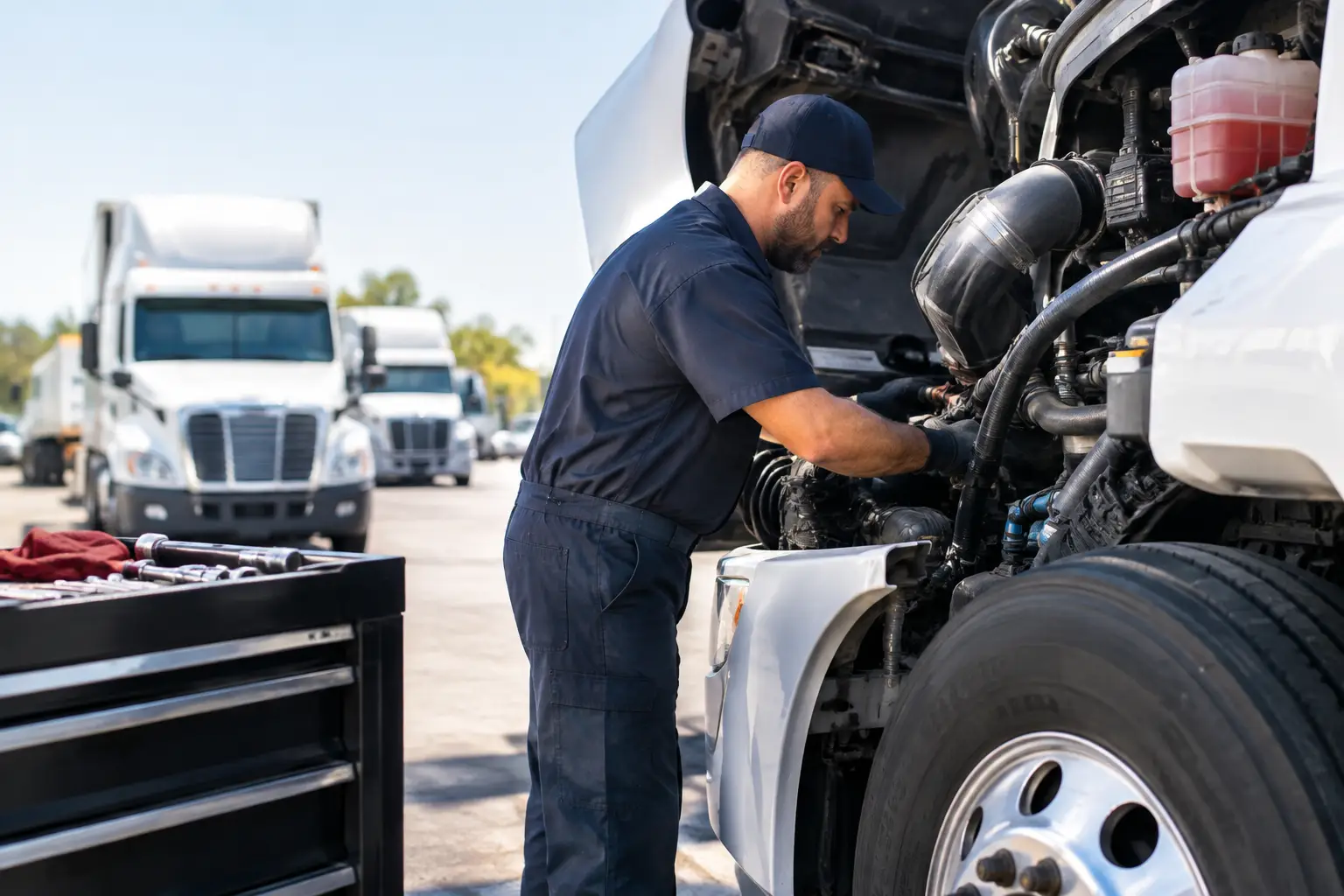
A delivery van with a brake warning light is not just one vehicle needing attention. It can mean missed stops, a driver without a route, delayed customer commitments, and pressure on every other vehicle in the lineup. Strong fleet repair turnaround is about getting vehicles back on the road quickly, but never by guessing at the problem or cutting corners on safety.
For small business fleets, service vehicles, delivery vans, rideshare vehicles, and work trucks, the goal is simple: limit downtime, control repair costs, and keep drivers safe. Reaching that goal takes more than a fast oil change. It requires accurate diagnostics, clear communication, parts planning, and maintenance that catches problems before they become breakdowns.
What Fleet Repair Turnaround Really Means
Turnaround is the time between a vehicle arriving with a concern and returning to service ready to work. That includes the inspection, diagnosis, estimate approval, parts availability, repair, quality check, and final communication with the fleet manager or driver.
The shortest turnaround is not automatically the best one. A shop can return a vehicle quickly by addressing the obvious symptom while missing the cause. For example, replacing worn brake pads without checking seized calipers, rotor condition, or brake fluid issues may lead to another visit sooner than expected. The better standard is efficient, complete work that solves the right problem the first time.
For fleet managers, that difference matters. A dependable repair process reduces repeat visits, protects maintenance budgets, and gives drivers confidence in the vehicles they use every day.
Start With Clear Information From the Driver
A good repair process begins before the vehicle enters the service bay. Drivers should report warning lights, noises, vibrations, pulling, hard starts, fluid leaks, changes in braking, and shifts in fuel economy as soon as they notice them. Waiting until a vehicle is barely driveable usually turns a smaller repair into a longer outage.
Specific details help technicians diagnose concerns faster. Instead of reporting that a truck “sounds bad,” a driver can note whether the noise occurs during braking, at highway speed, over bumps, while turning, or only during a cold start. Photos of warning lights and a brief description of when the issue started can also prevent lost time.
Fleet managers can make this easier with a simple driver check-in routine at the beginning or end of each shift. It does not need to be complicated. The objective is to identify safety concerns early and schedule non-urgent repairs before they interrupt a busy workday.
Accurate Diagnostics Prevent Delays and Repeat Repairs
Fast service depends on precision diagnostics. Modern fleet vehicles rely on interconnected systems, so one warning light can have several possible causes. An engine code may point to a sensor, but the underlying issue could involve wiring, air flow, fuel delivery, a vacuum leak, or a mechanical problem.
A professional inspection uses the vehicle’s symptoms, scan data, visual checks, test results, and technician experience to narrow down the actual cause. This takes more care than replacing the first part named by a code reader, but it saves time and money when the repair is complete.
The same principle applies to brakes, suspension, tires, alignments, batteries, and transmission concerns. Uneven tire wear may be caused by incorrect tire pressure, worn suspension parts, an alignment issue, or a combination of factors. Fixing only one piece may not protect the tires or restore stable handling.
When a repair center explains the findings in plain language, fleet managers can make decisions confidently. Clear answers should include what is wrong, what is urgent, what can be monitored, how the repair affects safe operation, and what the expected timeline looks like.
Keep Approval Moving Without Losing Control
Waiting for approval can add unnecessary days to a repair. At the same time, businesses need cost control and should never feel pressured into work they do not understand. The answer is a clear approval process built around accurate estimates and agreed spending limits.
For routine maintenance and common repairs, fleet managers may set a pre-approved dollar amount or authorize specific services in advance. Oil changes, tire rotations, brake inspections, battery tests, and scheduled maintenance can often move forward without repeated back-and-forth communication. Larger repairs should still receive a clear estimate and explanation before work begins.
It also helps to identify one primary contact and one backup contact for repair authorization. If the fleet manager is in a meeting or out of town, a vehicle should not sit waiting for a simple decision. Good communication protects both turnaround time and accountability.
Parts Planning Makes a Real Difference
Parts availability is one of the most common reasons repairs take longer than expected. Common maintenance items are usually easy to source, but model-specific sensors, commercial vehicle components, specialty tires, and certain suspension or transmission parts may require additional time.
The best way to avoid surprise delays is to plan around the vehicles in your fleet. Keep an up-to-date list of vehicle year, make, model, engine, VIN, tire size, and service history. This information helps the repair shop confirm the correct parts quickly and avoid ordering errors.
For vehicles that cover high mileage or demanding routes, consider maintaining a small supply of approved wear items where practical. Depending on the fleet, that may include seasonal tires, filters, wiper blades, bulbs, or frequently used brake components. This is not necessary for every business, and stocking too much can tie up cash. It makes the most sense when a specific part has a predictable replacement cycle or long supply time.
Preventive Maintenance Is the Fastest Repair Strategy
The most effective way to improve fleet repair turnaround is to reduce emergency repairs in the first place. Preventive maintenance keeps vehicles on a predictable service schedule, where work can be completed around routes and staffing needs instead of during an unplanned breakdown.
A useful maintenance plan should account for mileage, engine hours when applicable, vehicle age, load weight, driving conditions, and manufacturer recommendations. A delivery van making constant stops faces different brake, tire, and battery demands than a highway-driven sales vehicle. A work truck carrying tools or equipment may need closer attention to suspension, steering, and tire condition.
A practical fleet maintenance plan commonly includes these service areas:
- Oil and filter changes based on vehicle use and manufacturer intervals
- Tire inspections, rotations, pressure checks, and wheel alignments
- Brake inspections before wear becomes a safety concern
- Battery and charging-system tests before extreme weather
- Fluid checks, belt inspections, and cooling-system service
- Suspension, steering, and underbody checks for trucks and high-mileage vehicles
These inspections are not about selling unnecessary work. They are about finding measurable wear early, planning repairs at a convenient time, and avoiding the higher cost of roadside failures, towing, missed work, or secondary vehicle damage.
Prioritize Safety-Critical Repairs First
Not every repair has the same urgency. A cracked mirror or a worn interior switch may be inconvenient, while brake problems, steering play, overheating, damaged tires, or a failing battery can quickly affect safe operation. Fleet managers need a repair partner who can distinguish between “repair now,” “schedule soon,” and “monitor for now.”
This prioritization helps protect the budget without compromising safety. If a vehicle needs both front brakes and a minor non-safety-related repair, the brake work should not wait. If tire tread is low but still within a safe range, tire replacement may be scheduled before the next heavy route or seasonal weather change rather than handled as an emergency.
Professional technicians should also inspect related components when performing safety work. A brake repair is an opportunity to check rotors, calipers, hoses, fluid condition, and tire wear. A tire replacement may reveal an alignment or suspension issue that could shorten the life of the new tires. That attention to detail supports reliable service instead of repeat downtime.
Build a Service Relationship, Not a Last-Minute Fix
Fleet repairs move faster when the shop already understands the vehicles, service history, operating needs, and approval process. A repair center that sees the same fleet regularly can spot patterns, anticipate maintenance needs, and provide better scheduling guidance.
At JAK Tire Service Corp, that means treating every vehicle as part of your business operation, not just another appointment. Honest recommendations, professional mechanics, and clear repair updates help fleet managers make practical decisions without unnecessary complexity.
Keep service records organized and review them periodically. If several vehicles are wearing through brakes unusually fast, developing alignment concerns, or needing frequent battery replacements, there may be an operational cause worth addressing. Route conditions, load practices, driver habits, idling time, and maintenance intervals can all affect repair frequency.
A reliable fleet does not happen by chance. Report concerns early, approve clearly, maintain vehicles on schedule, and choose repairs that solve the real problem. That approach keeps downtime shorter, drivers safer, and your work moving when it matters most.