

A delivery van that misses one route can quickly become a customer-service problem. A truck that arrives with worn brakes or damaged tires can become a safety problem. This commercial fleet maintenance guide is built around a simple goal: keep every vehicle safe, dependable, and ready to earn.
For fleet managers, preventive maintenance is not just about following a calendar. It is a practical way to reduce roadside breakdowns, avoid avoidable repair bills, protect drivers, and get more useful life from every vehicle. The right plan also gives you clearer answers when a repair is needed, instead of leaving decisions until a vehicle is already out of service.
Start With a Fleet Maintenance Schedule That Fits the Work
A fleet service plan should reflect how each vehicle is used. A cargo van making frequent city stops wears brakes, tires, and suspension components differently than a highway-driven pickup. An SUV used for ride-share service may idle for long periods, while a work truck may regularly carry tools, equipment, or heavy loads.
Start with the manufacturer’s maintenance intervals, then adjust them for real operating conditions. Short trips, stop-and-go traffic, heavy loads, extended idling, harsh winter weather, and rough roads can all justify more frequent inspections. The goal is not to service vehicles unnecessarily. It is to catch normal wear before it becomes downtime.
Use mileage, engine hours when available, and time on the road to schedule work. Oil changes, tire rotations, brake inspections, fluid checks, and safety inspections should be planned in advance whenever possible. A vehicle that is already in the shop for an oil service is also a good opportunity to inspect tires, brakes, lights, wipers, and visible leaks.
Consistency matters more than a complicated system. A simple record for each vehicle should show its service date, mileage, work performed, recommended follow-up, and any parts replaced. That history helps identify repeat issues and makes repair decisions more confident.
Daily Driver Checks Protect the Entire Fleet
Drivers are often the first people to notice a vehicle problem. A short pre-trip inspection can prevent a minor issue from turning into a missed shift, a roadside call, or an unsafe drive.
Before leaving, drivers should check the tires for low pressure, cuts, bulges, exposed cords, or visible objects in the tread. They should confirm that headlights, brake lights, turn signals, and windshield wipers are working. A quick look under the vehicle can reveal fresh fluid leaks, while a walk-around can identify body damage that should be documented.
Drivers should also report changes in how the vehicle feels. Pulling to one side, steering-wheel vibration, a brake pedal that feels soft, grinding sounds, warning lights, difficult starting, or unusual engine noise all deserve prompt attention. Encourage early reporting without blame. Waiting for a noise to get louder rarely lowers the repair cost.
A practical reporting process makes a difference. Give drivers one clear place to record concerns, whether that is a paper inspection sheet, a fleet app, or a shared digital form. The person reviewing reports should decide quickly whether the vehicle can stay in service, needs an appointment soon, or should be removed from the road immediately.
Tires, Brakes, and Alignment Deserve Close Attention
Tires affect safety, fuel use, handling, and the ability to keep a schedule. Underinflated tires can run hotter, wear faster, and reduce fuel economy. Overinflation can reduce traction and create uneven wear. Check tire pressure when tires are cold and use the pressure listed for the vehicle and load, not the maximum pressure printed on the tire sidewall.
Tread depth matters, but tread wear patterns also tell a story. Wear on one edge may point to an alignment issue. Cupping can suggest worn suspension parts or poor balance. Uneven wear across multiple tires may come from incorrect inflation, heavy loads, or inconsistent rotations. Replacing tires without correcting the underlying cause can waste part of your tire budget.
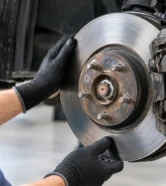
Brake service deserves the same proactive approach. City-driven fleet vehicles can wear brake pads and rotors quickly because they stop repeatedly while carrying cargo or passengers. Brake inspections should look beyond pad thickness. Technicians should check rotor condition, calipers, brake hoses, fluid condition, parking brake operation, and signs of uneven braking.
Wheel alignment is not just a comfort issue. If a vehicle pulls, the steering wheel sits off-center, or tire wear is uneven, an alignment inspection can help protect tire life and improve driver control. For vehicles working across North York and the GTA, potholes, curb strikes, and winter road conditions make alignment checks especially worthwhile.
Do Not Treat Warning Lights as a Scheduling Detail
A warning light is a message, not a diagnosis. The check engine light may involve something minor, but it can also signal a problem affecting fuel economy, emissions equipment, engine performance, or long-term reliability. The same applies to battery, oil pressure, temperature, brake, and tire-pressure warnings.
When a warning light appears, record the vehicle mileage, symptoms, and conditions when the light came on. Was the engine running rough? Did the vehicle lose power? Did the warning appear after fueling or after a cold start? Clear details help professional mechanics diagnose the issue faster.
Some warnings require immediate action. A flashing check engine light, low oil pressure warning, overheating warning, brake warning, or major loss of power should not be ignored until the end of a route. Stop safely, follow your company procedure, and arrange an inspection. Keeping a vehicle moving through a serious fault can turn a manageable repair into engine or transmission damage.
Plan for Fluids, Batteries, and Seasonal Demands
Oil changes are a foundation of fleet care, but they are only one part of the picture. Engine oil, coolant, brake fluid, transmission fluid, power steering fluid where applicable, and windshield washer fluid all support safe operation. Leaks, contaminated fluid, or low fluid levels need a reason identified, not simply topped off and forgotten.
Battery performance also deserves regular testing. A battery can appear fine until cold weather, frequent short trips, or high accessory use exposes a weak charge. Test batteries before the demanding season rather than waiting for a no-start situation in a parking lot or at a job site. Check terminals and cables for corrosion, loose connections, and damage.
Seasonal preparation should be scheduled before the weather changes. In areas with snow and freezing temperatures, inspect tire condition early, confirm washer fluid is winter-rated, check wiper blades, test the heating and defrost system, and make sure each vehicle carries the supplies your drivers may need. Summer brings different concerns: air conditioning performance, coolant condition, tire pressure changes, and heat-related battery stress.
Use Repair Data to Make Better Fleet Decisions
A commercial fleet maintenance guide should help you decide when to repair and when to replace. That decision depends on more than the price of the current repair. Consider recurring breakdowns, lost work time, vehicle age, fuel use, safety concerns, parts availability, and the reliability your customers expect.
Review each vehicle’s history every few months. If one unit repeatedly needs the same repair, investigate the root cause. If several vehicles show similar tire wear or brake issues, look for a pattern in routes, loads, driver habits, or service practices. Good records turn maintenance from a series of emergencies into a manageable operating cost.
It also helps to work with a repair shop that communicates clearly. Ask for inspection findings in plain language, options when they exist, and an honest explanation of what needs attention now versus what can be monitored. Fair pricing matters, but so does accurate work the first time. A rushed guess can cost more than a proper diagnosis.
Build a Service Partnership, Not Just a Repair Contact
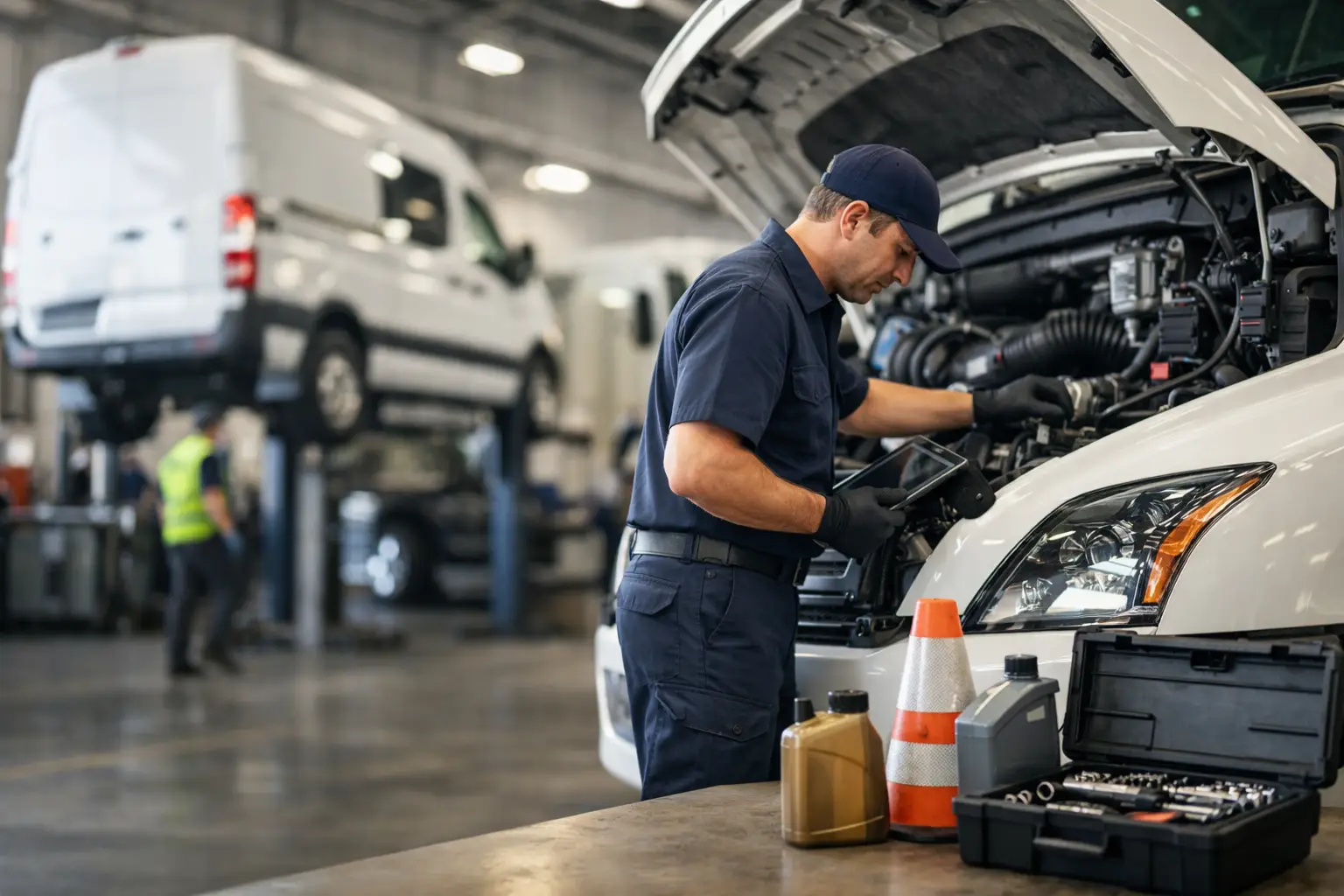
The best time to find a reliable fleet service provider is before a vehicle breaks down. Look for certified technicians who can handle routine maintenance, tires, wheel alignments, brakes, diagnostics, batteries, suspension, and safety concerns in one place. A shop familiar with your vehicles can spot trends earlier and help schedule work around your operating hours.
JAK Tire Service Corp helps commercial drivers and fleet managers keep vehicles road-ready with clear recommendations, precision inspections, and professional repairs. Whether you manage a few vehicles or a growing fleet, planned service gives you more control over costs and fewer surprises on the road.
A well-maintained fleet is not accident-proof or breakdown-proof. It is, however, far more prepared. Make inspections routine, act on driver reports early, and treat every service visit as a chance to protect the next route, the next customer, and the person behind the wheel.