

A work van with a brake warning light cannot wait until the weekend. A delivery truck with uneven tire wear can turn one missed service into a roadside delay, a lost route, and an unhappy customer. GTA commercial vehicle servicing is about keeping those problems from interrupting your business in the first place.
For fleet managers, contractors, delivery drivers, and owner-operators, vehicle maintenance is not just another expense. It is a practical way to protect drivers, meet deadlines, control repair costs, and keep vehicles ready for the next job. The right repair shop should make that easier with clear recommendations, professional diagnostics, fair pricing, and service that respects your schedule.
Why Commercial Vehicles Need a Different Service Plan
Commercial vehicles often face harsher conditions than personal cars. They may carry tools, equipment, packages, or passengers every day. They spend long hours idling in traffic, making frequent stops, driving on construction sites, or traveling through winter slush and potholes. Even a well-built truck, cargo van, SUV, or passenger vehicle wears differently under that kind of use.
A maintenance schedule based only on mileage can miss the full picture. A van that drives short urban routes may accumulate more engine hours and brake wear than a vehicle that travels the same mileage on open highways. A loaded pickup may need closer attention to its suspension, tires, wheel alignment, and brakes. The best service interval depends on how the vehicle is used, what it carries, and the condition found during inspections.
That is why a dependable commercial service plan starts with the vehicle’s real working life. Professional mechanics should look for early wear, explain what needs attention now, and identify what can be monitored. That approach helps businesses avoid both unnecessary repairs and expensive surprises.
GTA Commercial Vehicle Servicing That Prevents Downtime
Preventive maintenance is usually faster and less costly than responding to a breakdown. An oil change is simple compared with repairing an engine damaged by neglected oil. Replacing worn brake pads early is more manageable than replacing pads, rotors, and damaged caliper components after metal-to-metal contact.
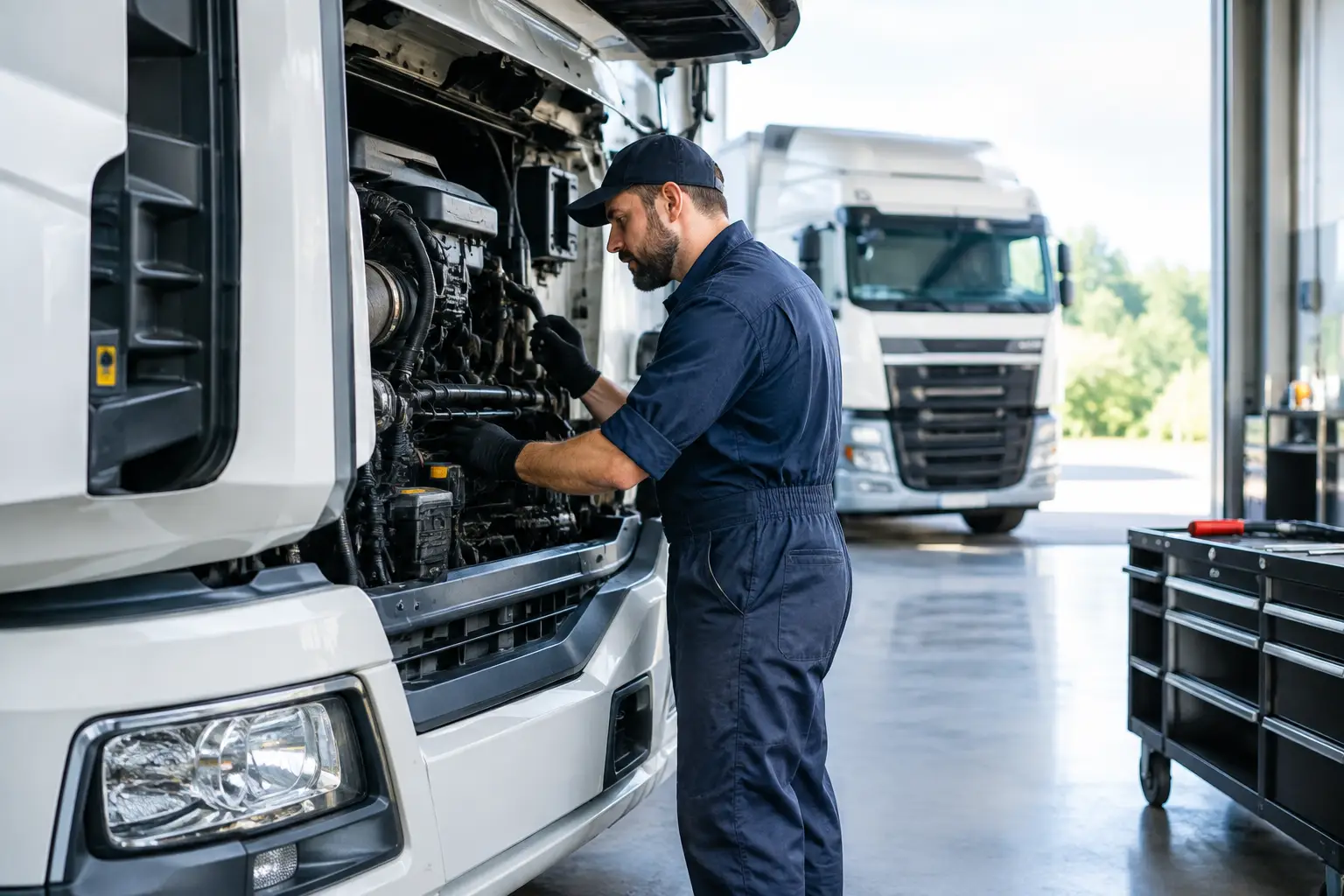
For commercial vehicles, routine appointments should cover more than a quick fluid change. A thorough inspection gives drivers and managers a clearer view of the vehicle’s safety, reliability, and upcoming needs. It also creates a useful service history, especially when several vehicles are on the road.
A practical maintenance visit may include these essential areas:
- Engine oil, filter, fluids, belts, hoses, and visible leaks
- Tire pressure, tread depth, uneven wear, damage, and wheel condition
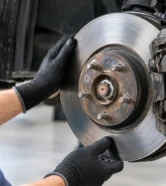
- Brake pads, rotors, calipers, brake fluid, and stopping performance
- Battery condition, charging system, starting performance, and exterior lights
- Suspension, steering, wheel alignment, wipers, HVAC, and warning lights
Not every vehicle needs every repair at every visit. What matters is getting an honest assessment based on inspection results, manufacturer recommendations, and how the vehicle is being used. Clear answers help you decide what to schedule immediately and what to budget for later.
Tires and Alignment Carry More Than Most Drivers Realize
Tires are one of the largest ongoing operating costs for many commercial vehicles. They also affect braking, handling, fuel use, driver comfort, and the safety of everyone sharing the road. Underinflation creates excess heat and premature wear. Overinflation can reduce the tire’s contact with the road. Uneven tread wear may point to alignment, suspension, or steering issues that will not fix themselves.
For a work truck or delivery van, check tire pressure when the tires are cold and follow the vehicle manufacturer’s load recommendations. If the vehicle regularly carries heavy equipment or cargo, make sure the tires have the correct load rating. A tire that is suitable for an empty vehicle may not be the right choice for its actual workload.
Wheel alignment is especially valuable after curb impacts, pothole strikes, suspension repairs, or signs of pulling. If a driver needs to keep correcting the steering wheel, notices a crooked steering wheel, or sees feathered tire tread, schedule an inspection. Precision alignment can extend tire life and make long shifts less tiring for the driver.
Brakes, Suspension, and Steering Need Early Attention
Commercial vehicles stop frequently, often while carrying weight. That puts steady demand on brake pads, rotors, calipers, and brake fluid. Squealing, grinding, vibration through the pedal, a soft brake pedal, or longer stopping distances are warning signs that deserve prompt service. Drivers should never wait for a scheduled oil change to report a braking concern.
Suspension and steering repairs matter just as much. Worn shocks, struts, ball joints, control arms, or tie rods can affect control, tire wear, and braking stability. A loaded vehicle that bounces excessively, clunks over bumps, wanders at highway speed, or feels unstable in turns needs a professional inspection. The issue may be minor, but guessing is not a sound maintenance strategy.
Diagnostics Save Time When Warning Lights Appear
A check engine light does not tell you exactly which part has failed. It signals that the vehicle’s system has detected a condition requiring attention. Replacing parts based on assumptions can waste time and money, particularly when the vehicle is needed for work.
Professional engine diagnostics identify stored trouble codes and, more importantly, help pinpoint the reason behind them. The cause could involve ignition, fuel delivery, emissions equipment, sensors, air intake, charging systems, or another related component. Accurate testing helps prevent repeat visits and gives the owner a clear repair recommendation.
The same principle applies to battery and charging problems. A vehicle that starts slowly may need a battery, but it could also have a weak alternator, corroded connections, or an electrical draw. Testing the full system is the better way to protect against another no-start situation during a busy morning.
Build a Maintenance Routine Drivers Will Actually Follow
A service plan only works when drivers can spot and report issues early. A short pre-trip walkaround can catch a low tire, cracked light lens, fluid leak, loose wheel cover, or body damage before the vehicle leaves. Encourage drivers to report changes in steering, braking, vibration, starting, shifting, or engine performance as soon as they notice them.
Keep the process simple. Drivers do not need to diagnose the vehicle. They only need to describe what they see, hear, smell, or feel, along with when it happens. For example, “vibration starts at 60 mph when the van is loaded” gives a technician more useful information than “it drives rough.”
Fleet managers can also reduce disruption by booking maintenance before the vehicle is overdue. Grouping routine services around lower-demand days may help, but do not delay a safety-related repair just to protect the schedule. A brake, tire, steering, or warning-light issue should move to the front of the line.
Choosing a Commercial Repair Shop
The lowest estimate is not always the lowest business cost. A rushed diagnosis, poor-quality part, or incomplete repair can send the vehicle back to the shop and take it off the road again. Look for a service center that communicates clearly, inspects the vehicle carefully, and explains repair priorities without pressure.
Ask whether the shop can handle routine maintenance as well as tires, alignment, brakes, suspension, batteries, air conditioning, transmission concerns, safety inspections, and engine diagnostics. Having one trusted team for regular service creates consistency and makes it easier to track each vehicle’s condition over time.
At JAK Tire Service Corp, commercial drivers and businesses can count on practical recommendations, skilled repairs, and service focused on keeping vehicles safe and road-ready. Whether you operate one work truck or a growing fleet across the GTA, addressing small concerns early gives your drivers more confidence and your business more control over the day ahead.