

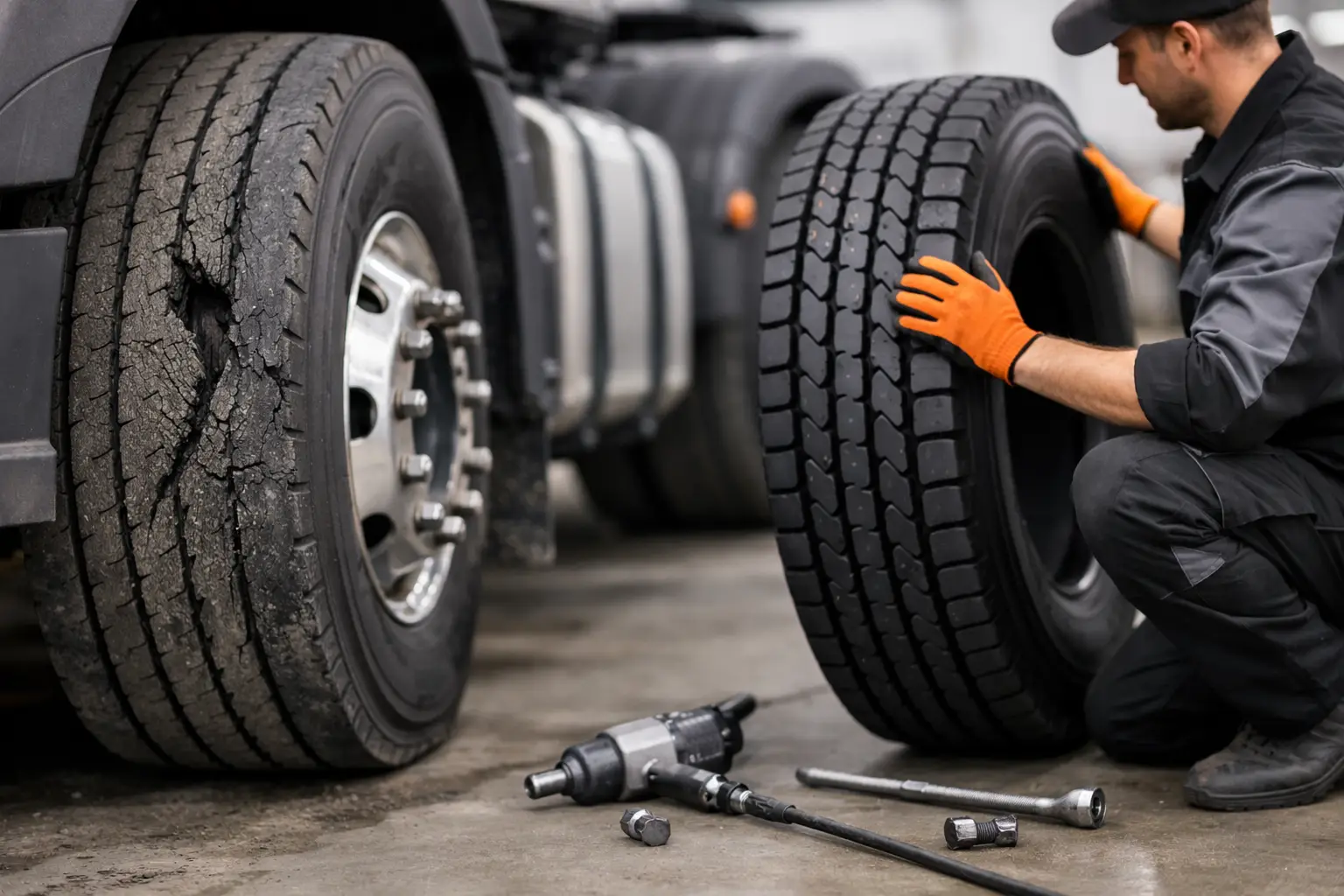
A heavy truck sitting on the shoulder with a flat tire is more than an inconvenience. It can mean missed deliveries, an unsafe roadside stop, damaged cargo schedules, and costly downtime. Heavy truck tire repair helps get commercial vehicles back on the road when the damage is repairable, but the right decision is not always a patch. Tire condition, damage location, air loss, load demands, and axle position all matter.
For fleet operators, delivery drivers, and truck owners, the safest approach is simple: have the tire inspected before driving any farther than necessary. A professional assessment can identify whether a proper repair is possible or whether replacement is the smarter investment.
When Heavy Truck Tire Repair Is a Safe Option
Not every puncture means a tire has reached the end of its service life. A small, clean puncture in the center area of the tread may be repairable if the tire has adequate remaining tread, has not been driven while flat, and has no internal damage.
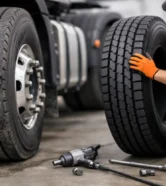
A proper repair starts with removing the tire from the wheel. This allows the technician to inspect the inside liner for heat damage, rubber debris, broken cords, or signs that the tire was operated with too little air pressure. Repairs made from the outside alone may slow a leak temporarily, but they do not provide the same level of confidence as an internal inspection and repair.
For an eligible tire, the repair typically uses an internal patch-and-plug method. The puncture channel is sealed, the inner liner is repaired, and the tire is checked for leaks before it goes back into service. This process takes more time than a quick plug, but it is designed to protect the tire’s structure and help prevent recurring air loss.
The decision also depends on the truck’s work. A lightly used work truck may have different requirements than a vehicle hauling equipment, making frequent highway runs, or operating under heavy loads. The higher the load and mileage demands, the less room there is for uncertainty.
Damage That Usually Calls for Tire Replacement
Some tire damage cannot be repaired safely, even if the tire still appears to hold air. Sidewalls flex constantly as the tire rolls. A puncture, cut, bulge, or separation in this area can weaken the structure and raise the risk of sudden failure.
Replacement is generally the safer choice when a tire has:
- A puncture in the sidewall or shoulder area
- A large cut, split, or exposed steel belts
- A visible bulge, blister, or separated tread
- Severe uneven wear or tread below a safe service level
- Internal damage from being driven flat or underinflated
- Multiple close-together punctures that compromise the casing
A tire can look acceptable from the outside after it has been driven low or flat, yet the internal sidewall may already be damaged by heat and flexing. That is why reinflating a flat tire and continuing the route without an inspection is a costly gamble. The tire may fail later, often when it is carrying weight or traveling at highway speed.
Why Tire Location Matters
On a heavy truck, tires do not all perform the same job. Steer axle tires play a direct role in control and braking stability. Drive and trailer tires handle different traction and load demands. A repair that might be considered for one position may not be appropriate for another, depending on the tire manufacturer guidance, vehicle use, and fleet policy.
Matching tires on the same axle also matters. Major differences in tread depth, tire size, or inflation pressure can affect handling and contribute to uneven wear. If one tire requires replacement, a technician can help determine whether the paired tire is still suitable or whether replacing both provides better stability and value.
What Causes Heavy Truck Tire Failures?
Road debris causes plenty of punctures, but many truck tire problems begin long before a nail or screw is found. Underinflation is one of the most common causes. A low tire flexes more, generates excess heat, wears faster, and becomes more vulnerable to internal failure.
Overloading creates similar stress. Even a quality tire has limits based on its size, load range, pressure, and application. Repeatedly exceeding those limits can lead to accelerated shoulder wear, heat buildup, and casing damage. The issue may show up as a blowout, but the underlying cause is often a pressure or load-management problem.
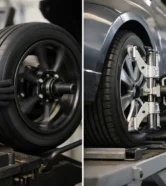
Wheel alignment and suspension condition are equally important. A truck that pulls to one side, has a crooked steering wheel, or shows irregular tread wear may have an alignment issue. Worn suspension parts can also allow excessive movement that wears tires unevenly. Replacing tires without correcting the mechanical cause can turn a preventable repair into a repeating expense.
Warning Signs to Address Before a Breakdown
Drivers should not wait for a complete flat to schedule an inspection. Air pressure that drops repeatedly, vibration at highway speeds, steering pull, or a thumping sound can all point to a tire or wheel concern. Uneven tread wear, cracked sidewalls, and objects embedded in the tread deserve attention as well.
A pre-trip walk-around is one of the most practical ways to reduce downtime. Check for visibly low tires, cuts, lodged debris, bulges, and irregular wear. If a tire has duals, inspect both tires. A low tire hidden beside a properly inflated one can go unnoticed while it overheats under load.
Pressure should be checked with a reliable gauge when tires are cold, using the vehicle and tire specifications as the reference. Visual checks are helpful, but they cannot accurately identify a tire that is moderately underinflated. For fleets, regular pressure records and scheduled inspections make it easier to spot a recurring leak or an axle that is wearing tires too quickly.
What to Do After a Truck Tire Goes Flat
Safety comes first. If possible, move the truck to a secure location away from traffic and avoid continuing to drive on the flat tire. Driving even a short distance on a deflated tire can damage the casing enough to eliminate repair as an option.
Do not place your hands near a damaged tire while it is still mounted and pressurized, especially if there is a bulge, deep sidewall damage, or visible separation. Heavy truck tires operate under substantial pressure. A qualified tire professional has the equipment and procedures needed to inspect, demount, repair, or replace the tire safely.
Once the immediate issue is handled, ask why the tire failed. Was it a simple road-hazard puncture? Was the pressure low? Is the tire worn unevenly? A clear answer helps prevent the next roadside stop and protects the tires that are still in service.
Keeping Truck Tires Road-Ready
The best tire repair strategy includes prevention. Maintain correct inflation, inspect tires before long routes, rotate or manage tire positions according to your maintenance plan, and address alignment or suspension concerns early. Keep load ratings in mind and avoid treating worn tires as disposable until they fail.
For commercial vehicles, tire service should be part of routine maintenance rather than a response to an emergency. Fast service matters, but accurate inspection matters more. A repair that protects the casing and a replacement recommendation based on real tire condition can save money over the life of the vehicle.
At JAK Tire Service Corp, our team focuses on clear answers, careful tire inspections, and practical recommendations for drivers and businesses. If a truck tire is losing air, wearing unevenly, or has suffered road damage, getting it checked promptly is the most reliable way to protect your route, your vehicle, and everyone sharing the road.