
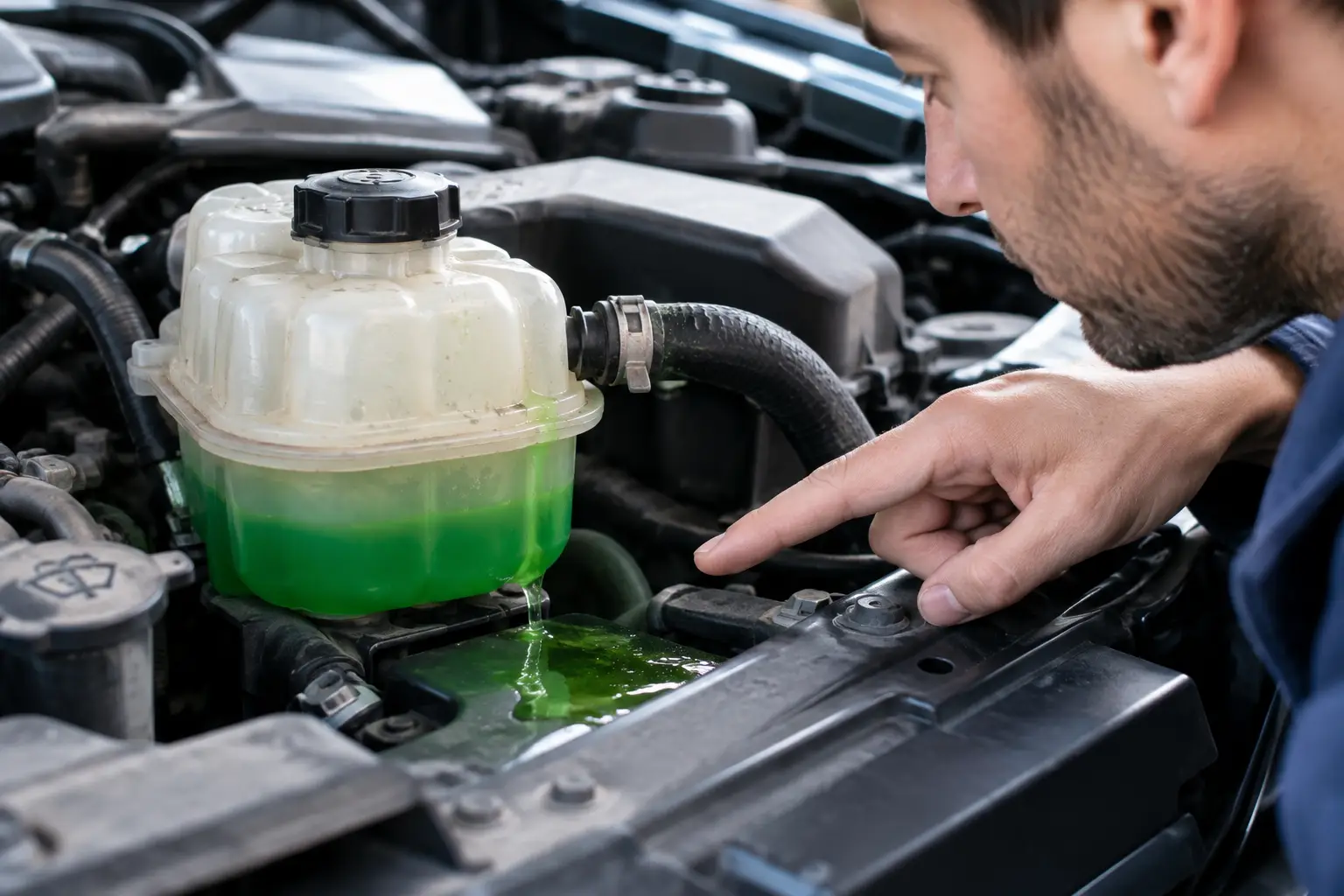
A small coolant leak can turn a normal commute into an overheating emergency faster than most drivers expect. Knowing how to spot coolant leaks early gives you time to schedule a repair, protect your engine, and avoid being stranded on the road.
Coolant, also called antifreeze, moves heat away from the engine and helps prevent freezing in cold weather. When the system loses coolant, it cannot control engine temperature as designed. The leak may be as simple as a loose hose clamp, or it may point to a failing water pump, radiator, or internal engine problem. The key is noticing the early signs and responding safely.
How to Spot Coolant Leaks Around Your Vehicle
The most obvious sign is a puddle under the vehicle after it has been parked. Coolant is often bright green, orange, pink, red, blue, or yellow, depending on the vehicle and coolant type. It can feel slightly slippery and may leave a sticky residue once it dries. Do not rely on color alone, though. Road dirt, age, and mixed fluids can make a coolant puddle look brown or nearly clear.
Coolant also has a sweet, chemical smell. If you notice that smell near the front of your vehicle, in the engine bay, or through the cabin vents, take it seriously. A leak may be dripping onto a hot engine component and evaporating before it reaches the ground.
A clear, odorless puddle under the passenger side of a vehicle on a warm day is often normal air-conditioning condensation. Coolant is different: it usually has color or residue, feels less like plain water, and has that distinct sweet smell. If you are unsure which fluid you are seeing, avoid touching it with bare hands and have it checked by a professional.
Look closely at the ground after the vehicle has sat overnight, then inspect the engine bay only after the engine has cooled completely. Common external leak areas include the radiator, upper and lower radiator hoses, hose connections, coolant reservoir, thermostat housing, water pump area, and heater hoses near the firewall. White, pink, green, or orange crusty deposits around these components can reveal a slow leak even when no fresh drip is visible.
Watch the Temperature Gauge and Coolant Level
Your temperature gauge is one of the most useful early warning tools in the vehicle. Under normal conditions, it should rise to its typical operating range and remain steady. A gauge that climbs higher than usual, fluctuates, or approaches the red zone may mean the cooling system is low on coolant or unable to circulate it properly.
Some newer vehicles display a temperature warning light or a dashboard message instead of a traditional gauge. Do not wait for steam from under the hood. If a warning appears, reduce engine load, pull over safely as soon as possible, and shut the engine off if the temperature continues rising.
Checking the coolant reservoir can also help, but only when the engine is cold and parked on level ground. Most reservoirs have low and full marks. If the level repeatedly falls below the low mark, coolant is going somewhere. Topping it up may get you through a short-term situation, but it does not fix the cause.
Never remove a radiator cap or coolant reservoir cap from a hot engine. The cooling system is pressurized, and hot coolant can spray out with enough force to cause serious burns. Let the vehicle cool completely before checking anything under the hood.
Other Signs a Coolant Leak May Be Hiding
Not every coolant leak leaves a puddle. Some only appear when the system is hot and pressurized, while others leak inside the vehicle or engine. Pay attention to steam, a sweet smell through the vents, or fogging on the inside of the windshield. These can point to a leaking heater core, which is located behind the dashboard and uses hot coolant to provide cabin heat.
A damp front passenger-side carpet is another possible heater-core warning sign. It is not always a coolant issue – a clogged sunroof drain or water leak can also wet the carpet – but a sweet odor or oily-feeling moisture makes coolant more likely.
You may also notice weak cabin heat. Low coolant can prevent enough hot coolant from reaching the heater core, especially at idle. This symptom alone does not confirm a leak, since a thermostat or blower issue can create similar problems, but it is worth checking alongside the coolant level and engine temperature.
White exhaust smoke that continues after the engine has fully warmed up, unexplained coolant loss, rough running, or a milky appearance under the oil cap can be signs of an internal coolant leak. These symptoms may indicate a failed head gasket or another engine sealing issue. Condensation can sometimes create light residue under an oil cap during short-trip driving, so it is not a diagnosis by itself. Still, it deserves prompt professional inspection when paired with coolant loss or overheating.
Common Sources of Coolant Leaks
Cooling systems age like every other part of a vehicle. Rubber hoses can crack, soften, or swell. Clamps can loosen. Plastic radiator tanks and coolant reservoirs can become brittle after years of heat cycles. A radiator may corrode, especially if the wrong coolant was used or maintenance was delayed.
Water pumps are another common source. Many have a small weep hole that releases coolant when the internal seal begins to fail. You may see dried residue or a drip near the belt-driven side of the engine. Because access varies widely by vehicle, a technician may need to remove covers or inspect from underneath to confirm the source.
It also matters which coolant is used. Modern vehicles may require a specific coolant formula, and mixing incompatible types can reduce corrosion protection or create deposits in the cooling system. If you need to add coolant in an emergency, use the manufacturer-recommended type when possible and arrange for a proper inspection soon after.
What to Do If You Find a Leak
A small leak does not always mean you need to stop driving immediately, but the decision depends on the coolant level, engine temperature, and severity of the leak. If the temperature remains normal and the reservoir is only slightly low, you may be able to drive a short distance to a repair shop after the engine cools and the coolant is brought to the correct level. Monitor the gauge continuously.
Stop driving and arrange a tow if the engine is overheating, steam is coming from under the hood, coolant is pouring out, or the low-coolant warning returns quickly after topping up. Continuing to drive an overheated engine can warp cylinder heads, damage gaskets, and turn a manageable repair into a major engine repair.
Do not pour cold water over a hot engine or radiator. Do not use stop-leak products unless a qualified technician specifically recommends one for your situation. These products can sometimes create temporary results, but they can also clog narrow passages in the radiator, heater core, or cooling system.
Keep pets and children away from any spilled coolant. Antifreeze can be highly toxic if swallowed, even in small amounts. Clean up drips safely and have larger spills handled properly.
Get a Clear Answer Before the Leak Gets Worse
Coolant leaks can be difficult to pinpoint because they may only show up under pressure or at operating temperature. A professional cooling-system pressure test can expose external leaks without guessing. In some cases, technicians may use UV dye, inspect the water pump and heater core, or test for combustion gases in the coolant to check for internal issues.
At JAK Tire Service, the goal is straightforward: find the source, explain what is needed clearly, and repair the problem before it puts your engine or safety at risk. A prompt inspection can often mean a hose, clamp, or reservoir repair instead of an overheating-related engine bill.
If you see a colored puddle, smell something sweet, or notice the temperature gauge creeping higher than normal, trust the warning. Addressing a coolant leak early is one of the simplest ways to keep your vehicle reliable, road-ready, and protected from avoidable damage.