

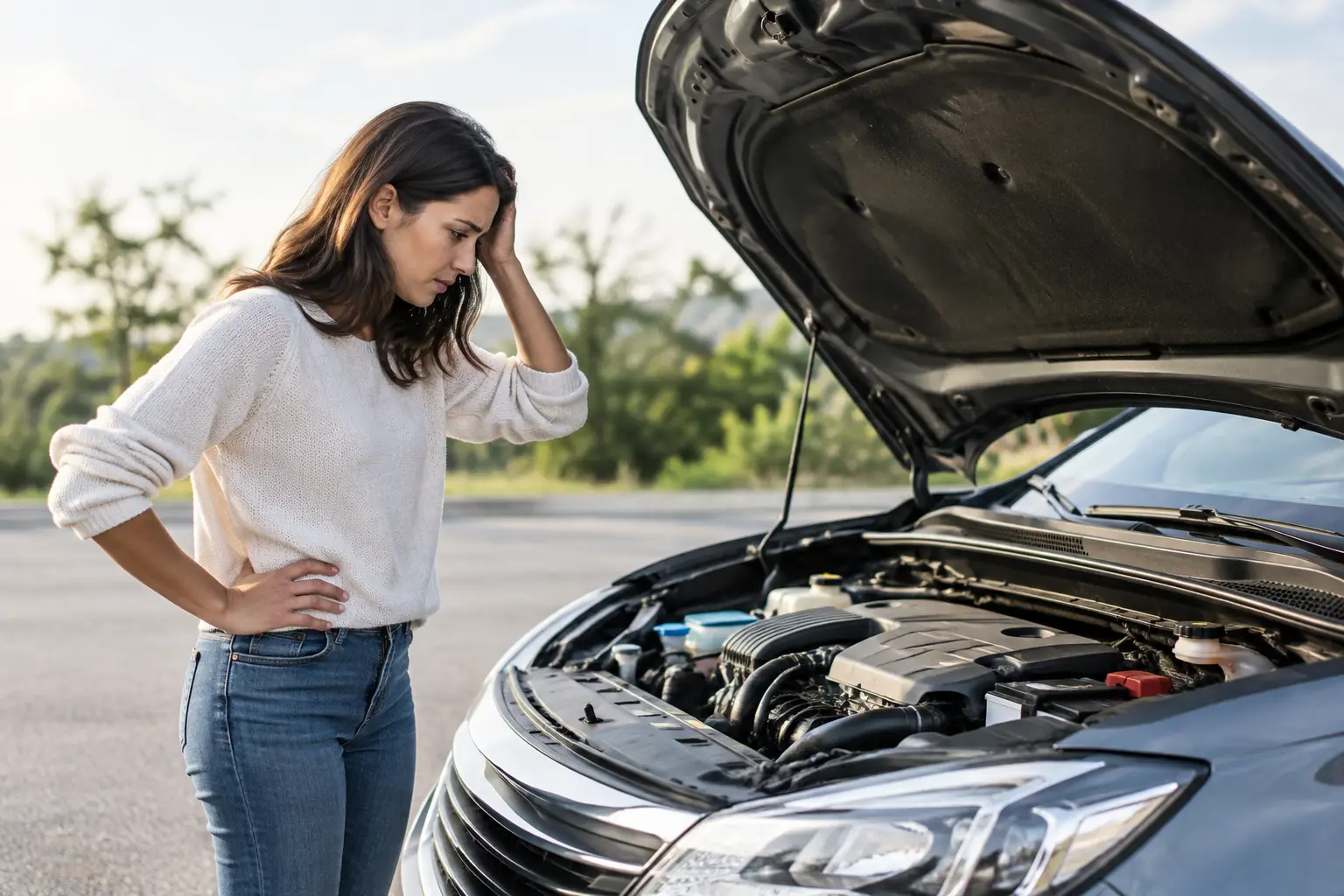
A stall at a red light can feel like a small inconvenience. A stall while merging onto a busy highway is a safety concern. If you are asking, “why is my car stalling,” the answer can range from a simple maintenance issue to an engine or electrical fault that needs prompt attention.
A vehicle may stall because it is not receiving the right balance of air, fuel, spark, or electrical power. Modern vehicles also rely on sensors and computers to manage that balance, so the cause is not always obvious from the driver’s seat. The good news is that a proper diagnostic inspection can usually identify the problem without replacing parts based on guesswork.
Why Is My Car Stalling at Stops or While Driving?
The timing of the stall gives useful clues. An engine that dies only at idle may have a different issue than one that loses power under acceleration or stalls after it has warmed up.
When a car stalls at stop signs, traffic lights, or in a drive-thru line, the engine may be unable to maintain a stable idle. Dirty throttle components, a vacuum leak, worn spark plugs, or fuel delivery problems are common possibilities. In some vehicles, a weak battery or charging issue can also become noticeable when the engine speed drops.
If the vehicle stalls while driving, take the concern more seriously. It could be related to fuel pressure, an intermittent electrical connection, a failing sensor, or a charging system problem. Steering and braking assistance may be reduced after the engine shuts off, making the vehicle harder to control. Pull over safely, turn on your hazard lights, and avoid continuing your trip until the cause is understood.
A stall that happens only when the engine is cold may improve after a few minutes of driving, but it still deserves attention. Cold-start stalling can point to ignition wear, air intake concerns, sensor readings, or a buildup in the throttle body. A vehicle that stalls only after warming up can indicate a component that fails as heat builds, such as a crankshaft position sensor, ignition coil, or fuel pump.
Common Causes of a Stalling Engine
Fuel delivery problems
Your engine needs a steady, correctly pressurized fuel supply. A clogged fuel filter, weak fuel pump, contaminated fuel, or failing fuel injector can interrupt that supply. You may notice hesitation, loss of power on hills, hard starting, or sputtering before the engine stalls.
Fuel-related issues are not always dramatic at first. A driver may notice that the vehicle takes longer to start in the morning or feels sluggish during acceleration. Addressing these symptoms early can help prevent an unexpected no-start situation later.
Dirty throttle body or air intake issues
The throttle body controls the amount of air entering the engine. Carbon buildup can interfere with airflow, especially at idle, when the engine needs precise adjustments to stay running. A dirty mass airflow sensor or a leak in an intake hose can create a similar problem by sending incorrect air information to the engine computer.
This is one reason a car can run reasonably well at higher speeds but stall when coming to a stop. The repair may be as straightforward as a professional cleaning and inspection, though damaged hoses or failed sensors need to be ruled out first.
Worn spark plugs, coils, or ignition components
Spark plugs ignite the fuel-air mixture inside the engine. When plugs are worn, coils are weak, or wiring is damaged, the engine can misfire and eventually stall. Some vehicles will show a flashing check engine light during a severe misfire. If that happens, avoid driving farther than necessary because unburned fuel can damage the catalytic converter.
Routine maintenance matters here. Spark plugs do not last forever, even if the vehicle still starts and drives. Following the manufacturer’s service interval helps maintain smoother acceleration, better fuel economy, and dependable starting.
Battery, alternator, or wiring faults
A running engine depends on the alternator to supply electrical power and recharge the battery. If the alternator is failing, the vehicle may start normally but stall once the battery’s stored power is depleted. Dim headlights, a battery warning light, slow power windows, and dashboard warning messages can all be signs of a charging problem.
Loose battery terminals, corroded connections, and damaged ground cables can also cause intermittent stalling. These issues can be frustrating because the vehicle may seem normal one day and fail the next. A battery and charging system test provides clearer answers than simply installing a new battery.
Failing engine sensors
Modern engines use sensors to monitor crankshaft speed, camshaft position, air intake, oxygen levels, temperature, and more. When a key sensor sends unreliable information, the computer may calculate the wrong fuel or ignition timing. The result can be rough idling, poor acceleration, hard starting, or stalling.
A check engine light often accompanies a sensor issue, but not always. Diagnostic trouble codes are helpful starting points, not automatic repair instructions. Skilled technicians confirm the code, test related systems, and look for wiring or mechanical problems before recommending a repair.
Vacuum leaks and mechanical concerns
Cracked vacuum lines, failing intake gaskets, and certain brake booster leaks can allow unmetered air into the engine. This can make the idle rough or cause the engine to die when you brake. Mechanical issues, including low engine compression or timing problems, are less common but can also lead to repeated stalling.
These concerns require more than a quick visual check. The right test depends on the symptoms, vehicle age, maintenance history, and whether warning lights or unusual noises are present.
What to Do When Your Car Stalls
Your first priority is staying in control. If the engine stalls in traffic, keep a firm grip on the steering wheel, guide the vehicle to a safe location, and turn on the hazard lights. Do not assume the vehicle will restart safely enough to continue driving, especially if it stalled at speed or multiple warning lights appeared.
Before restarting, look for obvious concerns such as an overheating temperature gauge, smoke, a strong fuel smell, or a red oil-pressure warning light. If any of these are present, do not keep cranking the engine. Arrange for a professional inspection or towing service instead.
If the vehicle restarts and seems normal, make note of what happened. Did it stall at idle? Were you accelerating, braking, turning, or using the air conditioner? Was the engine cold or fully warmed up? Did the check engine, battery, or oil light appear? These details help shorten diagnostic time and support a more accurate repair.
Avoid common shortcuts, such as repeatedly disconnecting the battery to clear a warning light or adding fuel-system products without knowing the problem. They can erase useful diagnostic information or delay a needed repair. Honest diagnostics begin with testing, not assumptions.
When a Stalling Car Needs Immediate Service
Schedule service soon for any recurring stall, even when the vehicle restarts. It is especially urgent if the problem occurs during highway driving, while turning, or in heavy traffic. You should also stop driving and seek help if you notice any of the following:
- A flashing check engine light, severe shaking, or a strong fuel odor
- A red oil-pressure or overheating warning light
- A battery warning light followed by dim lights or electrical failures
- Stalling combined with hard steering, reduced braking assistance, or loss of acceleration
For drivers who commute through North York and the GTA, an intermittent stall can quickly turn into a missed appointment, delayed delivery route, or unsafe roadside stop. A professional engine diagnostic service can test the fuel, ignition, air intake, electrical, and sensor systems in a logical order. That approach helps protect you from unnecessary parts replacement and gives you a clearer repair plan.
Can Regular Maintenance Prevent Stalling?
Not every stall is preventable, but routine maintenance reduces the risk. Oil changes, air filter checks, spark plug replacement, battery testing, and inspections of belts, hoses, and fluid levels all help identify small issues before they affect reliability. If your vehicle has been idling rough, using more fuel than usual, cranking slowly, or showing a check engine light, do not wait for a complete stall to book an inspection.
At JAK Tire Service Corp, clear diagnostics and practical recommendations come first. A stalling vehicle does not always need a major repair, but it does need an accurate answer. Getting it checked early helps keep your daily drive safer, smoother, and more dependable.